At the end of my short visit to Tasmania in December 2022, I managed to find and book a guided tour in a Little penguin colony in Low Head, north of Launceston.
I had never in my life seen a wild penguin before, so I was stoked to have this experience to visit the Little penguins in their colony with professional guides telling about their behavior. The Little penguin is formerly known as Fairy penguin, but they are the same species.
Table of contents
- The Little penguin (Eudyptula minor)
- Driving to Low Head, Tasmania
- Enjoying the beach in Low Head, Tasmania, before the Penguin Tour
- The guided tour to the Little penguin colony in Low Head in Tasmania (2022)
- Need to know about the Low Head Penguin Tour
- When is the best time to see Little Penguins in Tasmania?
- Where can I see Little penguins in Tasmania?
The Little penguin (Eudyptula minor)
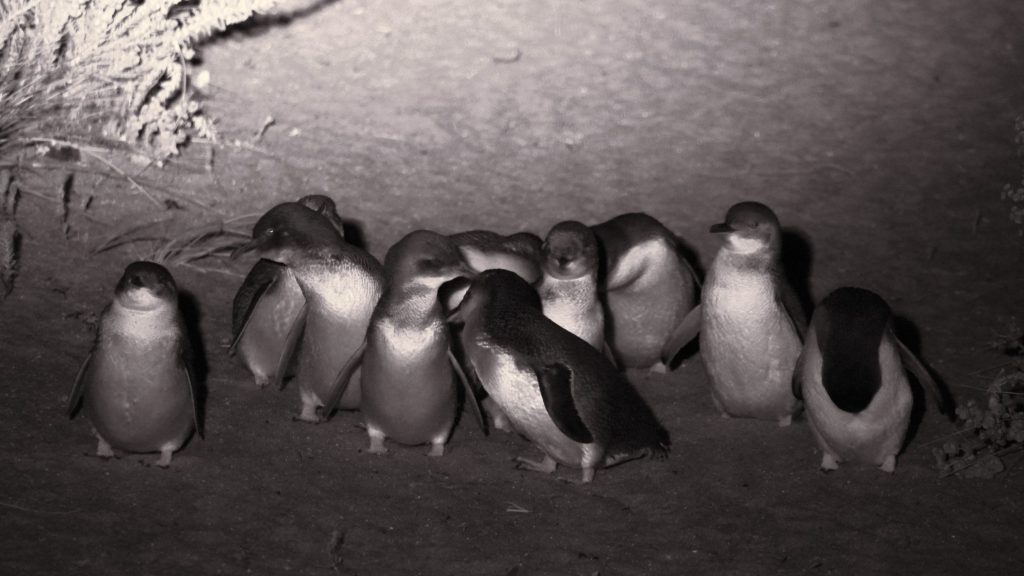
- What is special about the Little penguin is that it is the smallest of all the penguin species in the World.
- The Little penguin is only breeding in Australia and New Zealand.
- There are in total 18 species of penguin in the World, and 10 of them are threatened.
- The Little penguin is currently listed as ‘Least concern’, and the population is assessed as stable with app. 0.5 million mature birds (IUCN Redlist 2020).
- The Little penguin is only 30-40 cm tall and weighs around 1 kg.
- The Little penguins lifespan is 7-8 years. They start breeding at 2-3 years old and typically lay 1 or 2 eggs.
- The Little penguin is monogamous and usually mates for life.
- Their feathers can appear indigo blue, depending on the light.
- The Little penguin is the only genuinely nocturnal penguin species, meaning they only appear on land between dusk and dawn.
- The Little penguin is a generalist feeder, feeding in a large range of food items such as sardines, krill, cephalopods (e.g. squid), jellyfish. They can dive up to 72 meters below surface, but the preferred depth is 20-30 meters deep.
Driving to Low Head, Tasmania
It was the most hectic day I had laid out for myself. Waking up in Bruny Island, taking the ferry to Kettering, then driving half way up Mount Wellington close to Hobart, and finally driving all the way up to the North Coast of Tasmania with reduced speed between Hobart and Launceston. Phew! But after having been driving on the left side (the wrong side for me!) I was comfortable on the roads.
While I don’t recommend having such a tight schedule, sometimes it is the reality of traveling 🙂
Enjoying the beach in Low Head, Tasmania, before the Penguin Tour
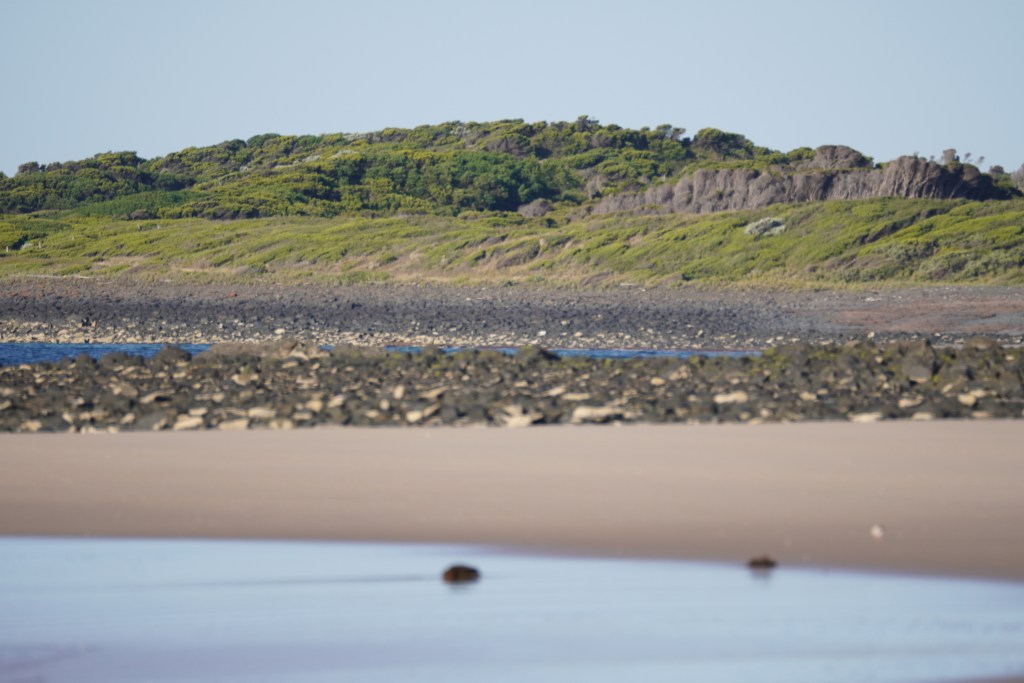
I arrived in Low head in the late afternoon and enjoyed my dinner while sitting on a calm beach. I went for a stroll along the beach, while a few people went into the ocean for a short dip. As tempting as it was to go for a dip myself, I was a chicken and decided to look for shorebirds along the beach.
A rare bird for southern Australia
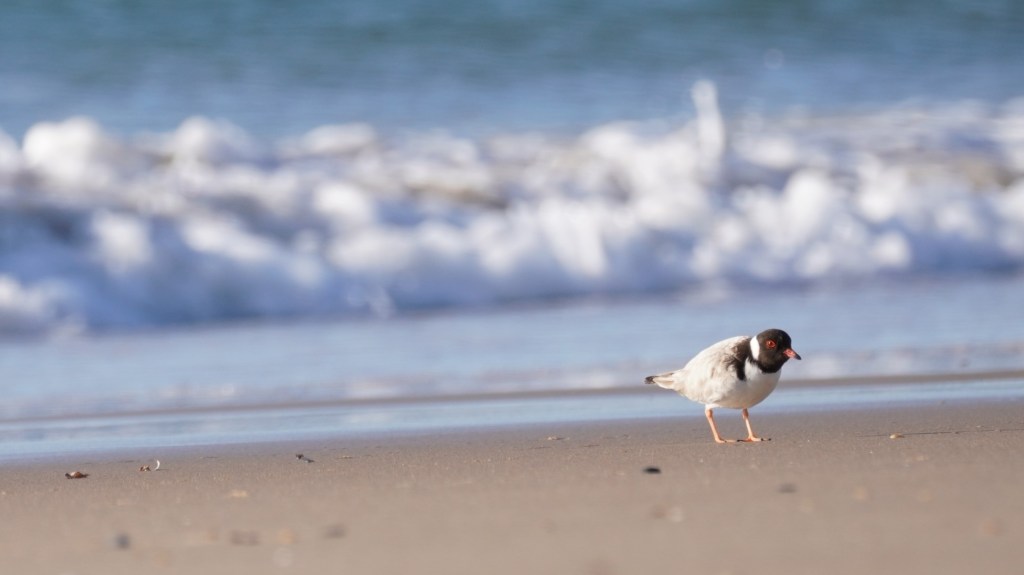
I had read that a shorebird species called a Hooded plover was an endemic bird (usually a ‘rare’ species with a restricted geographic distribution) only found in Southern Australia!
As you can see on the photo below, I managed to find a single individual – and indeed a very beautiful specimen. Shorebirds (also called ‘waders’, because they walk around in the shallow water), are usually not very timid, as they can be quite focused on searching for food.
Therefore, I managed to get close and went down on the sand to get ‘face to face’ with the bird. Look for yourself how it turned out 🙂
The guided tour to the Little penguin colony in Low Head in Tasmania (2022)
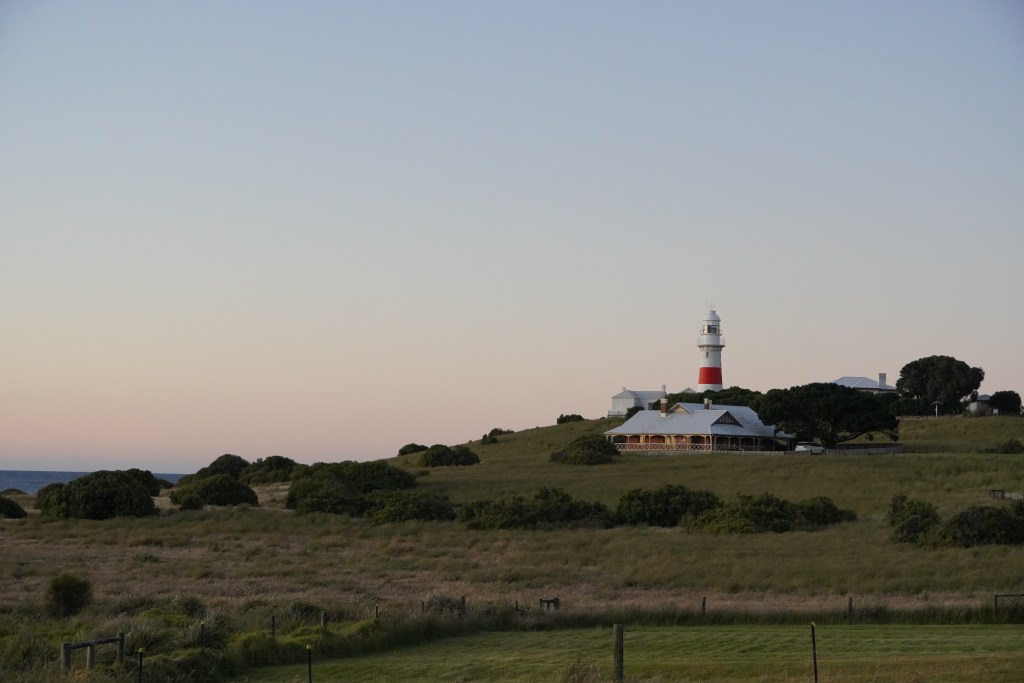
I arrived at the entrance to the penguin colony half an hour before the tour started.
Later the guides arrived and I purchased the ticket at a small shop (40 AUD) and got a bracelet. These bracelets divided the visitors into three groups of 10-15 people, each with one guide.
A wallaby kept us entertained, until the leader of the guides (Shirley) gave us the main introduction to the tour (read some of the info below under ‘Need to know’). Then our one guide took us down to the beach, where we waited for the penguins.
Expecting the penguins at the beach
The tour started with us waiting on the beach for the Little penguins to swim up ashore.
In the beginning there was nothing except the remnants of light after the passing of the sun.
Then, suddenly the small creatures appeared on the beach and started to waddle into these rocks, where they would begin their preening (e.g. cleaning and drying their feathers after being in the water all day).
While the penguins took their time to preen themselves, our guide told us facts about their breeding and behavior, keeping us well entertained.
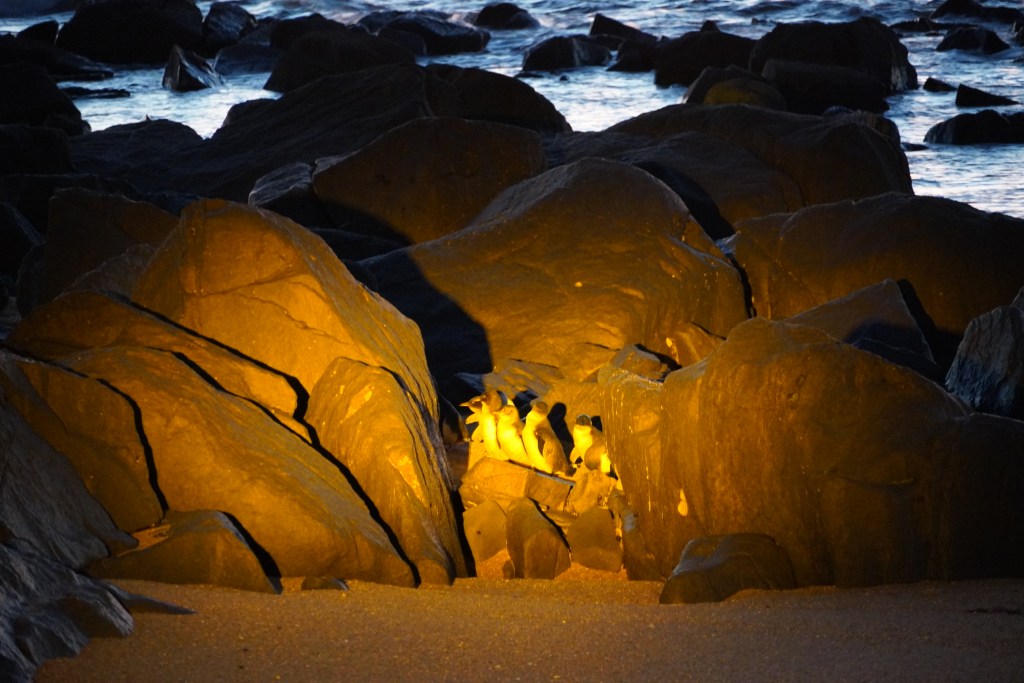
Waiting for the Little penguins in their breeding colony
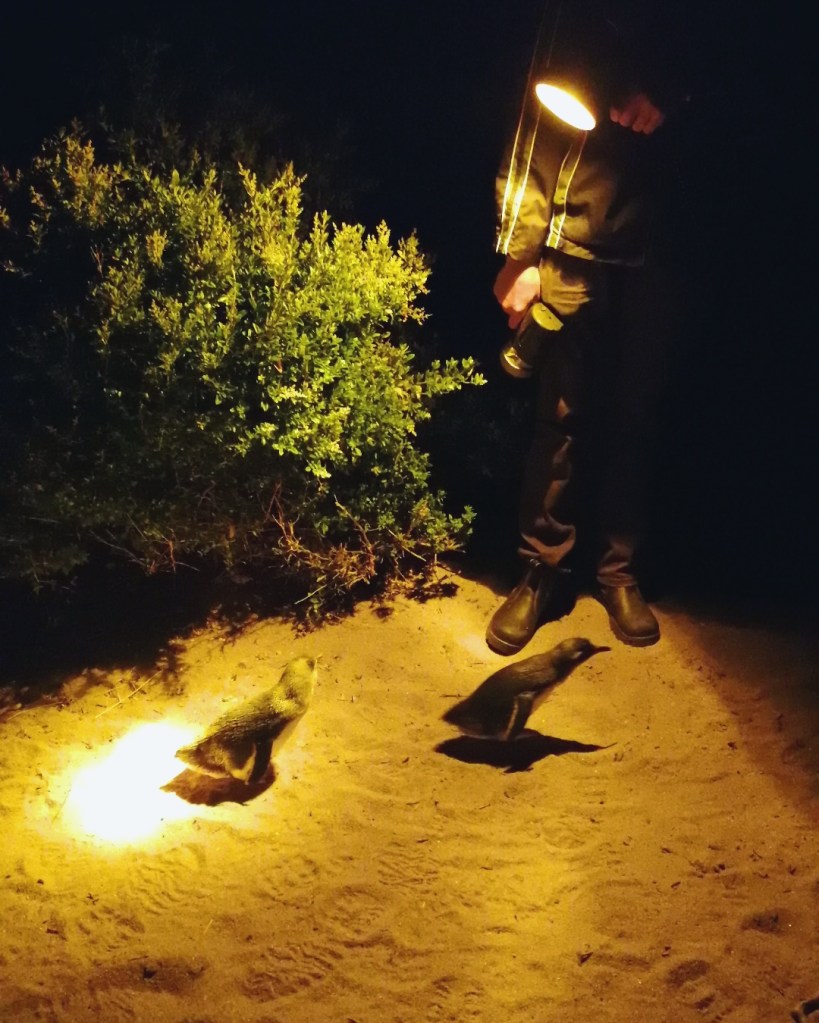
After seeing the penguins assemble among the rocks, we went ahead of them and stood amongst the bushes, waiting for the penguins to come up and feed their chicks.
Our guide shone a special yellow light on them, allowing us to see the penguins prepare for the final waddle into the breeding colony.
The penguins started to waddle amongst us while we could hear their chicks calling for food. One of the penguins even walked in between the legs of one of the other visitors on our tour!
It was such a special experience to visit the Little penguin colony, that I will forever treasure.
Need to know about the Low Head Penguin Tour
- The Low Head Penguin Tours takes place every night at sunset.
- The tour takes approximately 1 hour.
- The guided Little penguin tour costs 40 AUD for one adult.
- You cannot use flash, selfie sticks or tripods.
- You cannot use your own torch to shine on the penguins. This ruins their night vision.
- You will get very close to the penguins, but you cannot pet them (they are still wild animals!)
- It will be a very dark tour, but the guides have special yellow lights that protects the penguins’ night vision.
- Bring warm clothes, even in the summer, as it gets quite cold once the darkness settles.
- Dogs are not allowed in the penguin colony.
- Read more about the tour here
When is the best time to see Little Penguins in Tasmania?
While the penguins can be seen year round, the breeding season takes place from October to February. According to the Low Head Penguin Tours, there may be 100-200 penguins in the breeding colony from November to February.
Thus the best season to see little penguins in Low Head is during summer between November to February.
Where can I see Little penguins in Tasmania?
Besides Low Head, Northern Tasmania, the Little penguins can be found on a large number of locations in Southern Australia and New Zealand. See the distribution of Little penguin on eBird.
While you can see the Little penguin on a number locations, it will not be the same experience without a guide, and frankly you risk doing more harm to the penguins than you may think.
Visiting penguin colonies in general on your own not only put risks on the adult penguins, but also the chicks in the burrows.
It is not possible to enter the Little penguin colony in Low Head on your own, as the penguins are protected from humans and predators (dogs, cats, rats) behind a fence.
One public place you could visit the Little penguins during daytime is a wild sea bird colony on Bruny Island, Tasmania.
Read more about the Little penguin in Low Head here, about general ecology, population trends and the list of threats on IUCN, and see observations and more photographs here on eBird.
I hope you enjoyed reading, and that you will find the time to enjoy such a precious moment with these little creatures!
-Traveling Female Ornithologist

*None of the mentioned places or experiences in this post were sponsored.
© All photos are my own unless stated and may not be used without permission.

 Traveling Female Ornithologist
Pingback: 12 Years of Blogging on WordPress | Traveling Female Ornithologist