Spain: Visiting S’Albufera de Mallorca Natural Park for bird watching and photography and exploring walking routes
A birder’s perspective on visiting S’Albufera de Mallorca on Playa de Muro near Alcúdia from three trips to the Nature Reserve during spring season 2024.
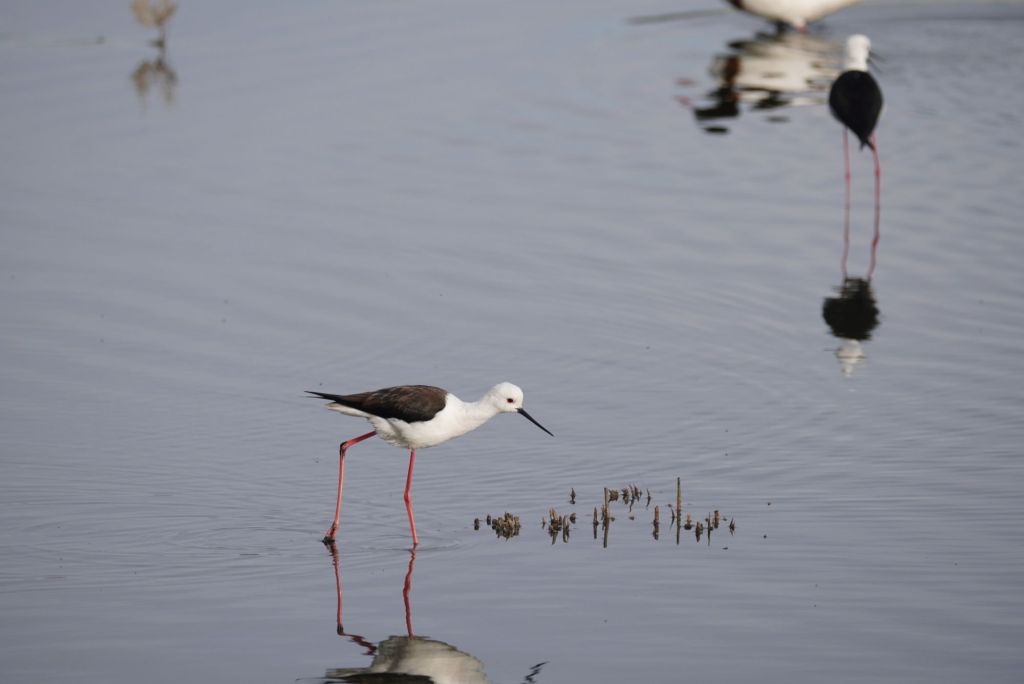
All the bird photos in this post are taken with my Sony a6400 camera and my 100-400mm Sigma contemporary lens. All other photos are taken with my Huawei mobile phone.
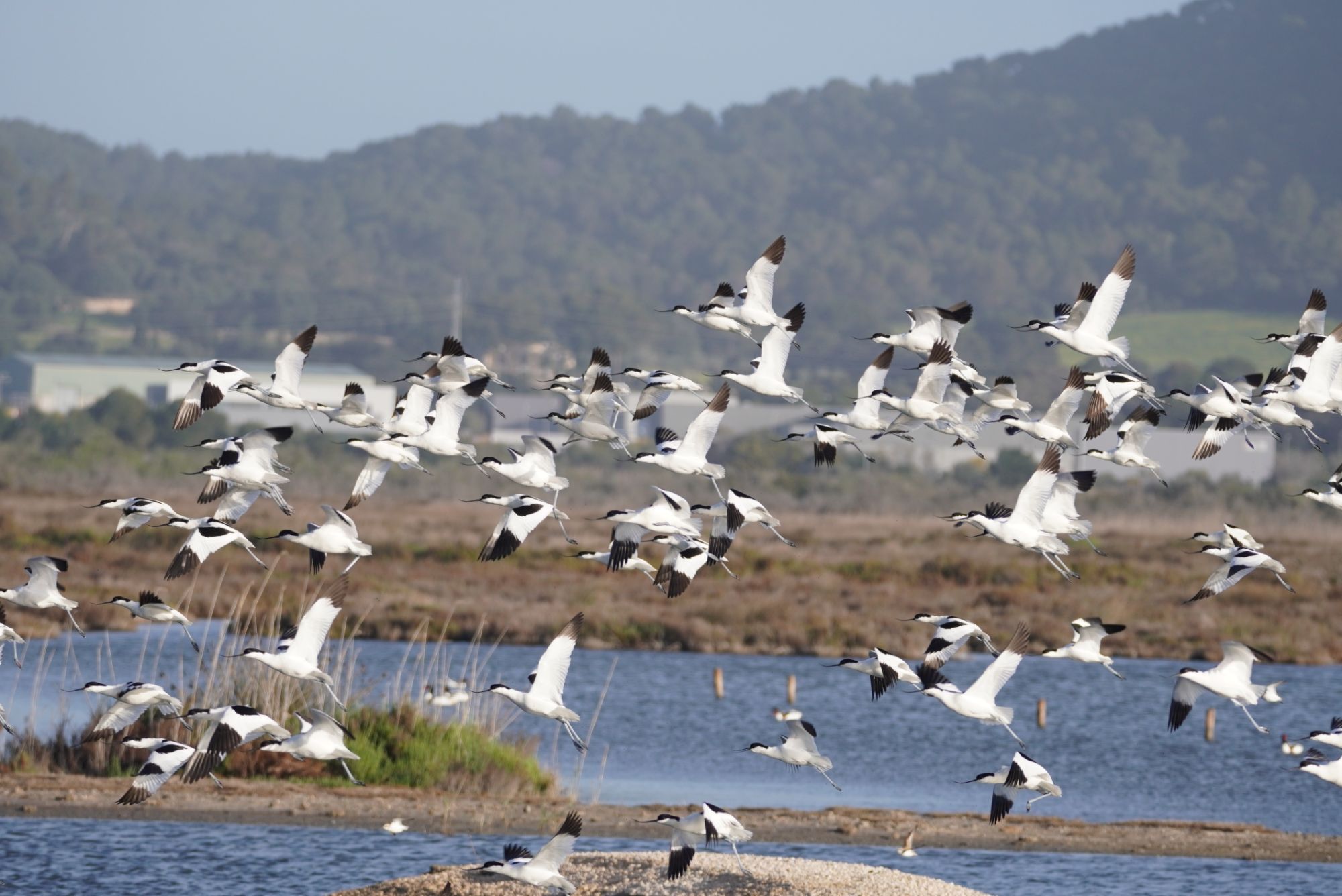
Table of contents
- Spain: Visiting S’Albufera de Mallorca Natural Park for bird watching and photography and exploring walking routes
- Context of my visit to S’Albufera de Mallorca
- The nature reserve in Alcúdia: S’Albufera de Mallorca
- Observation points/lookout posts
- Walking paths and biking routes in the S’Albufera reserve
- Bird hides ideal for photography and bird watching in S’albufera de Mallorca
- Species lists and latest observations: Where to find them?
- Nice to know before visiting S’Albufera de Mallorca Natural Park
Context of my visit to S’Albufera de Mallorca
When I visited Mallorca in late March 2024 with my mother, it was not my first visit to the island.
It was, however, the first time I stayed somewhere else than Palma de Mallorca, the ‘capital’ city. We stayed four nights in Palma to enjoy the fantastic city, where we visited good restaurants, and I did some window shopping.
After four nights in Palma we returned to the airport to pick up a rental car, which we had planned to use for the remaining three days on the island.
I had booked us a resort hotel in Alcúdia in the northeast end of the island, close to Pollença, another well-known town popular for tourists. From Alcúdia I was hoping to explore some of the local wildlife hotspots, scenic routes in the mountains and visit some local villages along the way together with my mother.
I hope my mother enjoyed this trip as much as I did, it was interesting to try something new (including renting a car in Spain, too) and see the mountains in the north end of the island!
The nature reserve in Alcúdia: S’Albufera de Mallorca
S’Albufera is a 2200 ha coastal marshland with reedbeds (67% bogs, mires and fens), located very closely to the ocean. Prior to it’s designation to a protected area and part of the Natura 2000-network, the area was in risk of being developed due to it’s location close to the sea. When you visit Alcúdia, you understand what a delightful place it is – and why tourists keep coming back. Thankfully, local nature enthusiasts fought for the protection of the S’Albufera – and now it is protected for good. The highest threats and pressures towards the nature reserve is, however, still increasing urbanization, development and industry in the area.
S’Albufera de Mallorca is as mentioned a Natura 2000 area (since 2000), and it is designated as a habitats- and bird protection area. The protection includes 56 bird species, 1 mammal (bat) and 24 habitat- and sub-habitat types. According to some websites, it is the most important wetland of the Balearic Islands. Therefore, it is definitely worth a visit if you care for birds and nature 🙂

Preparing for my visit
I had done my research before visiting the reserve. My mom and I arrived at the hotel in Alcudia in the afternoon, and afterwards I hurried into the reserve on foot to collect a visitors’ permit in order to visit the reserve before 9 am the following day.
Visiting before 9 am is only possible if you have a good reason. The permit is personal and has a time period, which you will determine with the reserve ranger in the office.
From the entrance – you will reach the information centre by walking for app. 15-20 minutes.
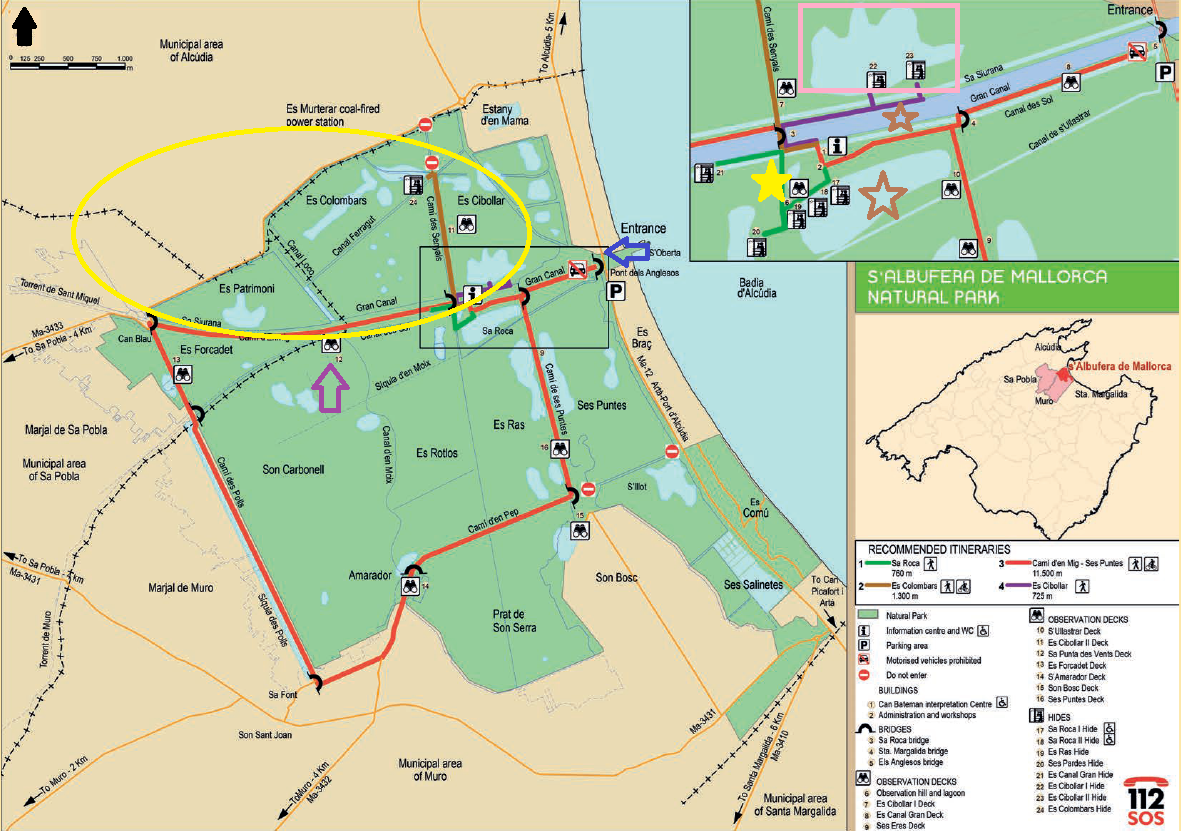
At the information centre you can pick up a free detailed map of the nature reserve. Here you can see the different paths, hides and lookout/observation points. I have also shared a modified version of the map with mentions from this post down below 🙂
Visiting hours in S’Albufera de Mallorca Natural Park
From April 1 – September 30 it is open from 9 am to 6 pm, and from October 1 – March 31 it is open from 9 am to 5 pm.
At the entrance to the park you can also read these opening hours, and the gate will be closed outside opening hours.
Observation points/lookout posts
According to the official map (see also my modified version later in this post.), there are 11 observation points in the reserve.
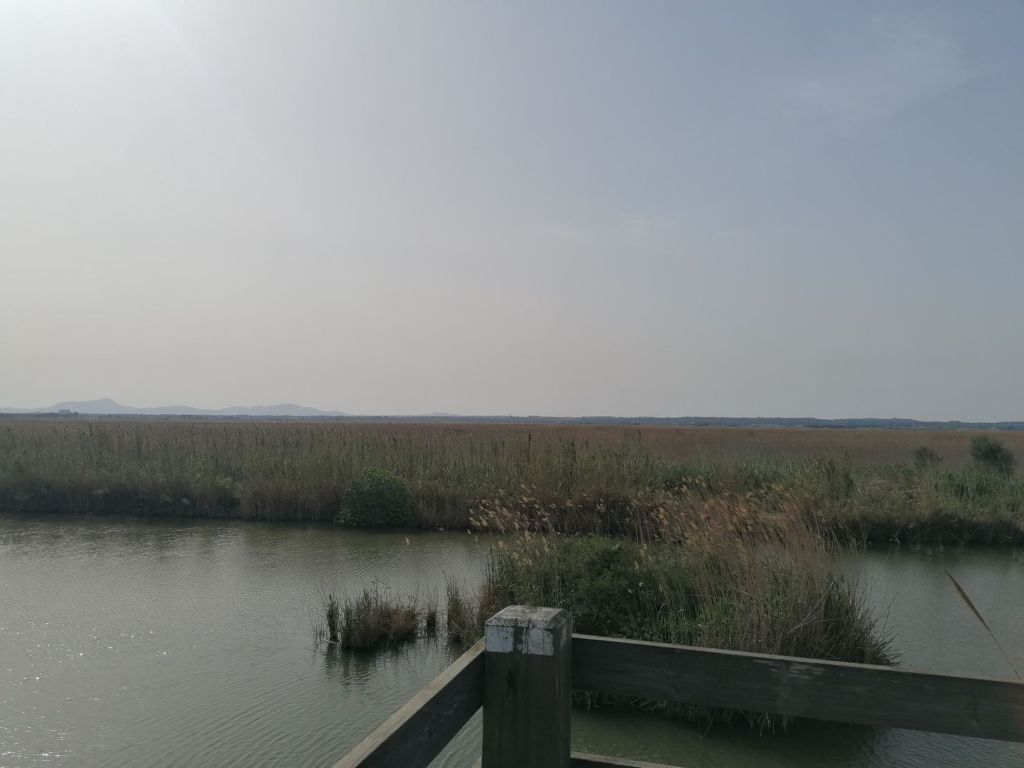
Some of them are observation decks, some are towers or lookouts – some taller than others. I believe I ventured up in the tallest of them (number 12) – there was a great overview of the reserve, but it otherwise it was not a good spot for bird watching.
Five of these observation decks are located along the longer round-trip in the reserve, and the tallest lookout post (#12) is located just south of the Gran Canal when you venture west from the information centre.
Walking paths and biking routes in the S’Albufera reserve
There are a number of different routes you can take inside the reserve. From the shortest marked route of 750 meters to the longest 11.5 km route, there is something for every level of physical movement – except for running!
You may only walk or use a bike in the reserve– no other type of exercise is allowed in the park. It is after all, a nature reserve, where birds and other wildlife must have peace. The rules of the reserve is also presented just at the entrance of the park on a big sign, where you can also see the map in full scale.
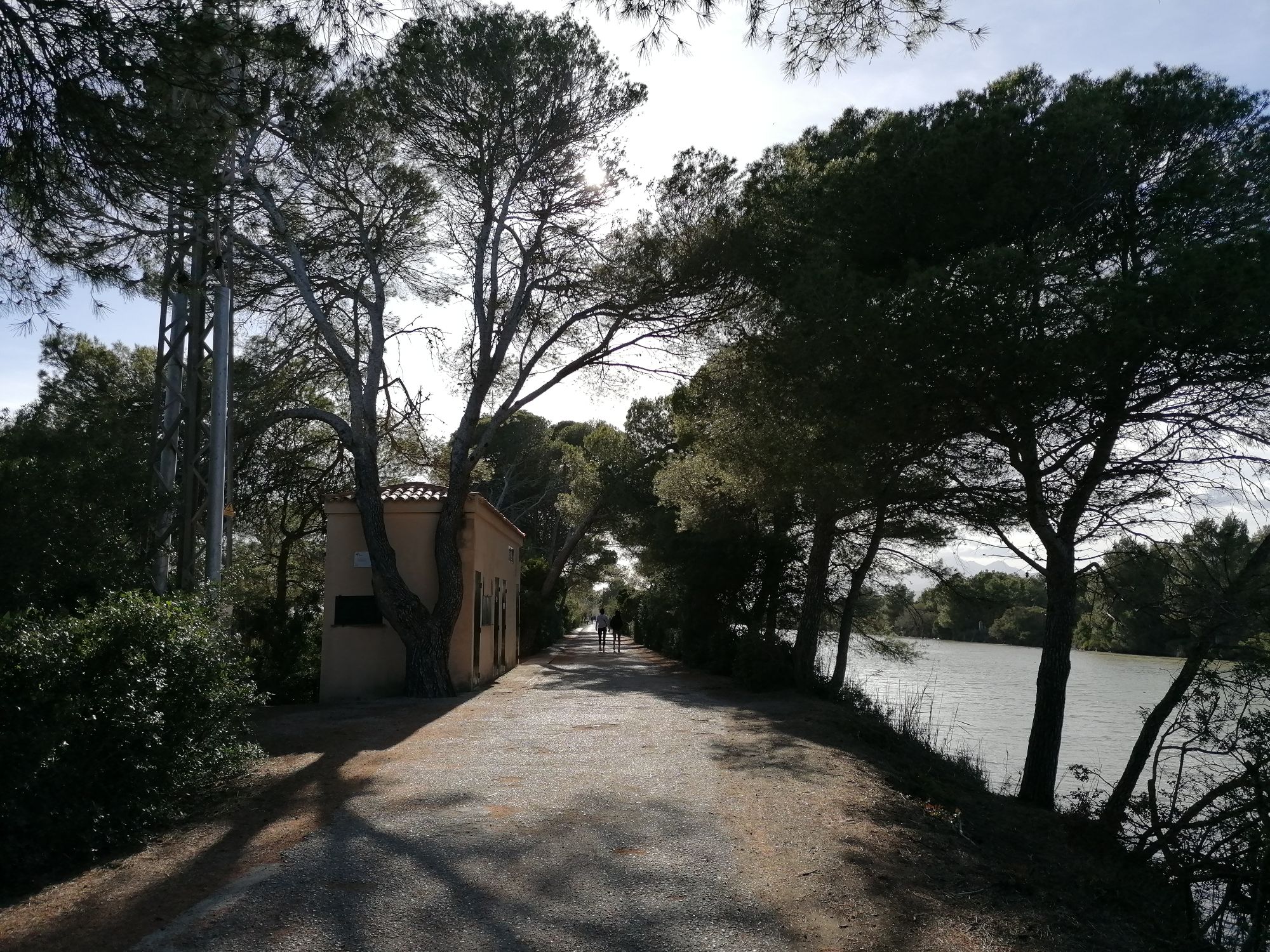
Number 3 Cami d’en Mig – Ses Puntes (red route)
There is only one longer route, the 11.5 km round-trip inside the reserve. It will take you along the western edge of the reserve, and there are various observation points along the route. This route is number 3 and has the red marking on the official map (see the modified map later in this post). This route is ideal for a biking-trip inside the reserve.
Number 1 (green route) – 760 meters
There are three other paths marked as well. Number 1 Sa Roca is a short 760 meters walk which begins from the information centre, meaning in total it is longer since you also have to walk/bike from the entrance. On route number 1 (green route) you have a vast selection of five different bird hides to visit.
It is also the area around the information centre, where you can see a small exhibition about the nature of S’Albufera, and if you visit at the right time (March-April) you can see the blooming orchids inside a small enclosure. These orchids are also found ‘in the wild’ elsewhere in the reserve, but you will likely not see them as well outside!

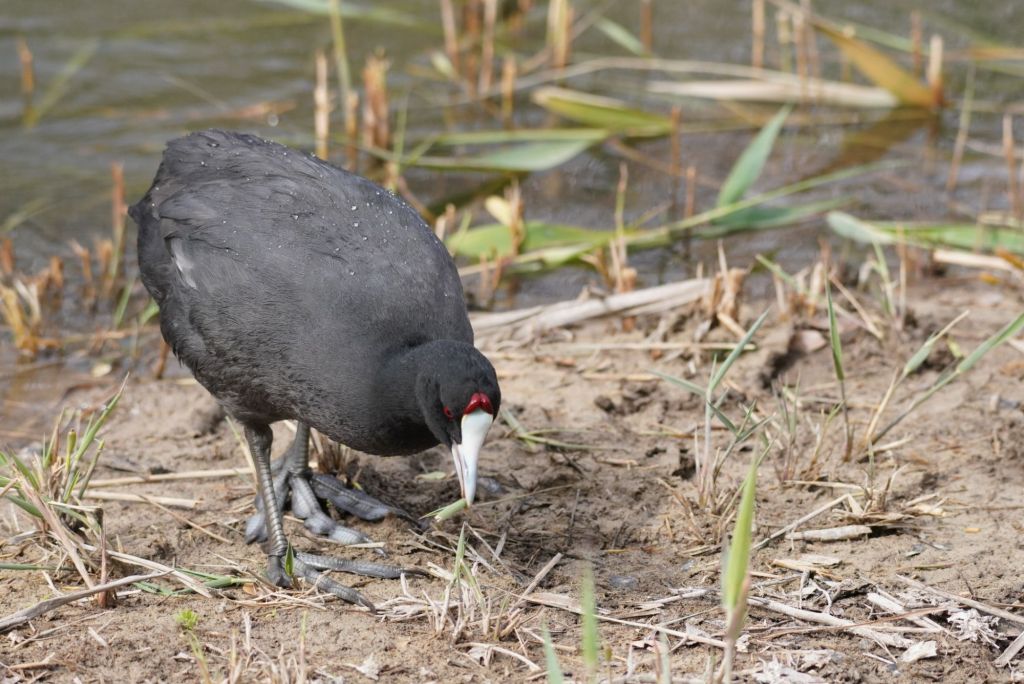
Number 2 (brown route) – 1,300 meters
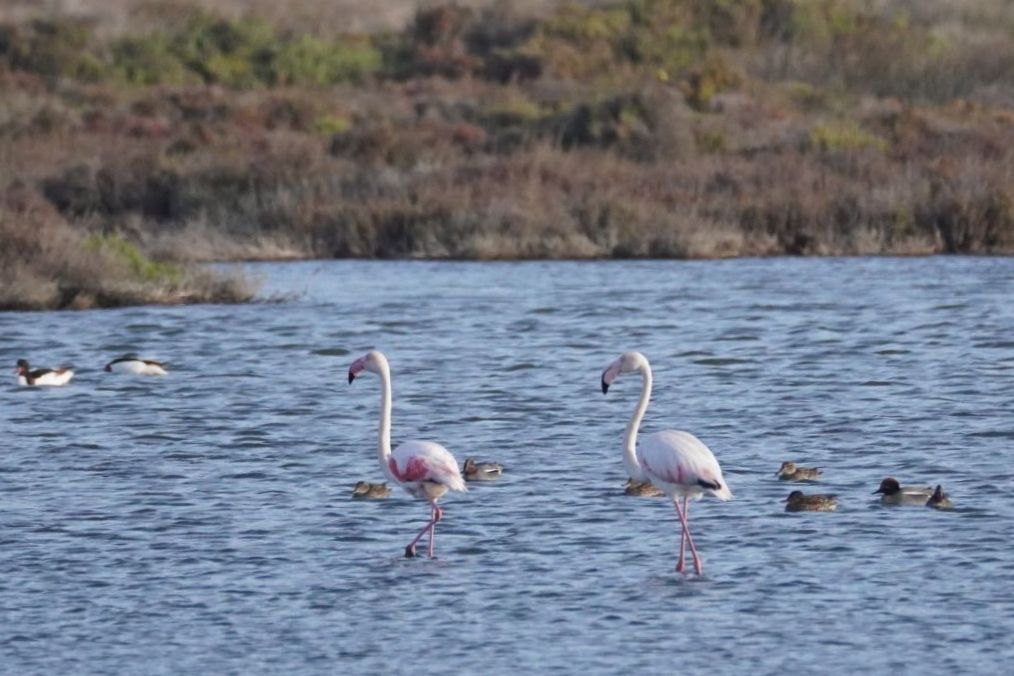
Number 2 ‘Es Colombars’ is one straight dirt road from the information centre. It is 1,300 meters and will take you to one bird hide, from where you can likely see the flamingos (Sp: Greater flamingo). The area where the flamingos are mostly spotted is also marked on the modified map later in this post.
Number 4 (purple route) – 725 meters
Number 4 ‘Es Cibollar’ is a 725 meter short route that takes you to two different bird hides north of the Gran Canal. Here you have a nice overview of an open water area with lots of bird life up close. This place is marked with a pink square on the modified map later in this post.
This is also one of the three places in the reserve, where I saw marbled ducks and red-headed pochard.
Do you like my post? Subscribe by typing in your e-mail adress to receive e-mails whenever I create a new post 🙂
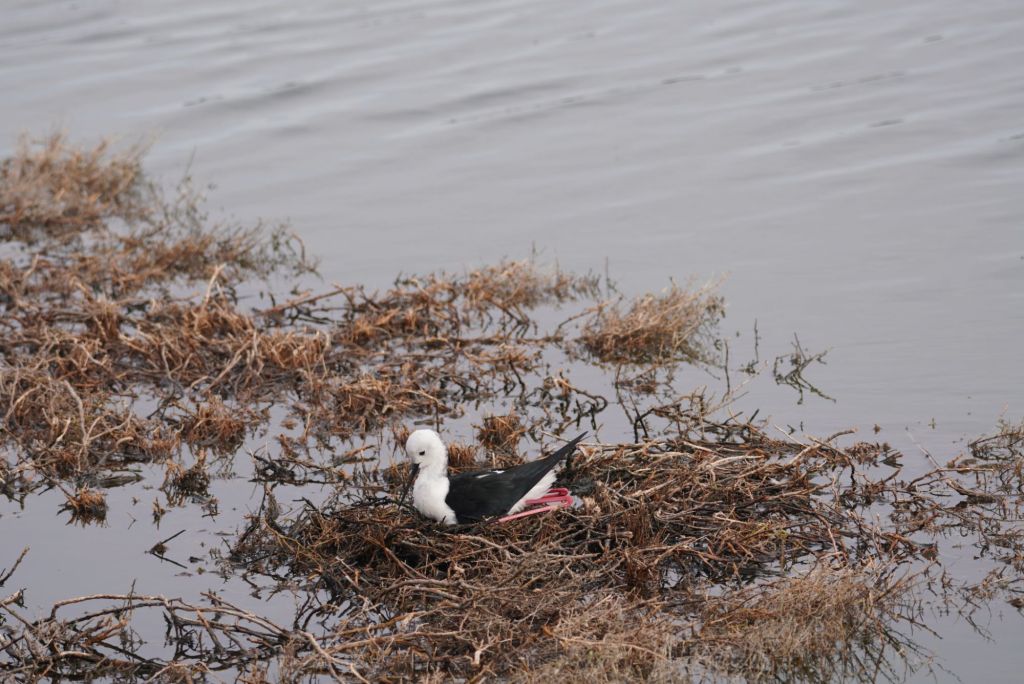
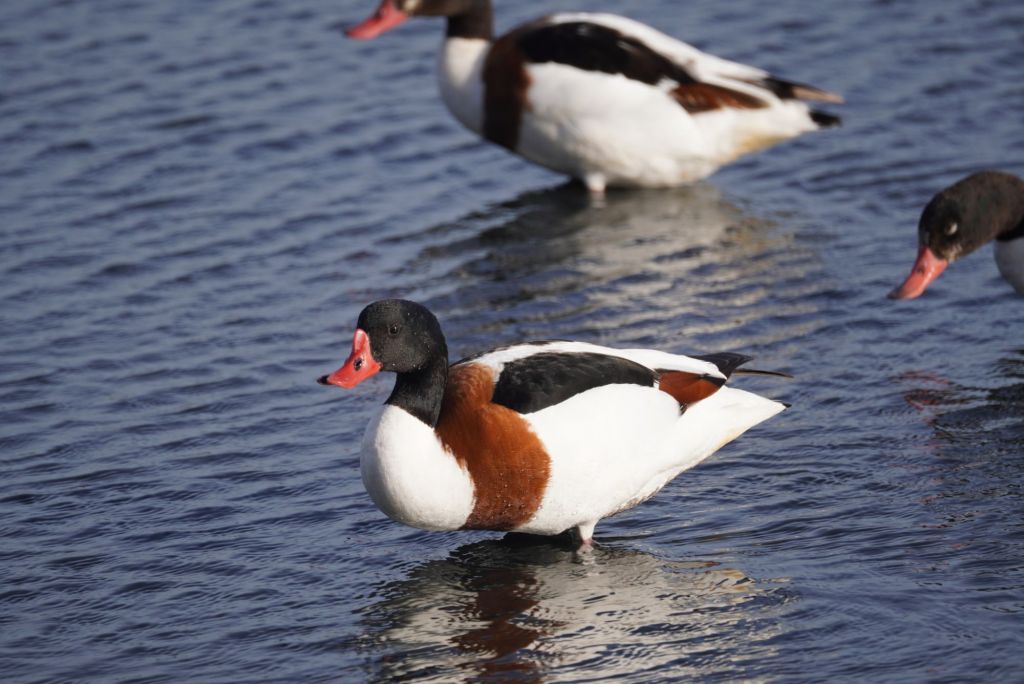

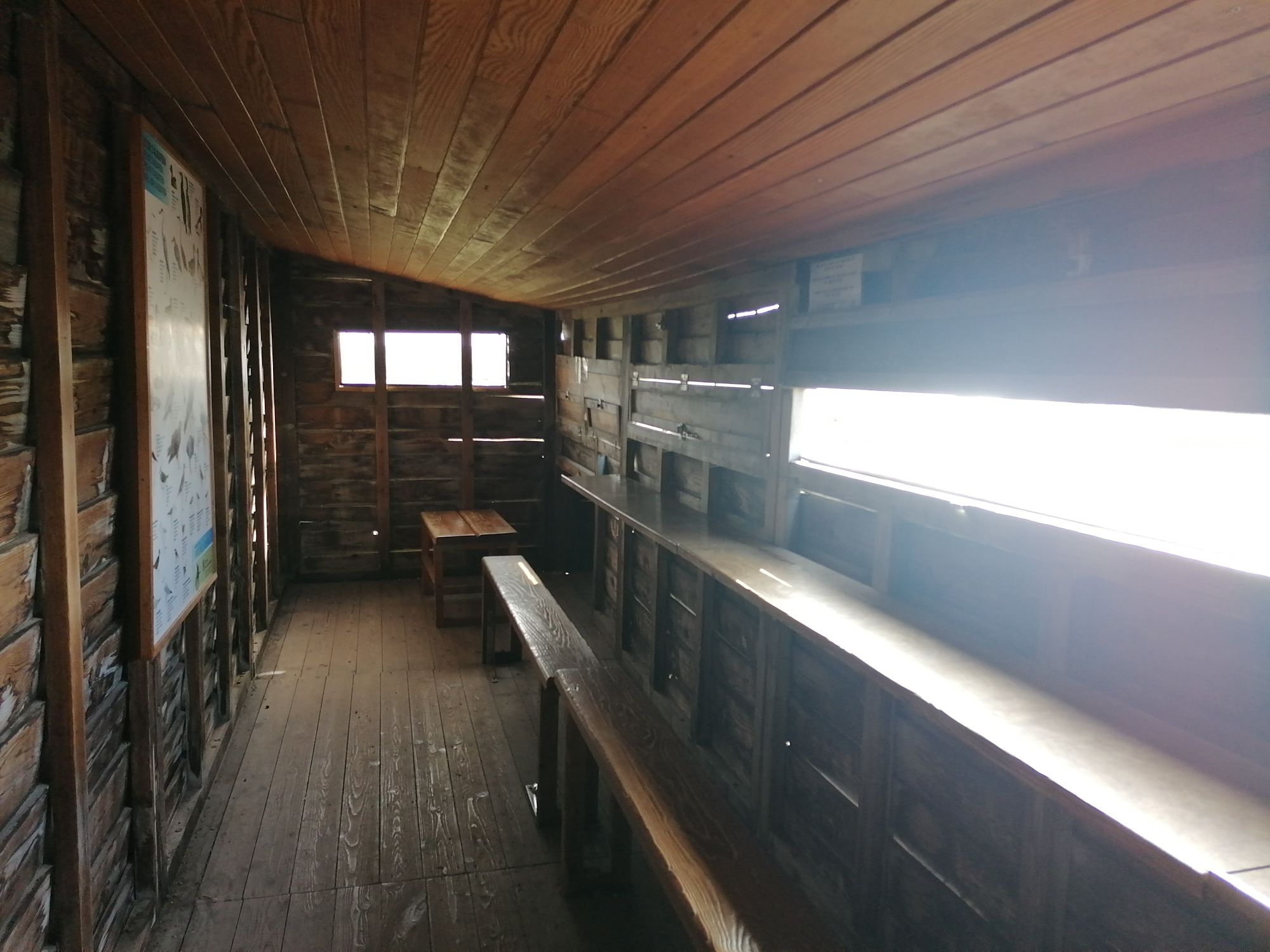
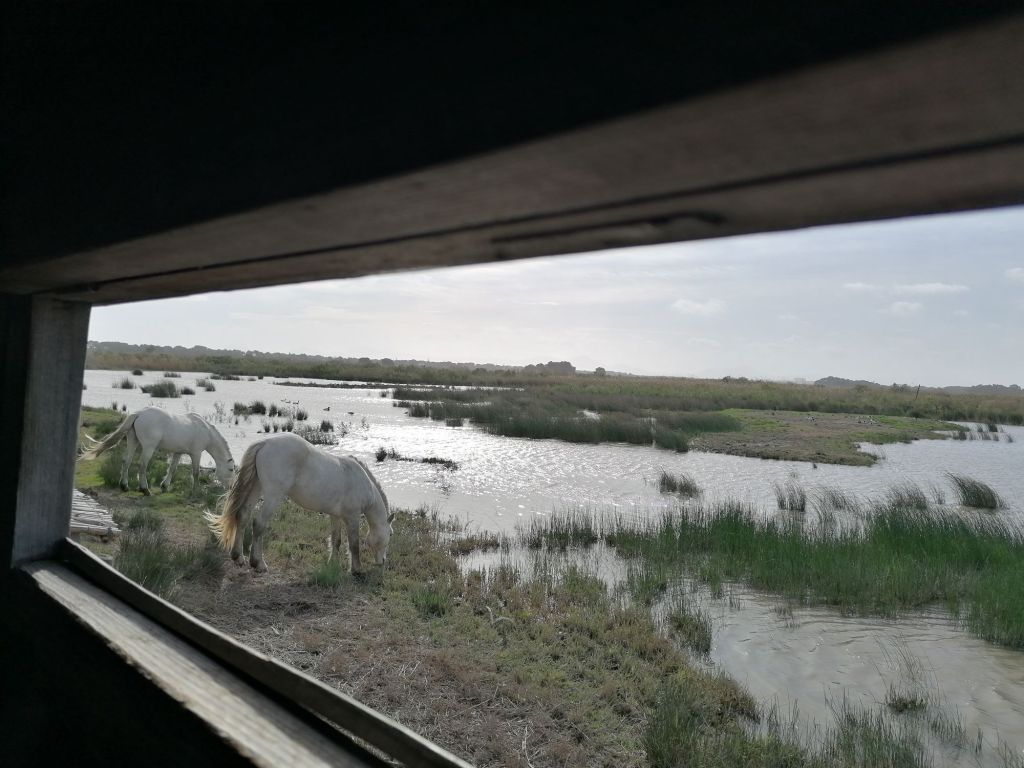
Bird hides ideal for photography and bird watching in S’albufera de Mallorca
I tried to visit as many of the hides as possible during my three visits in the reserve.
South of Gran Canal (on the green route):
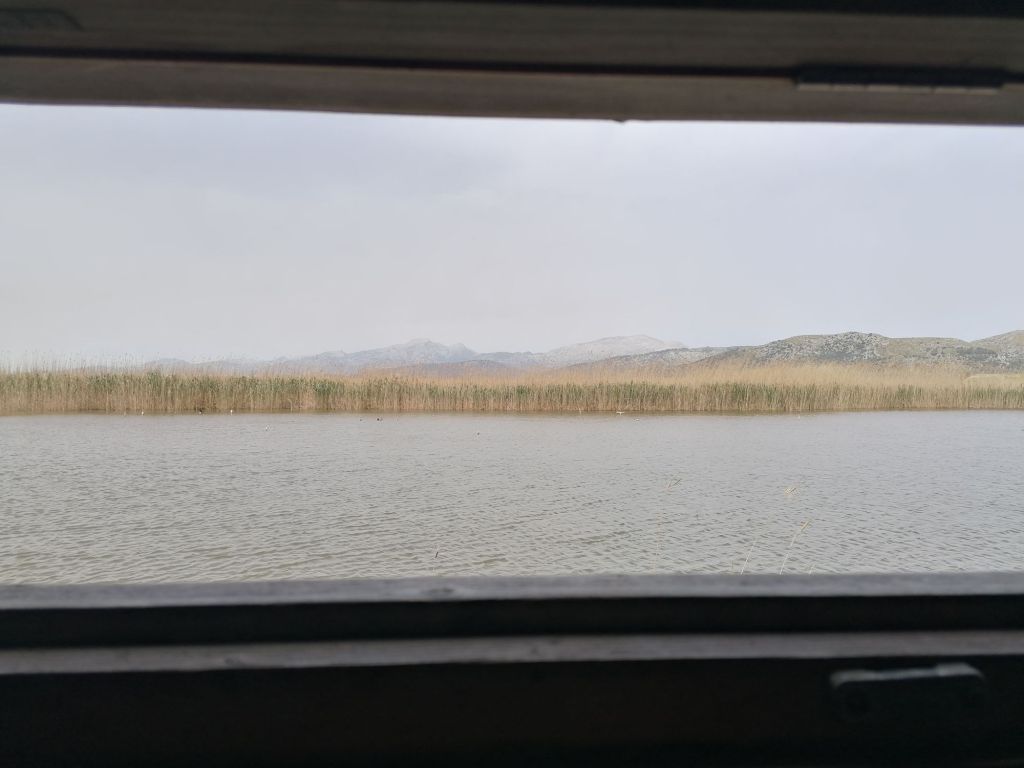
- Hide #20 is ideal for waterbirds such as ducks. At the time I visited it was a deep lake. You also have a great and unobscured view of the mountains. If it is a quiet day, you may hear reed birds such as greater reed warbler singing in the far.
- Hide #17, #18 and #19 are very close and similar. I cannot tell them apart, but I assume the are are plentiful because they fill up quite easily 🙂
North of the Gran Canal (on the purple route):
- Hide #22 and #23 are similar, as they cover the same vegetation type and view. If you choose #23 it may be less crowded, since it is a little further down the path. It is here you have the osprey nest, and you may be lucky to see the osprey. These bird hides have the highest bird species counts according to eBird! From here I saw a stone curlew (such a cool bird!).
- From hide #22/23 I saw two greater flamingos for a short moment, before they took off. You may have better luck with the flamingos if you go to hide #24 – as the northern part of the reserve is their favorite area!
Species lists and latest observations: Where to find them?
On this map below (modified from the official website) I have marked some points of interests that I have mentioned in this post, if you are short on time and want to see as few places as possible.
Map of S’Albufera de Mallorca Natural Park (modified with my personal advice!)
For the most updated species lists and recent observations
Look no further than eBird! On ebird you can see all the latest (and historical!) lists of observations.
You can find hotspots (For example the highest species count) and where to search for specific target species (Purple swamphen for example). You can find a simple bar charts, which shows you what time of the year it is most likely to see different species.
I am using eBird much more now than ever since I want to have all the species I see worldwide in one app/website – to be able to see my “grand total” number of species. I’m not doing a big year or anything, but I think eBird has some great features of showing the number of species I have observed on different maps.
I personally had four rare species, that I really wanted to see and that which I totally missed – and they were supposed to be there; Purple swamphen, moustached warbler white-headed duck, and purple heron 😦

Nice to know before visiting S’Albufera de Mallorca Natural Park
- There are few trees, and you will be exposed to the sun for most of your visit – at least while you move about. The hides are shaded.
- Bring lots of water with you
- There is one toilet at the information center
- The information center and some of the hides on the green routes are easily accessible for disabled and baby carriages etc. But you cannot drive up there in a car.
- You cannot enter the habitat (lakeside, marshland etc.) – you may enjoy the wildlife from the paths!
- You cannot run (exercise) in the park – it scares the wildlife!
*None of the mentioned places or experiences in this post were sponsored.

© All photos are my own unless stated and may not be used without permission.

 Traveling Female Ornithologist
Pingback: Exploring Wildlife: Sony a6400 Camera Review | Traveling Female Ornithologist