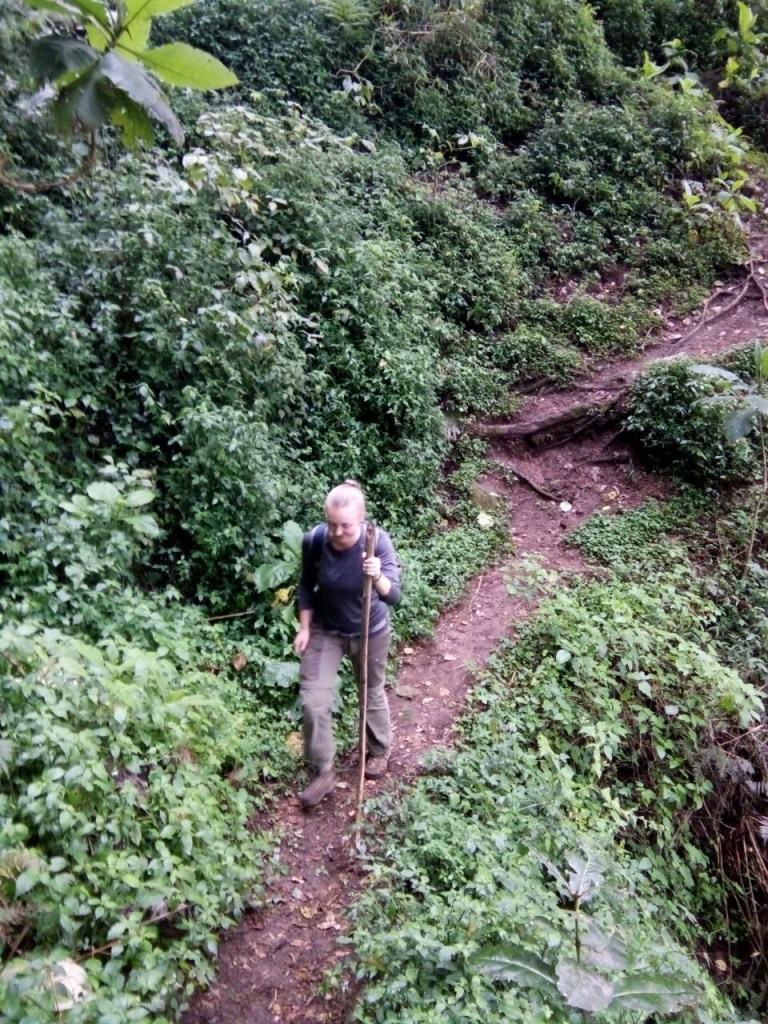
Back in Kenya in November-December 2016 I spent many days in a biodiversity hotspot called the Taita Hills. I was carrying out the fieldwork for my Master’s Thesis in Terrestrial Ecology at the University of Copenhagen. My thesis project was 60 ECTS and thus half of my Master’s degree!
Table of contents
- What makes the Taita Hills so special
- A transformed landscape under continued pressure
- The journey from Nairobi to the Taita Hills by car…
- What brought me to the Taita Hills; conducting research for my Master’s thesis!
- My home base while staying in the mountains
- Biodiversity is under immense pressure
- Confronted with the reality
- Shopping trips to Wundanyi, Taita Hills
- Time for some appreciation of the local wildlife and nature
- Nature doesn’t always bite back…
- What I learned from my time in the cloud forests of Kenya
What makes the Taita Hills so special
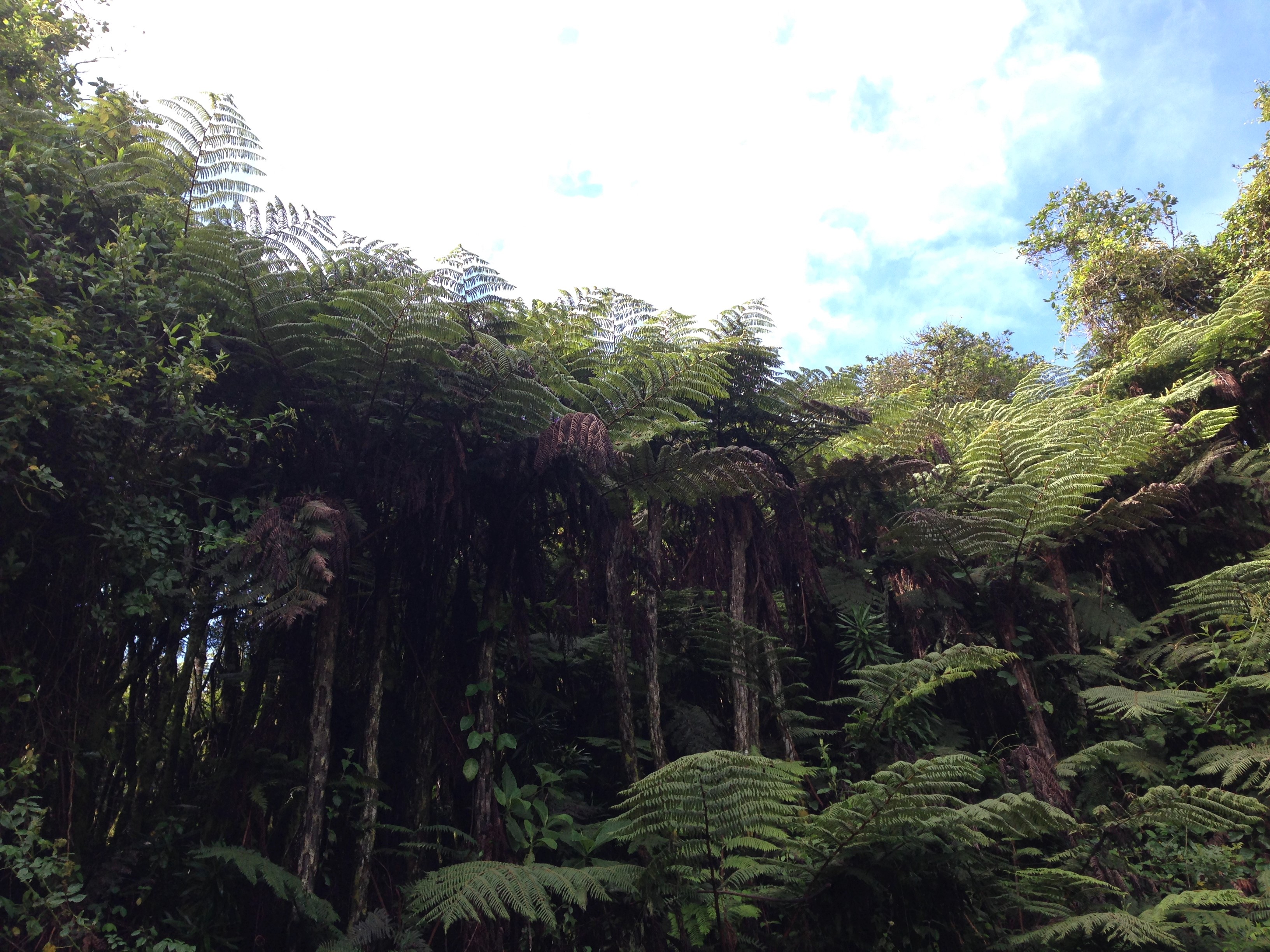
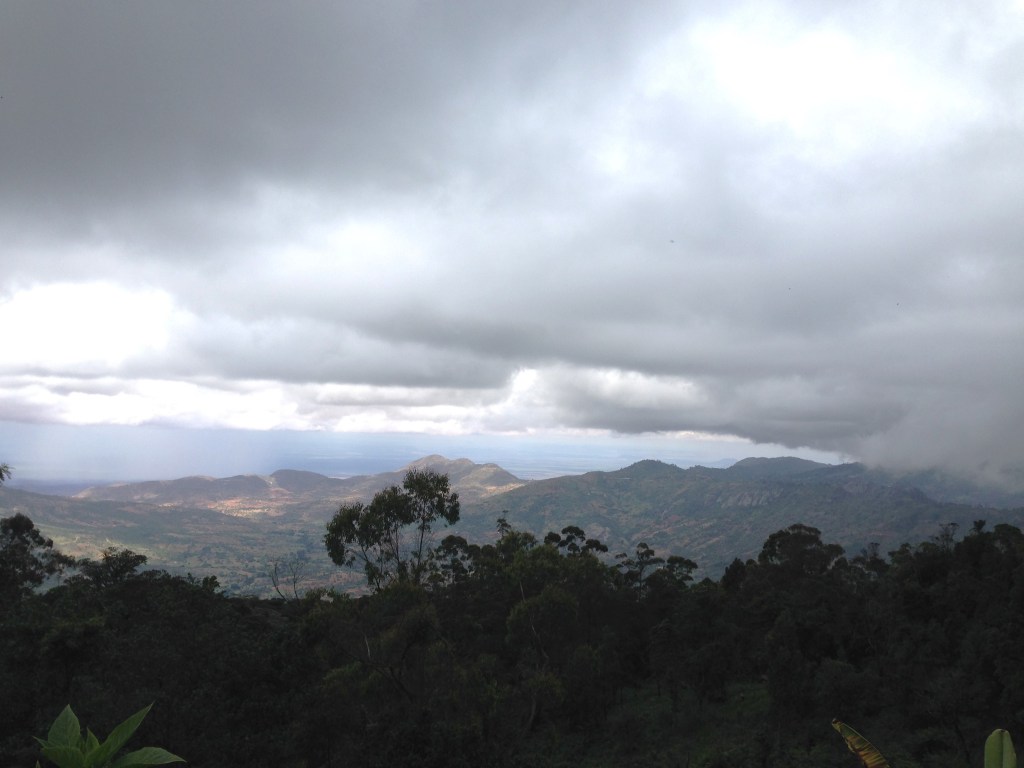
The Taita Hills is a patchwork of cloud forest fragments located at the southern border of Kenya. 360 kilometers southeast of Nairobi and 190 km northwest of Mombasa by the sea, the Taita Hills are nestled amongst the vast Tsavo lowland plains. On clear days, you can see a distant Mount Kilimanjaro in Tanzania.

The hills are surrounded by strictly protected national parks like Tsavo West, but are more than 50 km from any other mountains. The Taita Hills are one part of the Eastern Arc Mountain Range, which include 13 mountain blocks mainly in Tanzania – and Mount Kilimanjaro is not part of this!
A transformed landscape under continued pressure
Now it sounds like I have depicted a landscape of nature wonderland, but this is far from the true story. The Taita Hills are a first class example of how much pressure our nature is under – as it is suffering from severe habitat destruction and degradation!
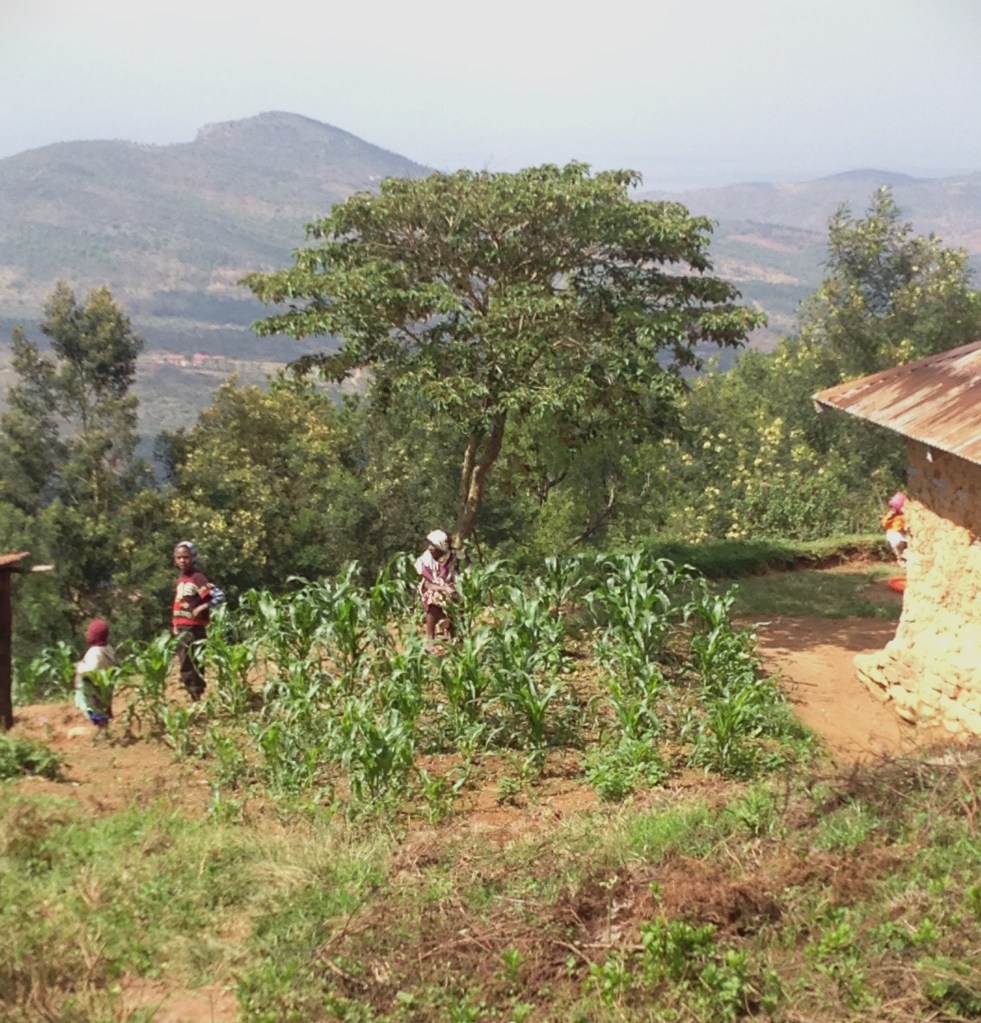
The moisture of the forest is drawn from the Indian Ocean, and the average annual rainfall is app. 1500 mm. These mountains are fertile and provide excellent conditions for small subsidence farming – but it has put an immense pressure on the smaller inhabitants of the cloud forests, such as the Taita apalis, the Taita thrush and many other species of plants, fungi, vertebrates and insects.
The journey from Nairobi to the Taita Hills by car…
On the journey to the ‘base camp’ for my thesis study, we had a long journey on the road from Nairobi. The road up to Vuria (ca. 2,200 meters above sea level) had been ruined by the latest rain, making it a difficult time to reach the top. Locals gathered to watch and help as we fought our way up in our 4×4 vehicle.

What brought me to the Taita Hills; conducting research for my Master’s thesis!
At the end of my fieldwork I had accumulated 48 days in the mountains, gathering data for my thesis from studying the endemic and critically endangered Taita apalis, a small brown-beige bird living in the dense foliage and understory of the forest.
I participated as part of a long-term study and battle to restore the population of this species, since habitat destruction, reduced food availability (insects) and reduced breeding success are the main drivers that have driven the Taita apalis close to extinction.
My home base while staying in the mountains
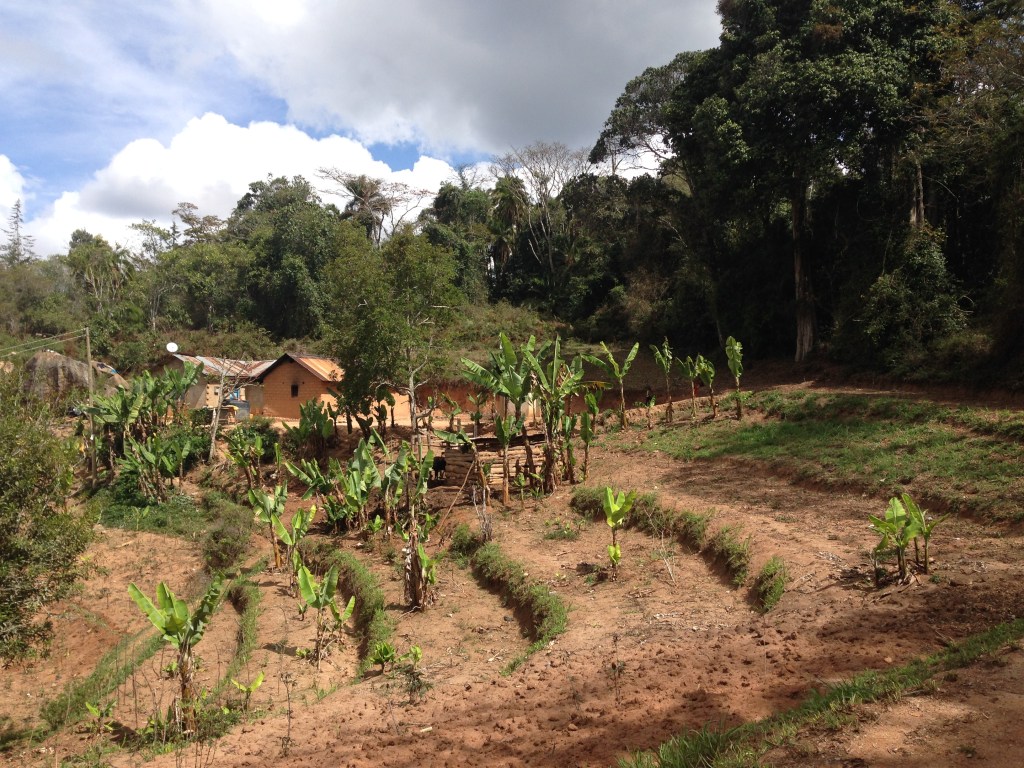
I stayed with a local family, where I paid to use a part of the house for myself and my field assistant. It was a good house, considering the standards of the neighbors.
We had electricity and a living room with couches and a tv. There was a bathroom with ice-cold water (but water!!!) next to my bedroom, only for me to use.
We had no fridge to store our food, and there was barely any internet reception at the house, but a mobile connection was possible, making it possible for me to interact with my fellow researchers.
Biodiversity is under immense pressure
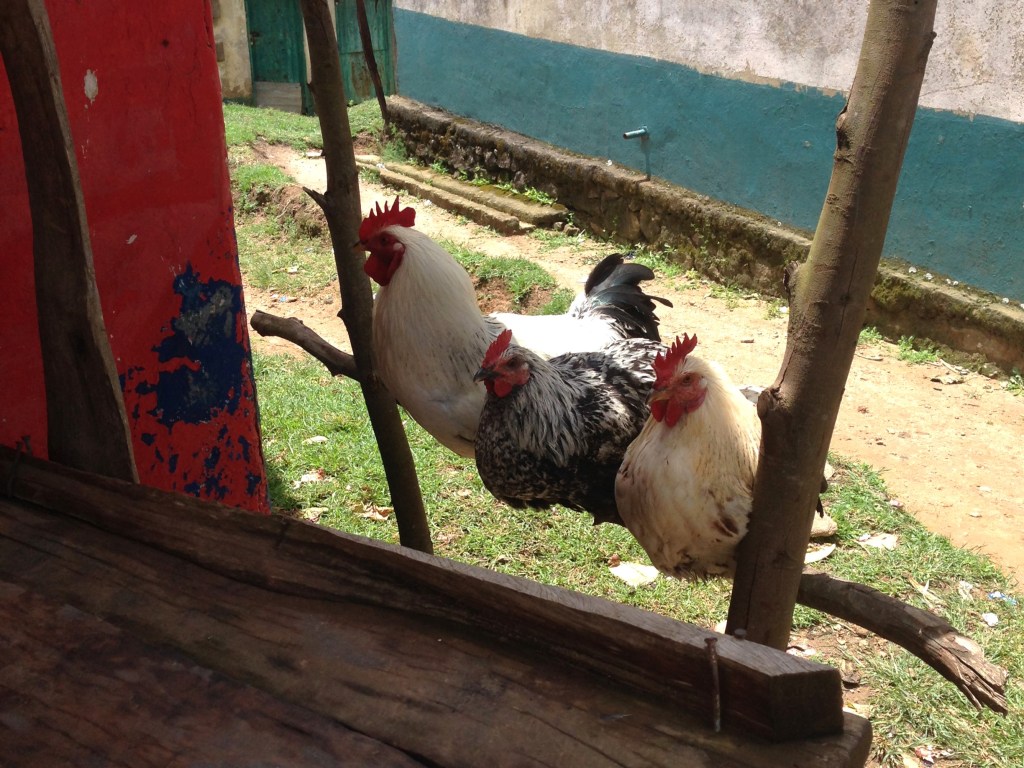
It was so clear to me when we arrived, that this place was under pressure from humans. Due to the constant rains and cooler climate, the Taita Hills are good for farming purposes. Most land parcels were owned by local people living next to their farmed fields, where they held a few cattle and some chickens too.
Most families also owned vicious guard dogs, that were sometimes left unchained – evoking horror-like situations in my opinion! I will never forget, when I was chased by a vicious dog while walking past a private property..

Confronted with the reality
Daily I would meet locals when they hiked up the mountain in search of fodder for their livestock, and cattle (livestock) feeding on plants on the roadside. They were everywhere, and they were threatening the Taita apalis!
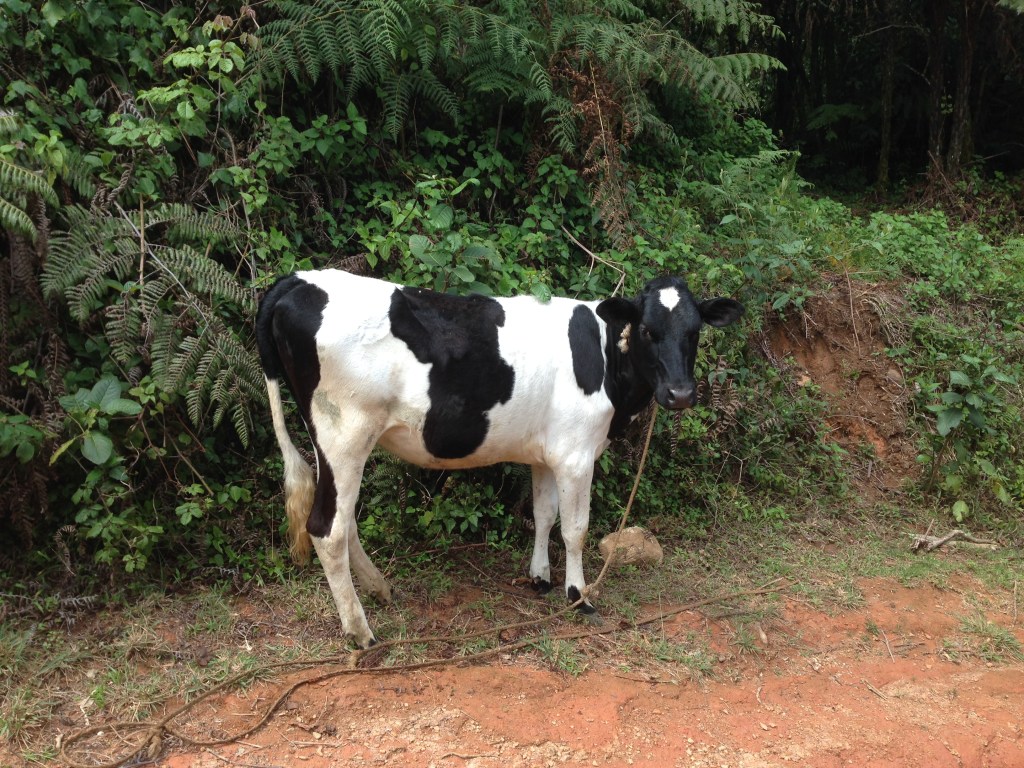
I used camera traps to monitor the Taita apalis’ nests, and I had one nest with two little precious chicks, where a dairy cow like this one (photo below) was standing just next to a nest. This was an immediate danger to the nest, because the cattle could trample and destroy the nest in an instant.
With only 50-250 mature individuals of Taita apalis left, this species is on the brink of extinction. Loosing even just one nest due to human interference would be devastating to the population.
But I also learned how much dairy milk constitutes of the locals daily nutrition and as part of their income. At our base, we used fresh milk brought daily from our milk-guy, which we used for our morning oats, and in our coffees and afternoon teas. The milk cattle are very precious!


On one of my least favorite days in Vuria, I heard a chainsaw nearby in the forest. I knew I had to be careful, as any logging would be done by someone carrying out an illegal act! I did not want to catch anyone ‘red-handed’ and risk any uncomfortable or dangerous confrontation – but somehow the guy escaped, and my field assistant and I went closer to inspect and take pictures of the scene.
Like this post? Please subscribe to receive news of my next post!
Shopping trips to Wundanyi, Taita Hills
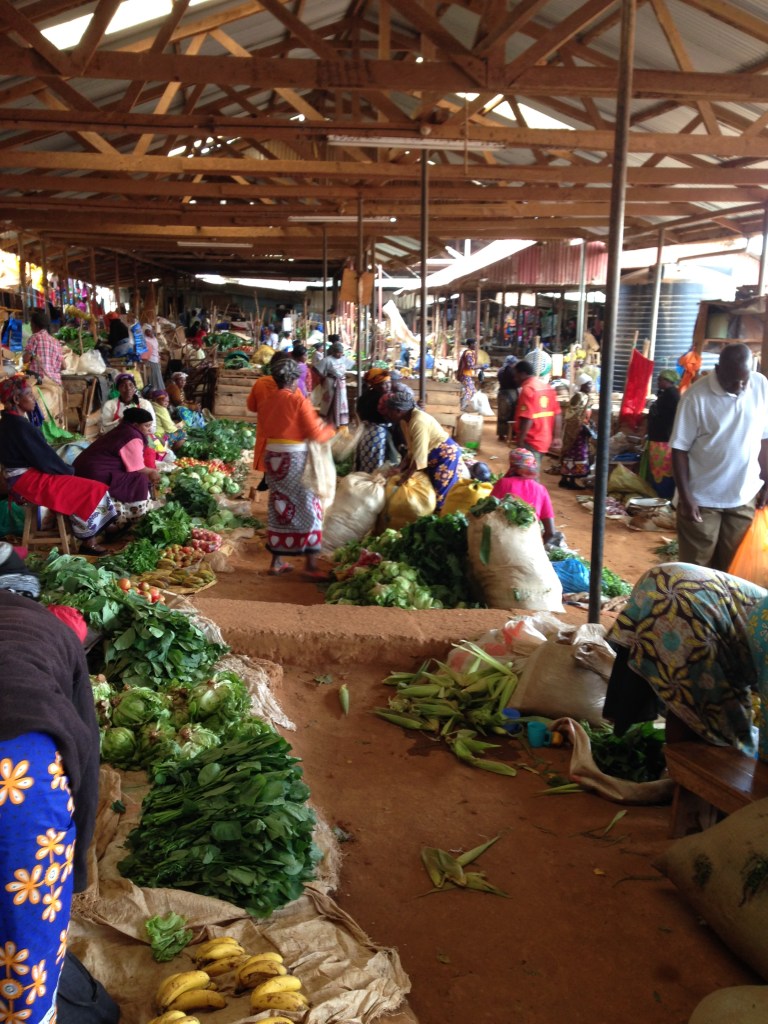
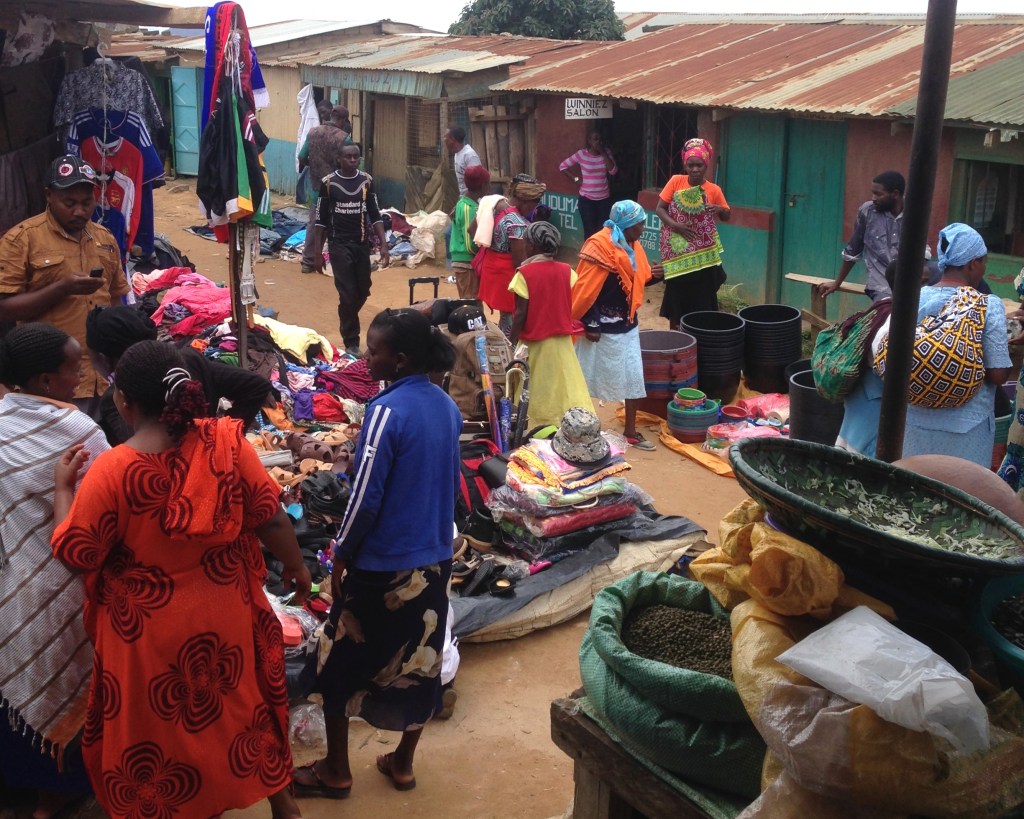
When we were in need of fresh groceries (delicious, sweet mangoes, meaty avocados, oats, vegetables and other things), we went by ‘boda boda‘ to the Wundanyi market on a weekly basis, or when we felt energized we walked to town like the locals. A boda boda is a local slang for a motorbike taxi.
Time for some appreciation of the local wildlife and nature
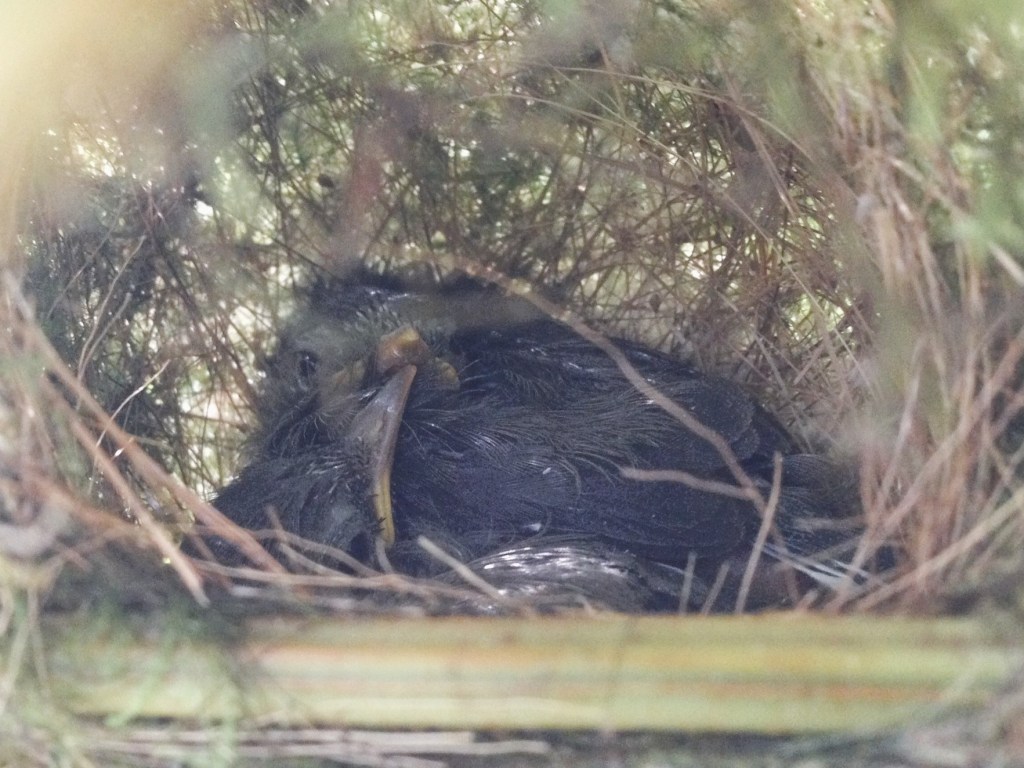
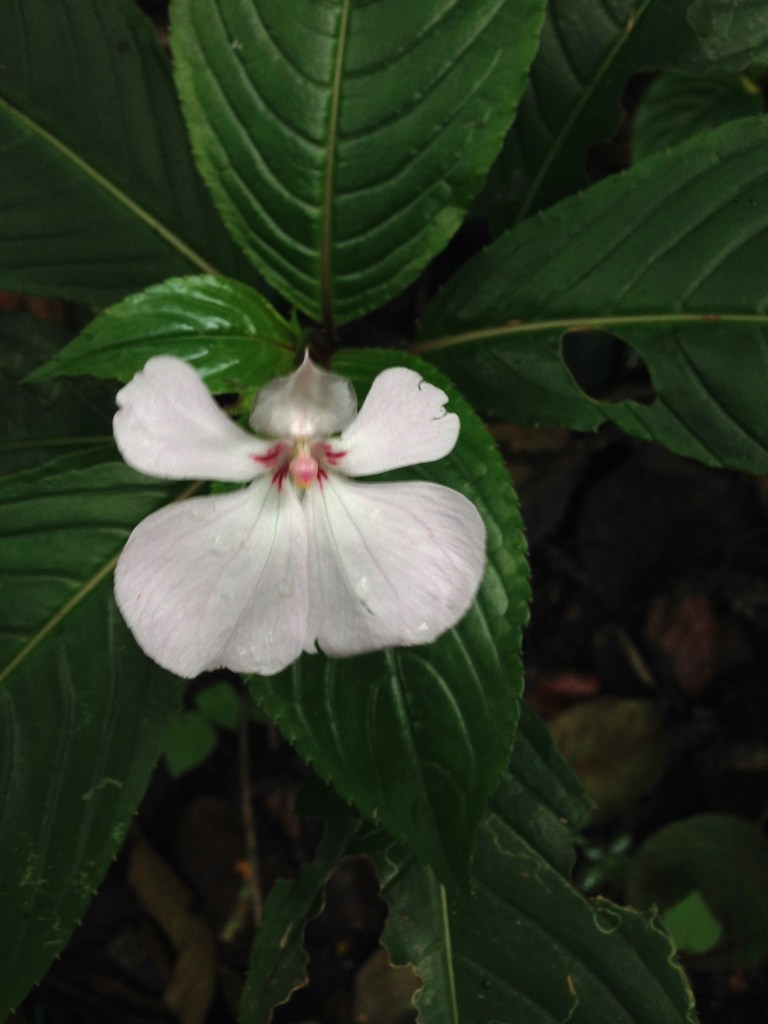
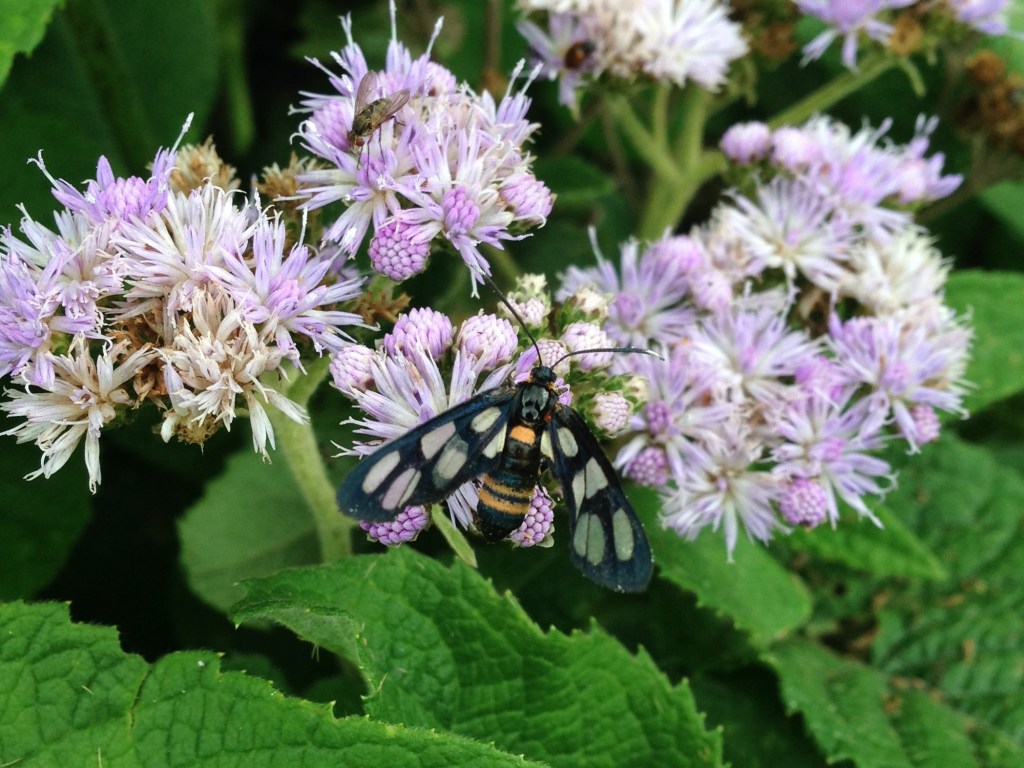
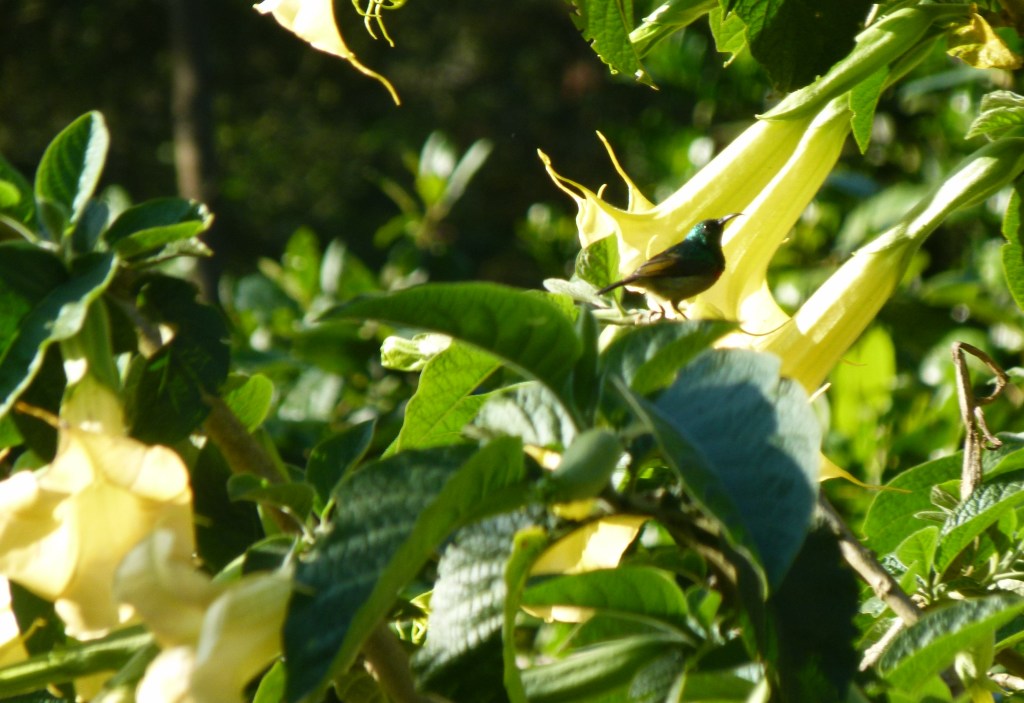
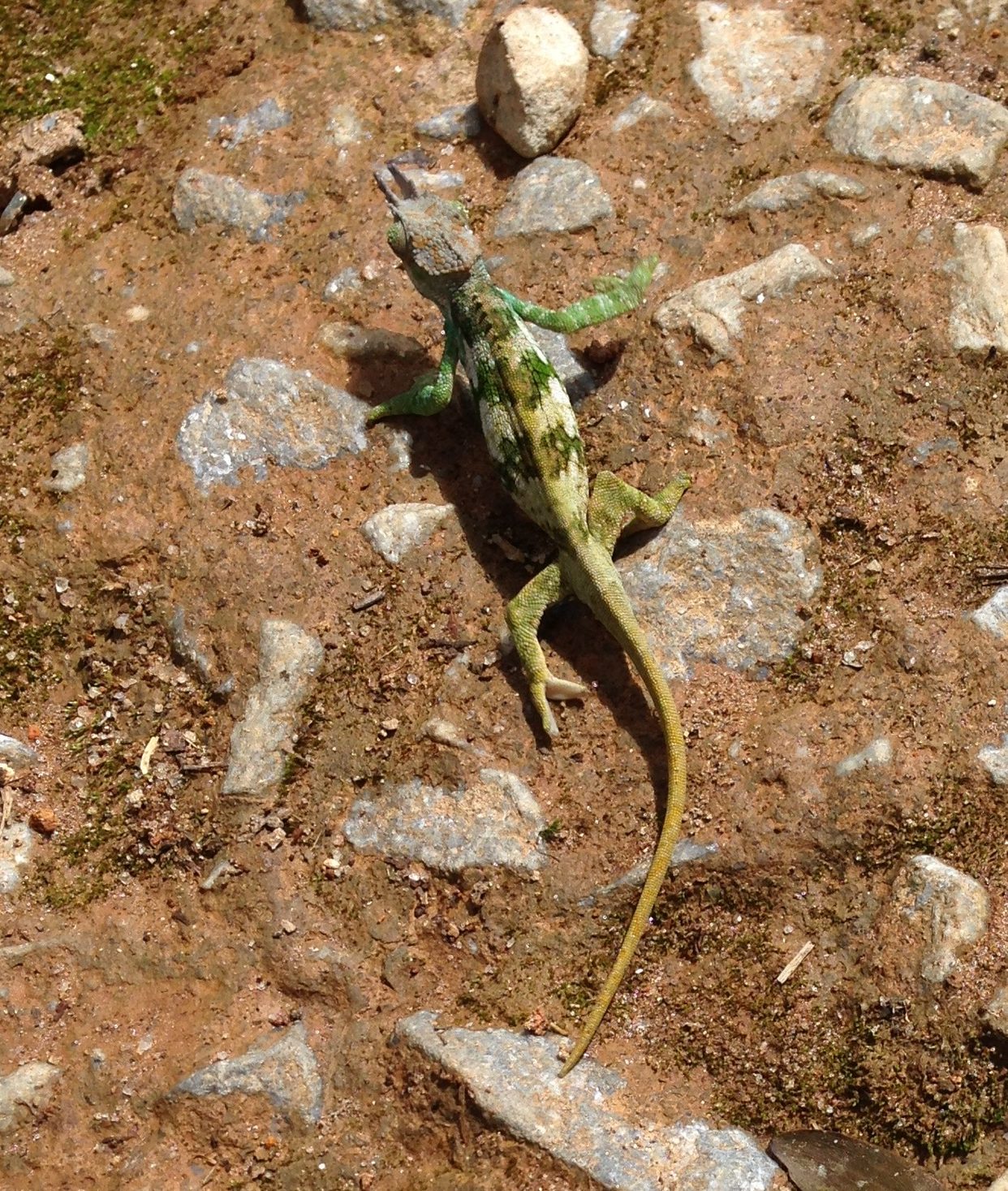
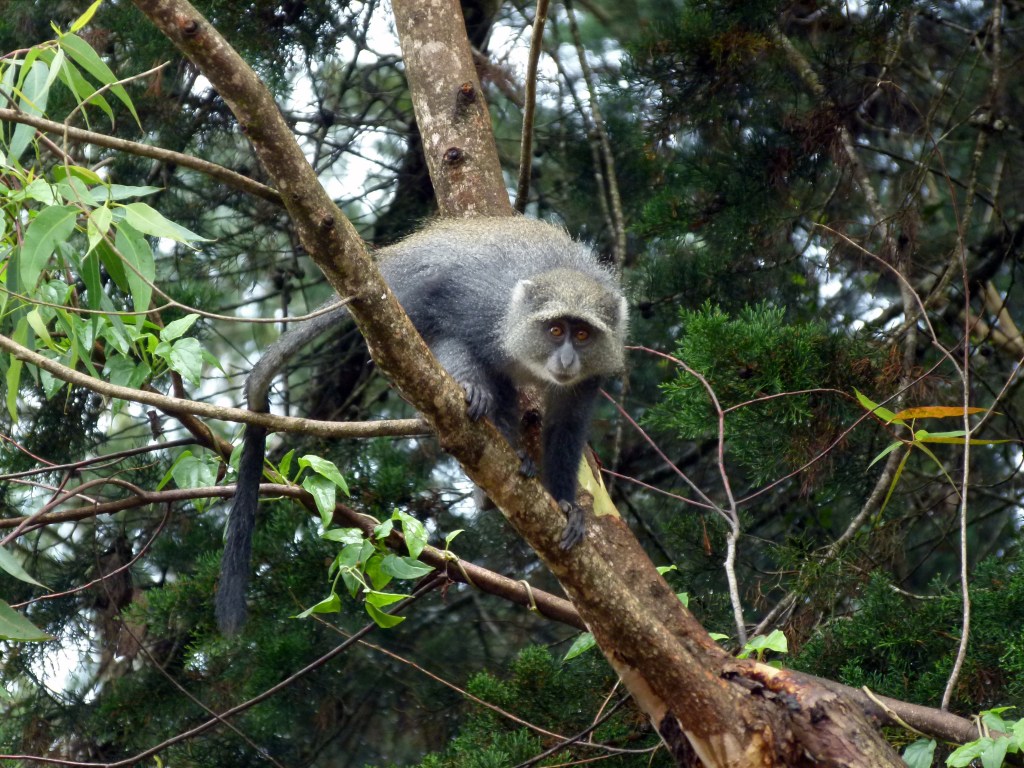
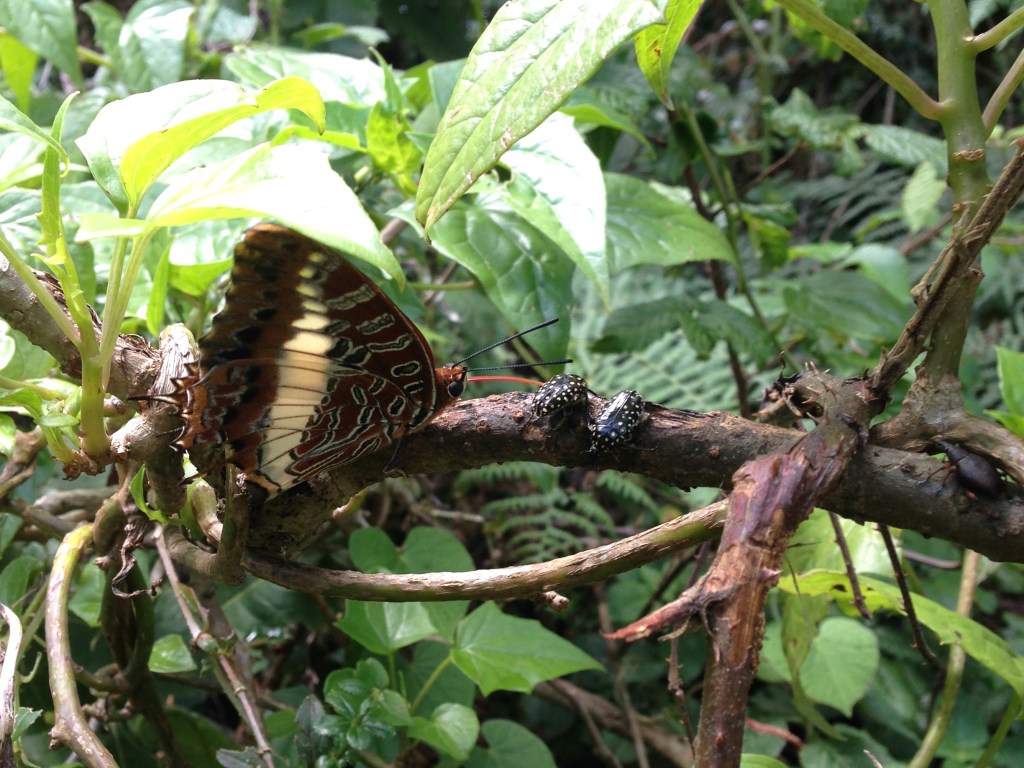
I felt extremely privileged to spend nearly two months in the Taita Hills. Despite all the bad days and the rainy weather, I saw beautiful things such as these animals and plants. Luckily, and despite the high pressure on nature in the Taita Hills, I managed to see most of the endemic vertebrate species.
I saw the Taita apalis, the Taita thrush, Taita whiteeye, and the Taita two-horned chameleon. I was charmed by the intriguing plants and flowers, colorful insects and the geology of the mountain.
Nature doesn’t always bite back…
One of the great things about the Taita Hills was that there were no venomous animals around. It generally felt very safe to be out and about, and I also had times where I was alone in ‘the bush’. I did not venture out much alone to go birding, as I was usually tired from walking up and down the hills to check nests and collect invertebrates for my thesis.
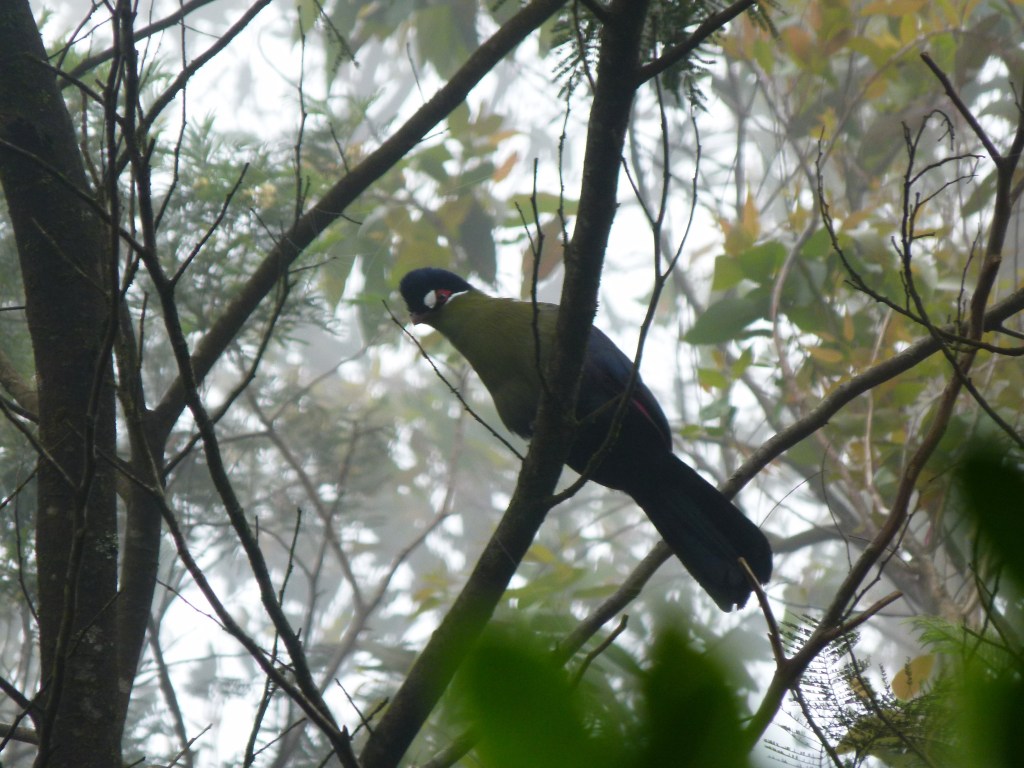
One day when I was alone in the forest, I was surprised to see this beautiful, large, green bird named a ‘Hartlaub’s turaco’ sitting in the canopy not much too far above me.
We were curiously spectating each other and the turaco was not shy! This sighting was the inspiration for my website’s logo (Traveling female ornithologist).

What I learned from my time in the cloud forests of Kenya
While I had a largely successful trip where I managed to collect data AND have my assistants continue with the data collection while I left after 48 days, I met a lot of obstacles. All together I was so fortunate that I was never harmed.
I came face-to-face with the tough reality of the lives the local inhabitants of the Taita Hills face on a daily basis. It is such a humbling experience to get a glimpse of the lives of poor farmers in Kenya.

I also learned a lot about ‘gut feeling’ and trusting my instincts, when I felt a bad or potentially dangerous experience was ahead of me. Dodging confrontations with bad people was one of them.
My time in Kenya taught me a bunch about standing up for myself. There was some pressure involved in my personal finances affecting me economically, and I managed to get out of it without much student debt.
Appreciation of what I have, and what privileges we have in Denmark and Europe in general in terms of our standard of life, the resources (health care, education) and possibilities to live a meaningful life.
During my time in Taita I met a talented researcher, who had fallen deeply in love with East Africa. She wrote a beautiful piece about the Taita Hills’ unique environment.
While my thesis work did not produce a scientific paper, I still contributed towards understanding some of the underlying environmental drivers behind differences in breeding success of this species, which may be applied to other species living in the same area.
There are still many things to learn about the ecology of the Taita apalis, and ways to conserve the remaining habitat of the Taita Hills for all endemic species in general. The Rainforest Trust had for instance worked and succeeded in compiling enough funding to purchase some land for preserving it forever.
I hope that the Action Plan for the Taita apalis is leading to long-term impacts in order to preserve the species for eternity. I sincerely hope that it can be accomplished!
Education of the local community also holds one of the most important keys in preserving the wildlife and unique nature in the hills.

If you are interested in reading more about my adventures in Kenya, here are some more posts;
My visit to Nairobi (where I visited the excellent Natural History Museum and met some of our human ancestors!)
My one-day self-guided safari in Tsavo East National Park
My Christmas holiday in Mombasa by the coast
*None of the mentioned places or experiences in this post were sponsored.
© All photos are my own unless stated and may not be used without permission.

 Traveling Female Ornithologist
Pingback: Discover natural history and wildlife in Nairobi | Traveling Female Ornithologist
Pingback: Kenya: Self-guided safari in Tsavo East | Traveling Female Ornithologist