This post is not sponsored or affiliated.
I visited on a 25-day long journey Ecuador in August-September 2025 with two different travel companies, and I had the best trip ever!
First I spent 13 days on a guided round-trip with fellow-minded people from Denmark, visiting a handful of different natural habitats of birds. The bird tour was arranged through the Danish-Ecuadorian travel company Skandino Travel, and it was the first time I joined a dedicated bird trip abroad!
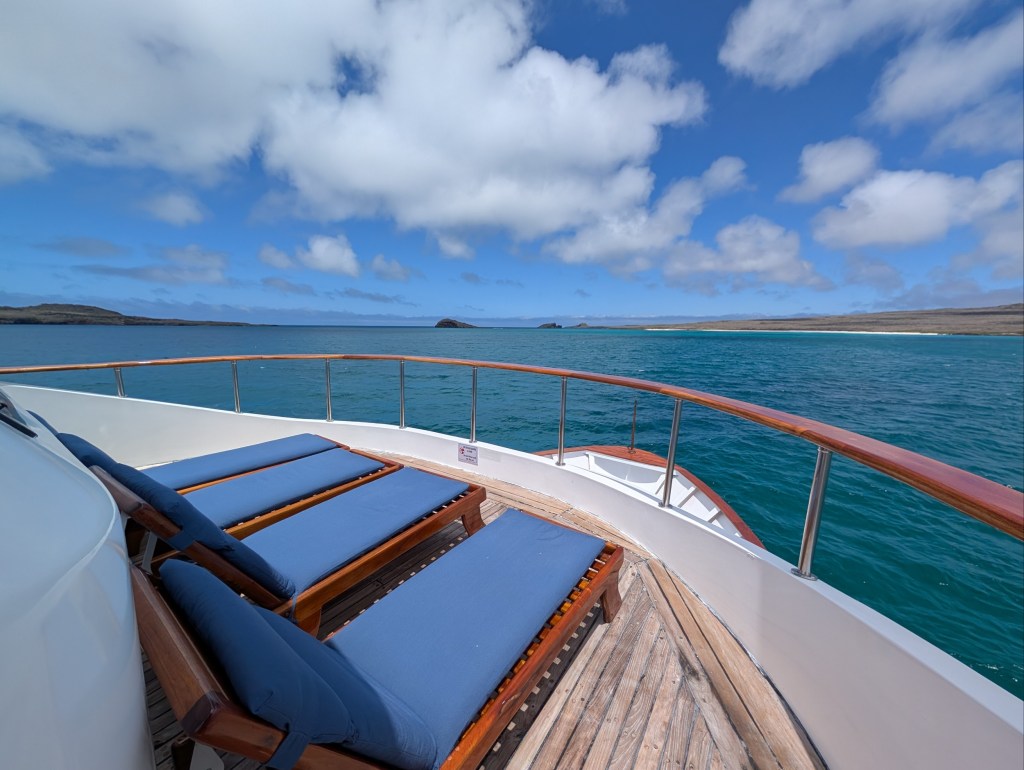
Then, after a few days on my own in Quito, I joined another group of people primarily from Canada and the US. We met in Quito and then together traveled to the Galapagos Islands for an epic 8-day cruise on a mini yacht.
If you read the book ‘The Invention of Nature: Alexander von Humboldt’s New World’ by Andrea Wulf – following the journey of Alexander von Humboldt on mainland Ecuador (and many other things!) – you are perhaps already familiar with the enchanting landscape and geology of the Andes mountains.
If not – this book is a must read for anyone interested in history and adventure (it’s a non-fiction book written by historian Andrea Wulf).
I have also intended to read some of Darwin’s original work – but alas, I haven’t gotten there yet. If you have any book recommendations regarding the voyage of Charles Darwin to Ecuador (in a modern adaptation or similar), please add a comment below! 😊
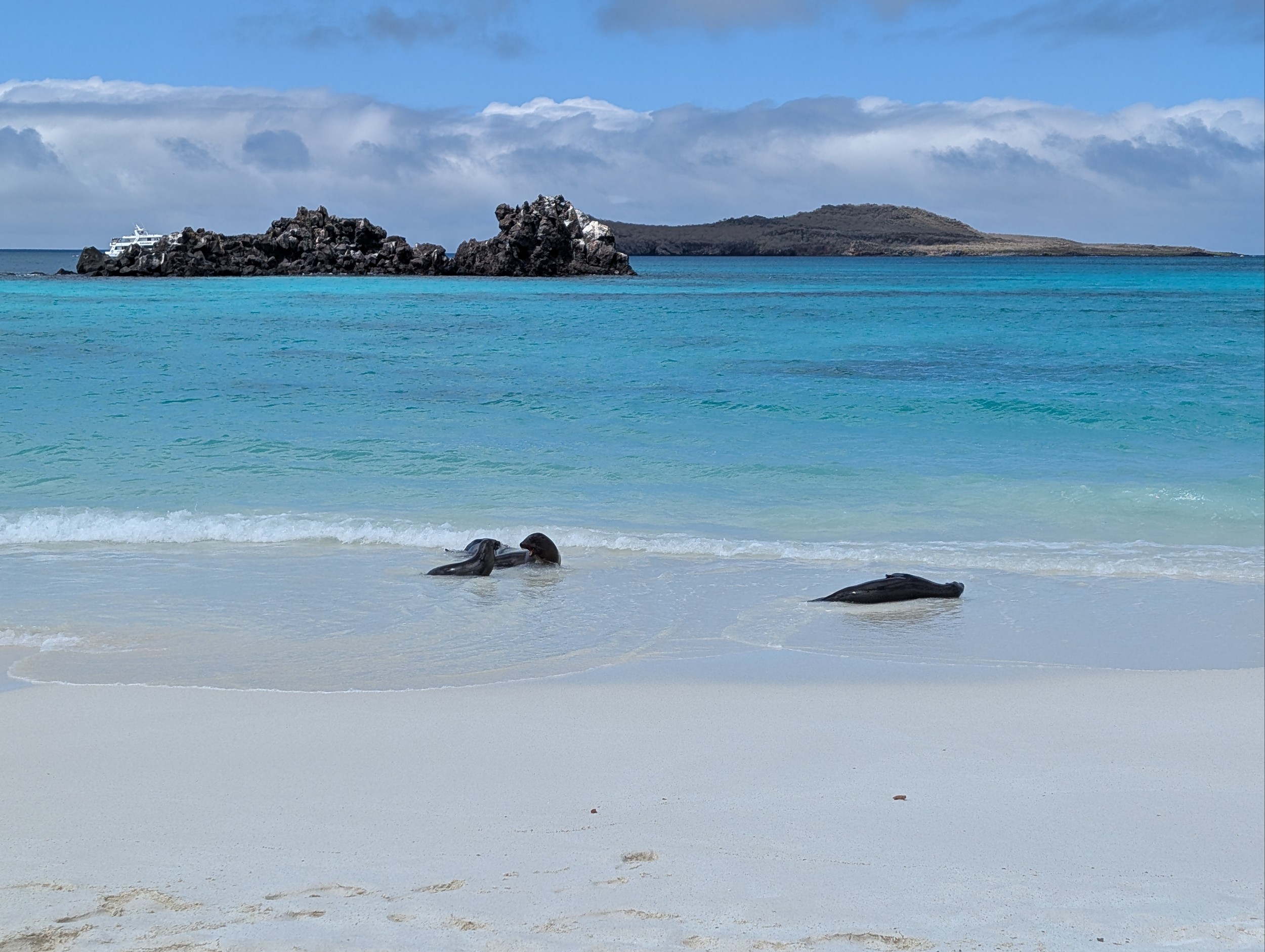
Table of contents
Your quick introduction to Ecuador
As soon as you land in Ecuador, you are already closer to the sky. While the capital of Ecuador, Quito, is not the highest located capital of the World, Quito is almost amongst the clouds. The city is bustling with people, history and colorful houses, but don’t linger too long.. There’s much to explore in Ecuador!
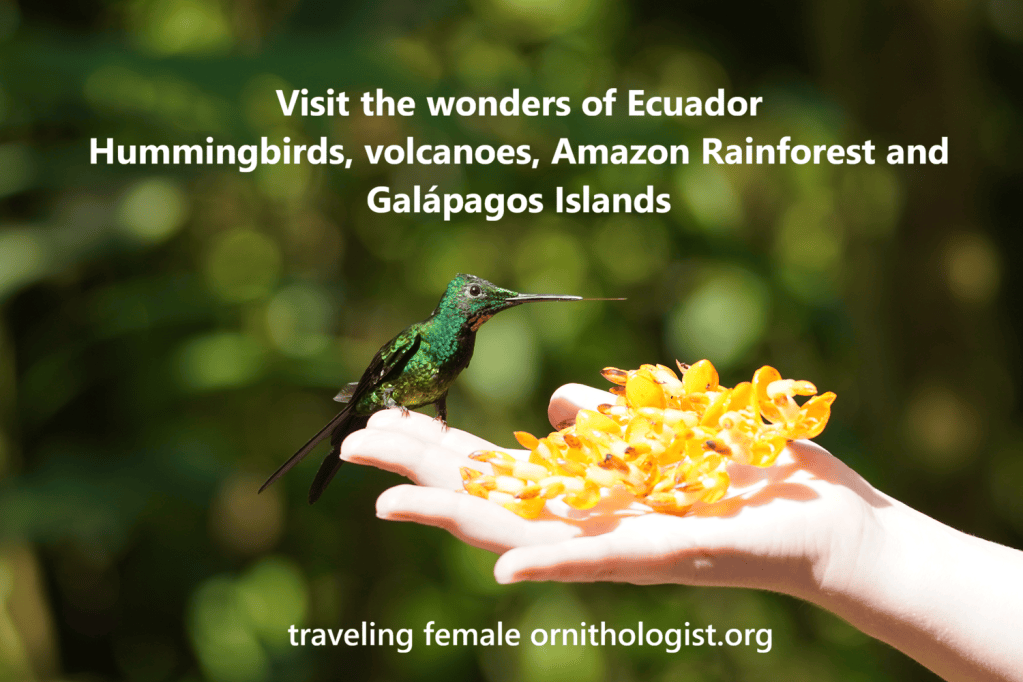
Imagine having your lunch while you admire countless colorful hummingbirds visiting a bird feeder near your table. Then imagine having these hummingbirds perched on your hand, as they feed on nectar from a flower!
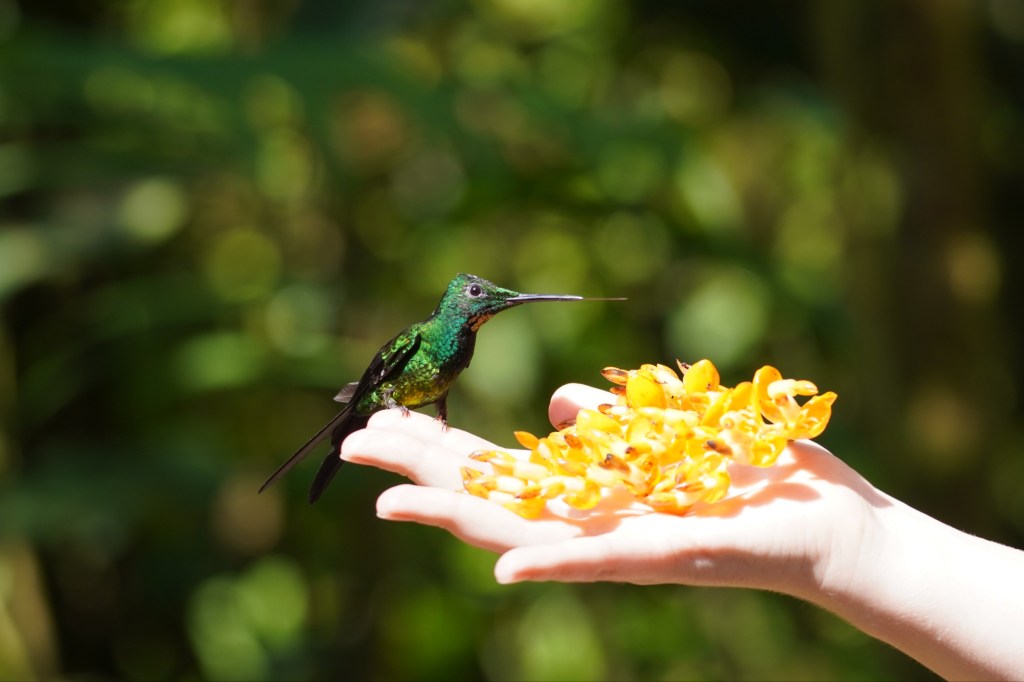
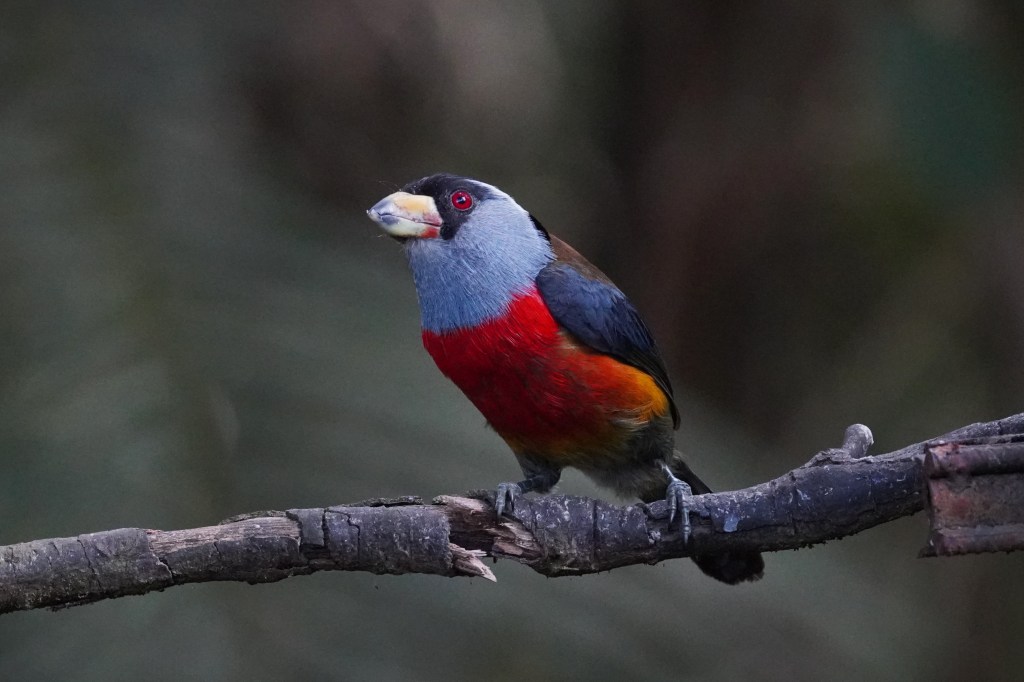
The next moment, you hike around in misty cloud forests together with a local guide in search of the mythical quetzals and toucans. Spotting them makes you ecstatic.
Few days later, you have spent lasting memorable days deep in the Amazonian jungle with indigenous tribes, while learning about their daily lives. All the while monkeys and living dinosaurs chill along the river, as you pass by them in your motorized canoe.
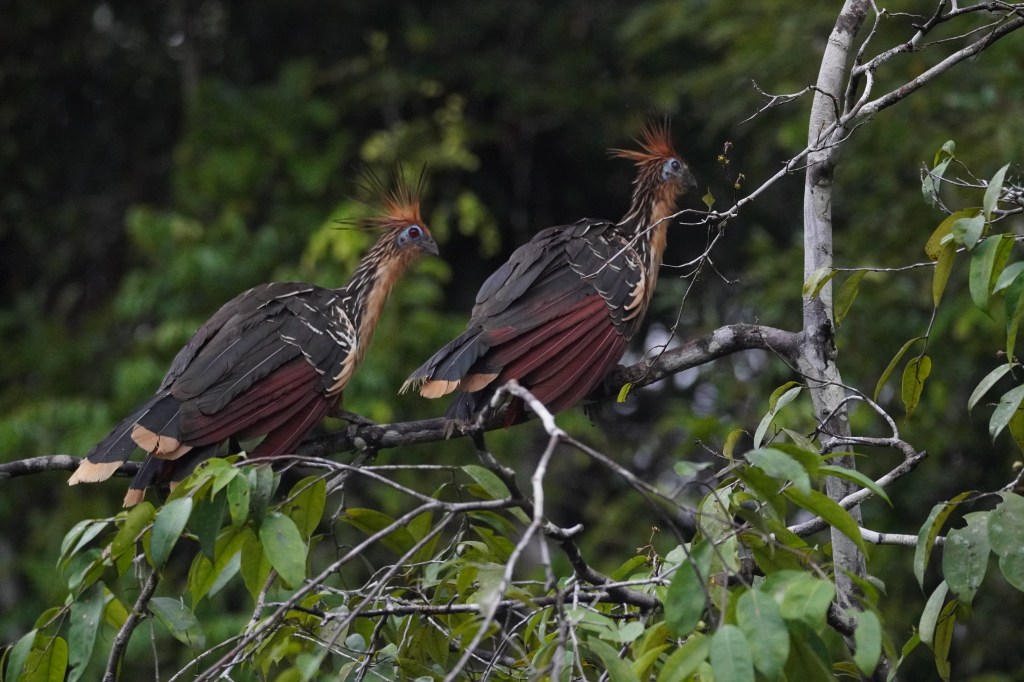
Arrive back in Quito, before departing for your flight to the amazing Galapagos Islands! Way isolated from mainland Ecuador, the Galapagos is truly different from the lush Andean mountains, the jaw-dropping volcanoes and the deep Amazonian jungle..
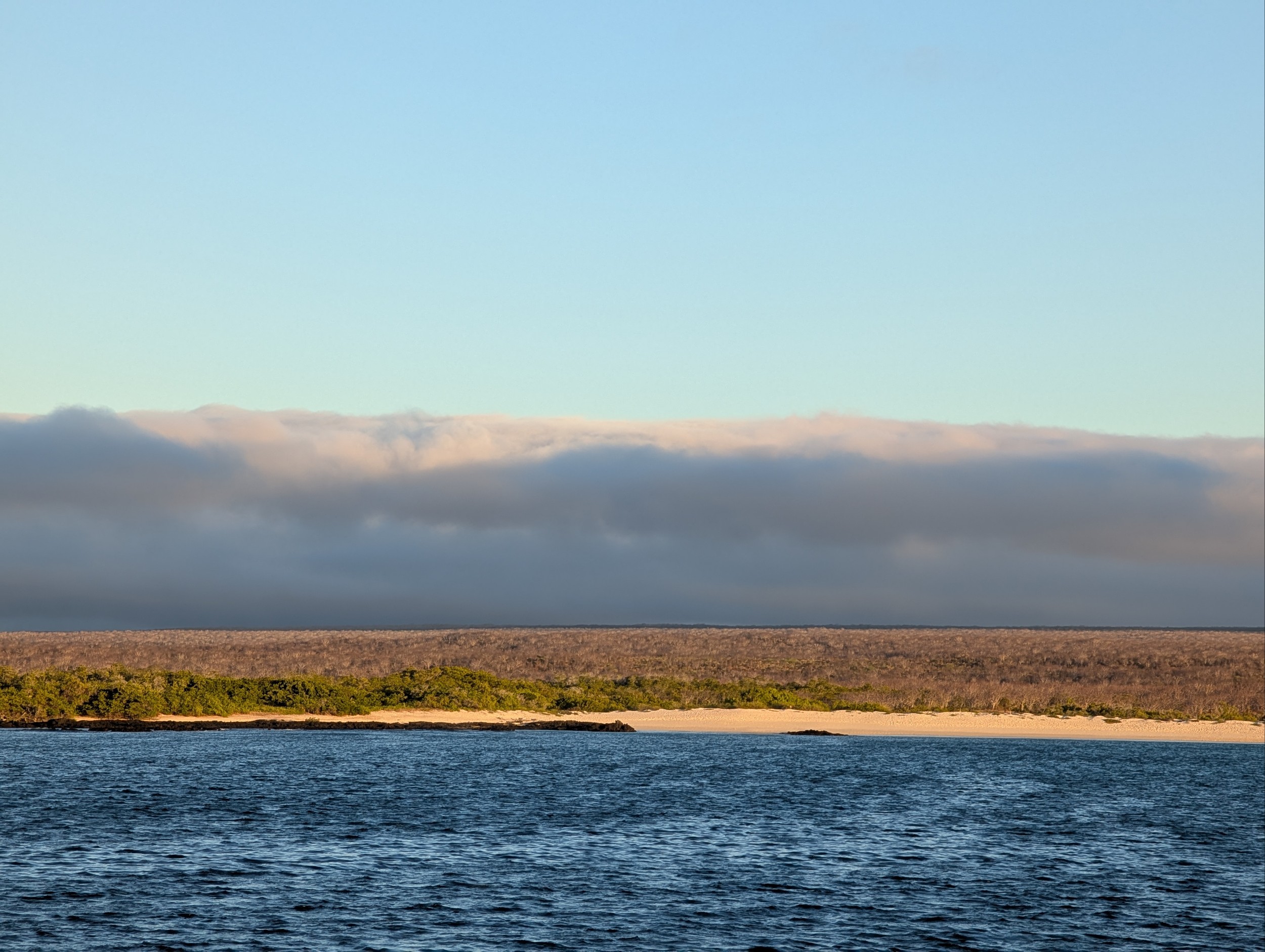
Already as you arrive on Santa Cruz airport, you are greeted by the cacti that provides as a scarce food source for some species of the animal kingdom. Even Darwin’s finches may hop around at your feet as you leave the airport by bus. The commute from the airport is short, if you are heading out to a cruise ship or yacht.
Jump into the sea with your snorkel and flippers, and discover why scuba divers travel this far to experience what the cliffs offer in their abundance of fish and other marine life.
Embark on the journey of a lifetime!
The Andean mountains
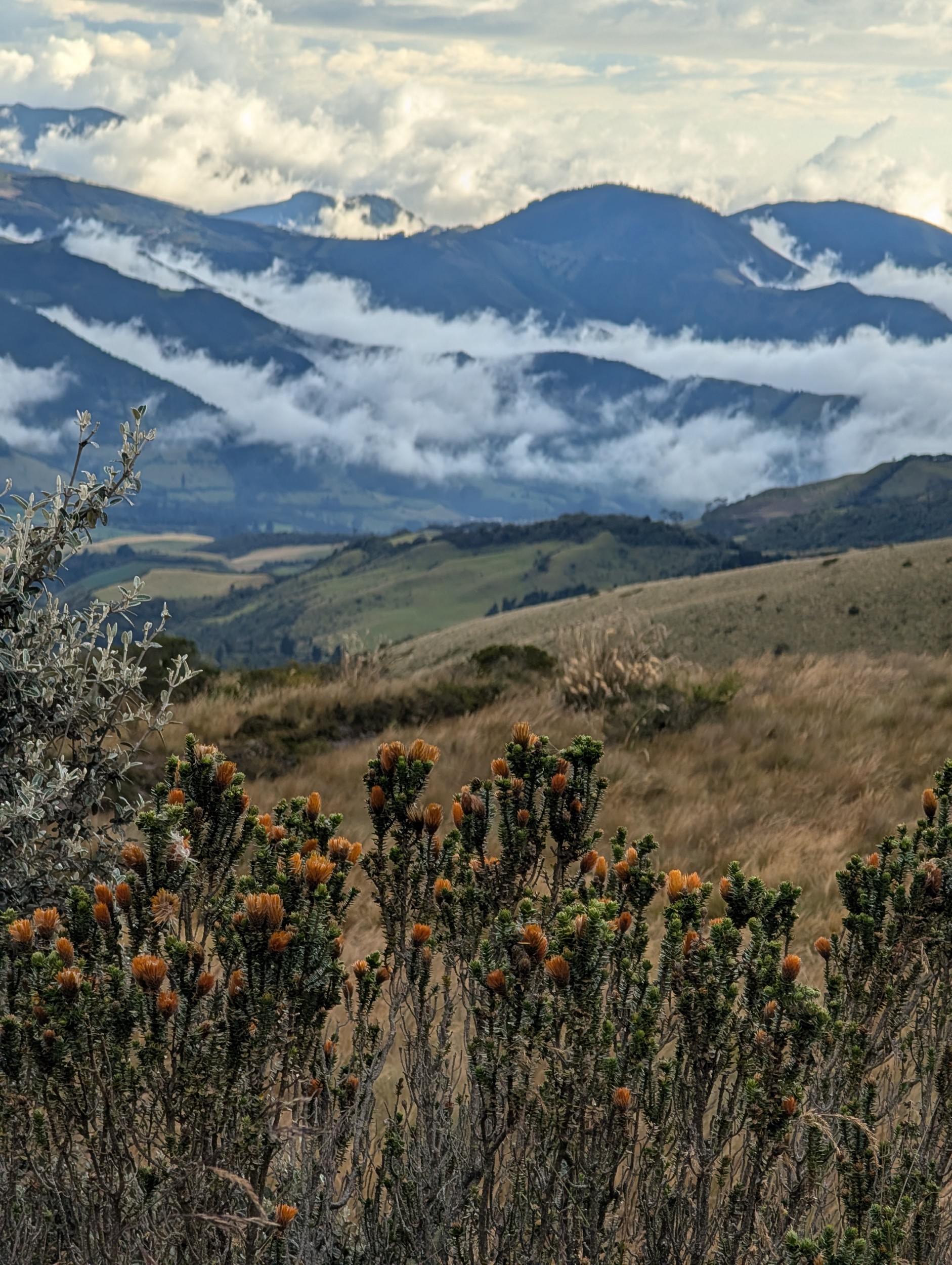
While you already arrive at the airport near Quito at 1,500 meters above sea level, do not rush yourself up the tallest mountains (or volcanoes for that matter!) right away. Unless you already spent some time to get acclimatized to being at high altitudes?
We visited the lodge Tambo Condor in the east Andean mountains as our first stop. Nestled high in the mountains, and with a gorgeous view extending almost all the way to Quito, we enjoyed some chilly first days in Ecuador.
The first morning we saw our first Andes condors soaring high in the sky. We looked out for wildlife, but a lot of them came to us.
The hummingbirds and flowerpiercers were attracted to the lodge because of all the flowering plants and the hummingbird feeders scattered around the lodge. Later that day our driver took us further into Antisana National Reserve. We passed some white-tailed deer feeding from bushes, and the beautiful raptor bird, the Caracara, searching for food often along the roadside.
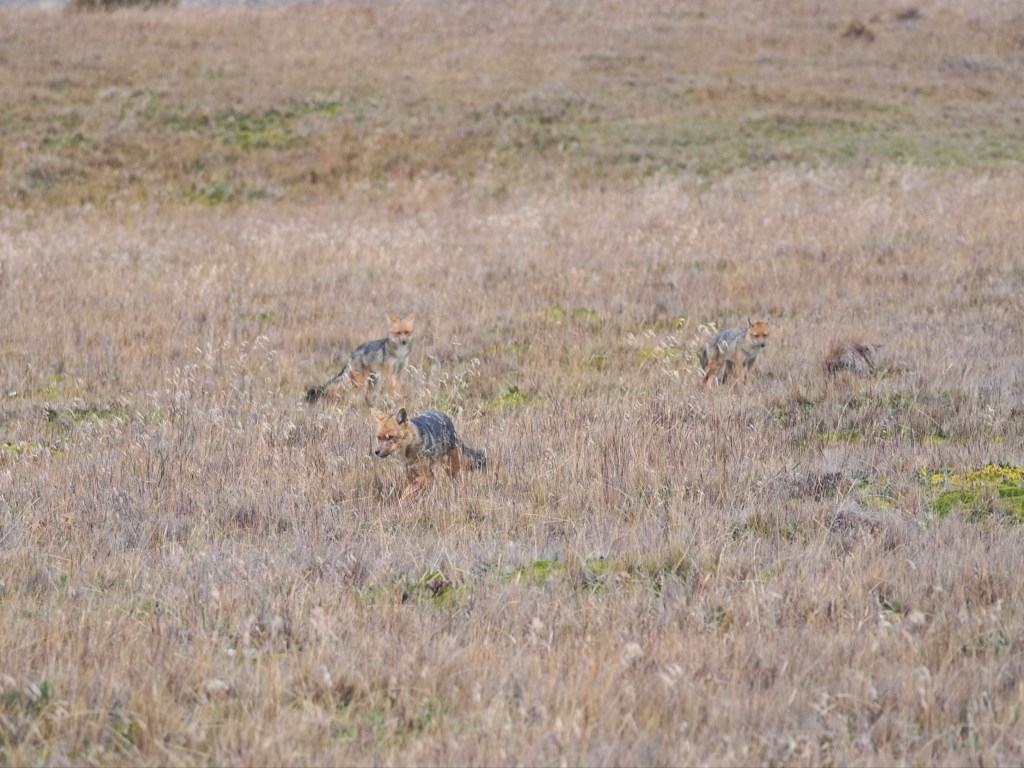
Suddenly one of us spotted Andean foxes, a mother and three large cubs running around in the distance, and we all jumped out of the car with our big lenses to document the sighting. Unfortunately, it started to rain heavily and we continued along the road to the large lake we wanted to see.
Arriving at the lake, we saw a large owl sitting at the entrance to the lake plateau! The rain soon turned to snow, and we had to cut our hike short because we weren’t dressed for it. Here in the Andes mountains the elements taught us a lesson about how swiftly the weather can change.
After crossing Quito, we continued our journey to the western slopes of the Andes. Here, we visited multiple ecolodges nestled in dark and lush forests, sometimes covered in mist or low-hanging clouds (hence: cloud forests).
Being on a guided bird group tour all the way, we felt safe and sound.
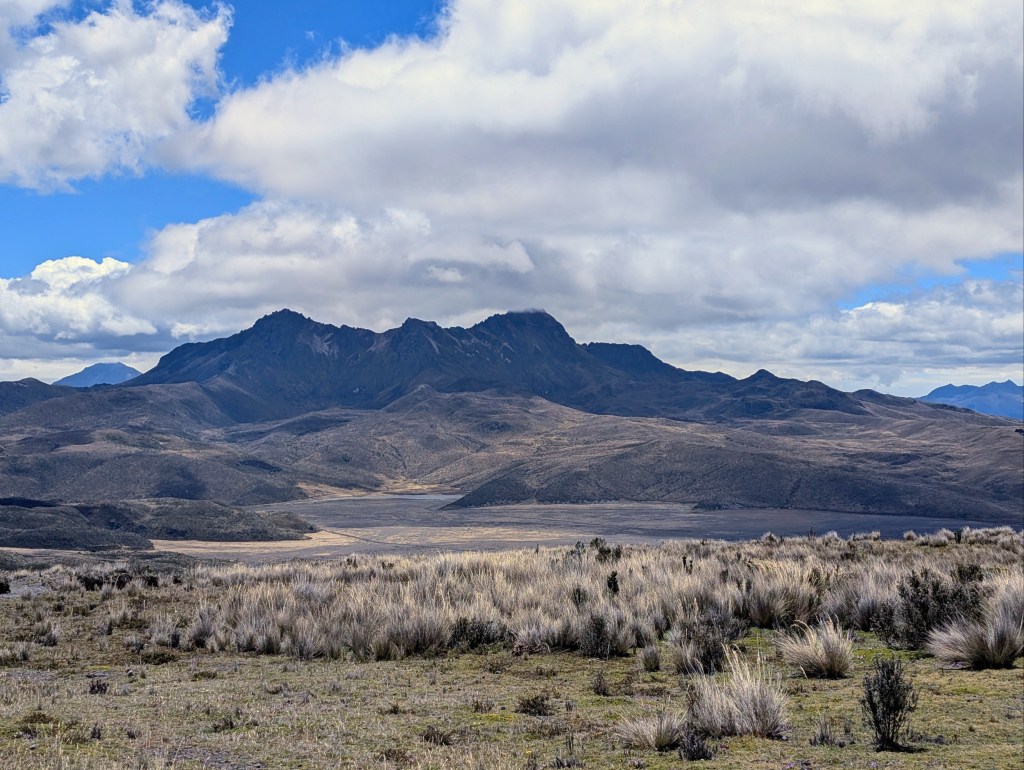
Volcanoes of Ecuador
Did you know that the volcano Chimbarazo in Ecuador technically is the highest mountain on the planet? If you were to summit it, you would be the closest to the sun from anywhere on Earth?
Yes, it is not the Himalayas that are the closest to the sun, but they are the tallest mountains yet.
But Chimbarazo boast the record of being closest to the sun, and this is due to the ellipsoid shape of the Earth. The Earth does not have an entirely smooth surface, as you may already know. It is also not round as a basketball, but the shape is ellipsoid.
This is also why you must wear high SPF protection when you spend time outdoors, as the ultraviolet radiation from the sun on these latitudes are staggering high. The UV-radiation is nearly as bad/high as in Australia! I recommend wearing long-sleeved rashguards or UV-shirts, a broad hat, sunscreen and snug sunglasses.
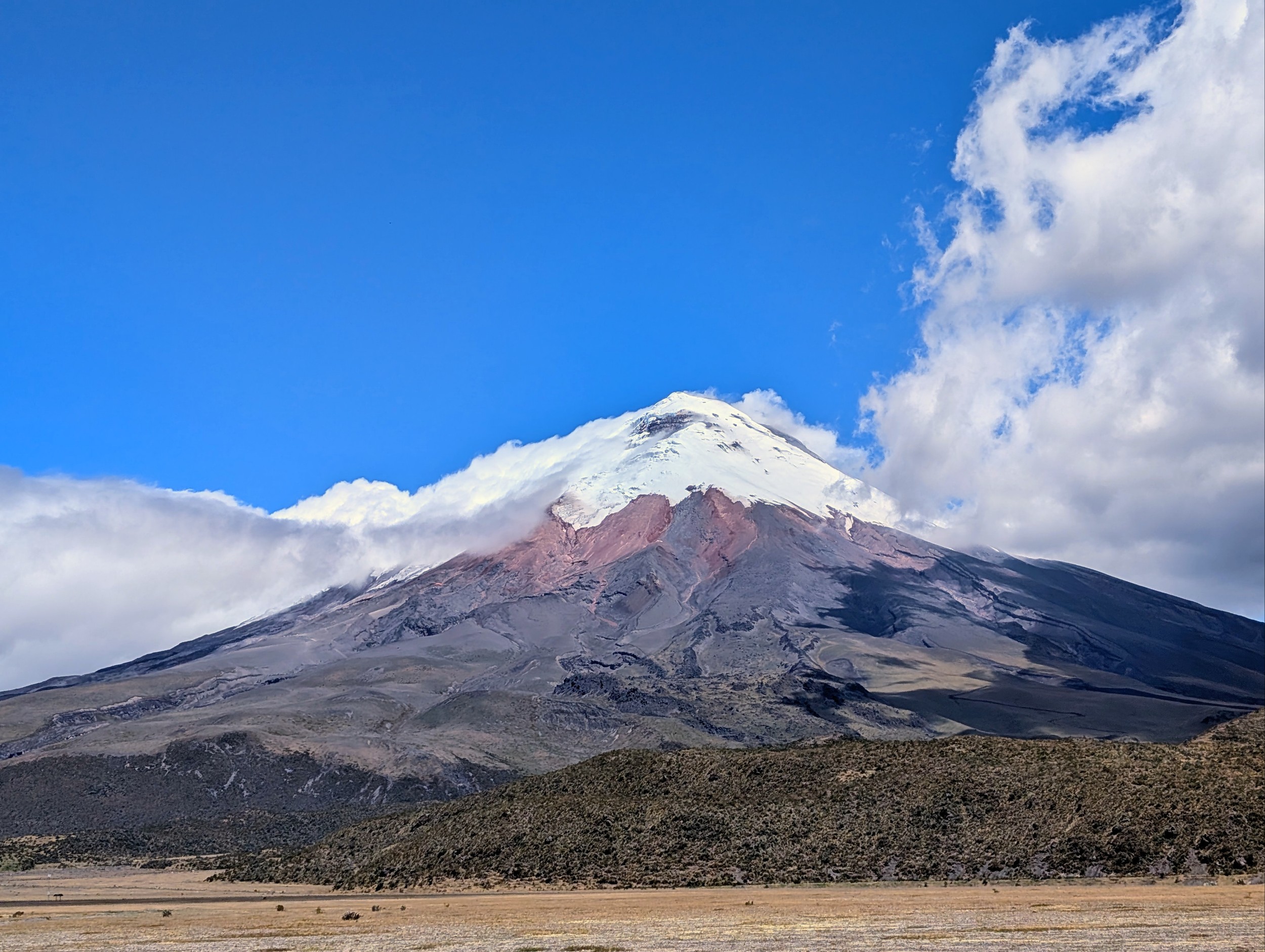
My trip to the mighty Cotopaxi volcano
I visited the Cotopaxi Volcano after my Galápagos Islands cruise on a guided one-day trip, which started with an early morning pick-up. Then we had a quick stop for some refreshments before we entered the national park, where Cotopaxi is situated.
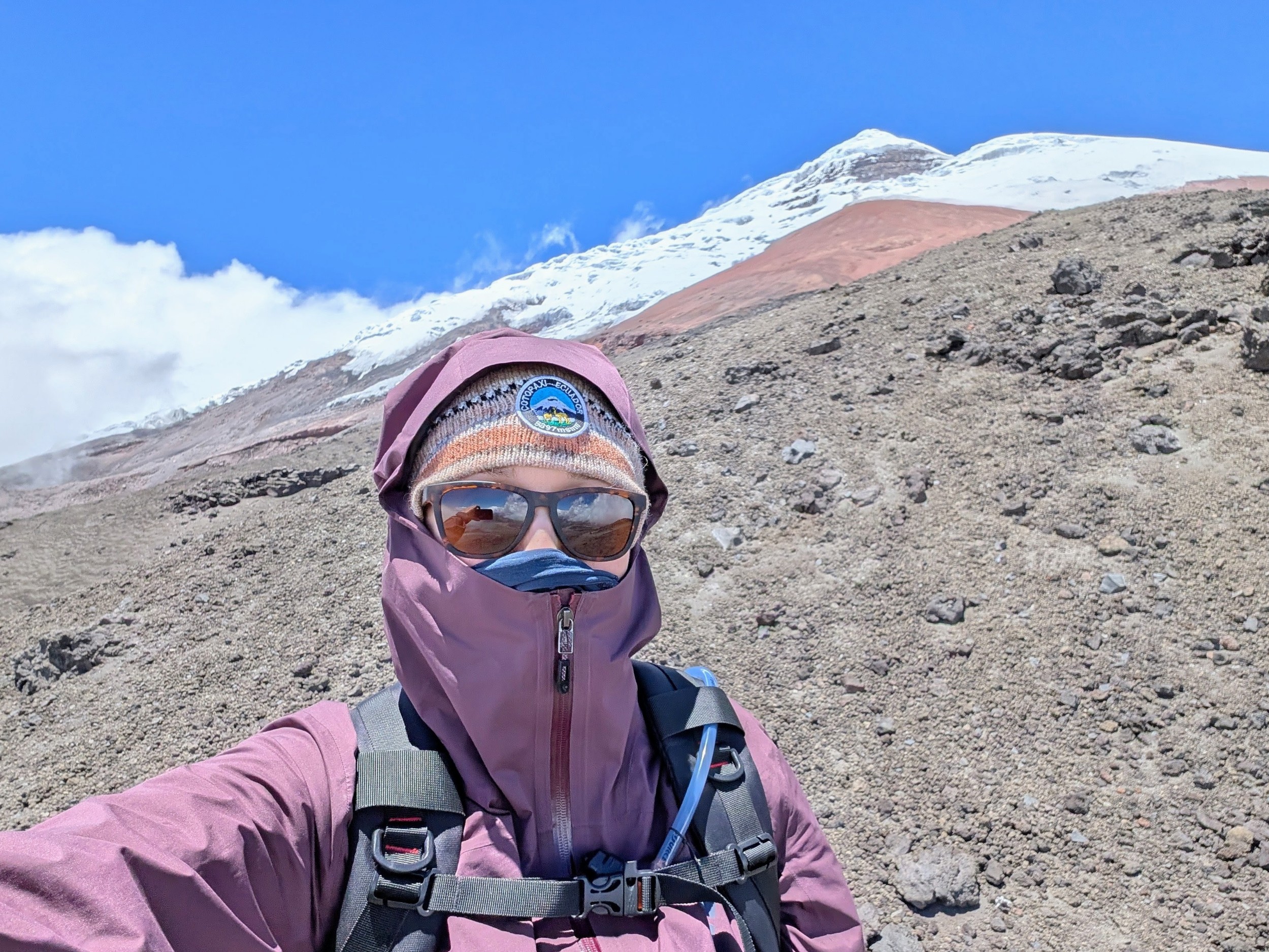
I bought a new woolen hat at the entrance, which would keep me warm on my hike. It was a tough one for me, especially since we hiked at whooping 4864 meters above sea level! The hike from the car park was ‘only’ about 200 meters one way, but it was still challenging for me (as a Dane – we have no mountains!) – also since I had just been mostly chilling on the Galápagos cruise.
Your natural spa experience
The nature of the volcanoes have the additional plus that they serves as heating sources for the Papallacta Thermal Hot springs. Visit Papallacta on the eastern slopes of the Andes mountains for a natural spa experience! It reminded me a little bit about the hot springs on Iceland (Blue Lagoon).
Amazon forest reserve
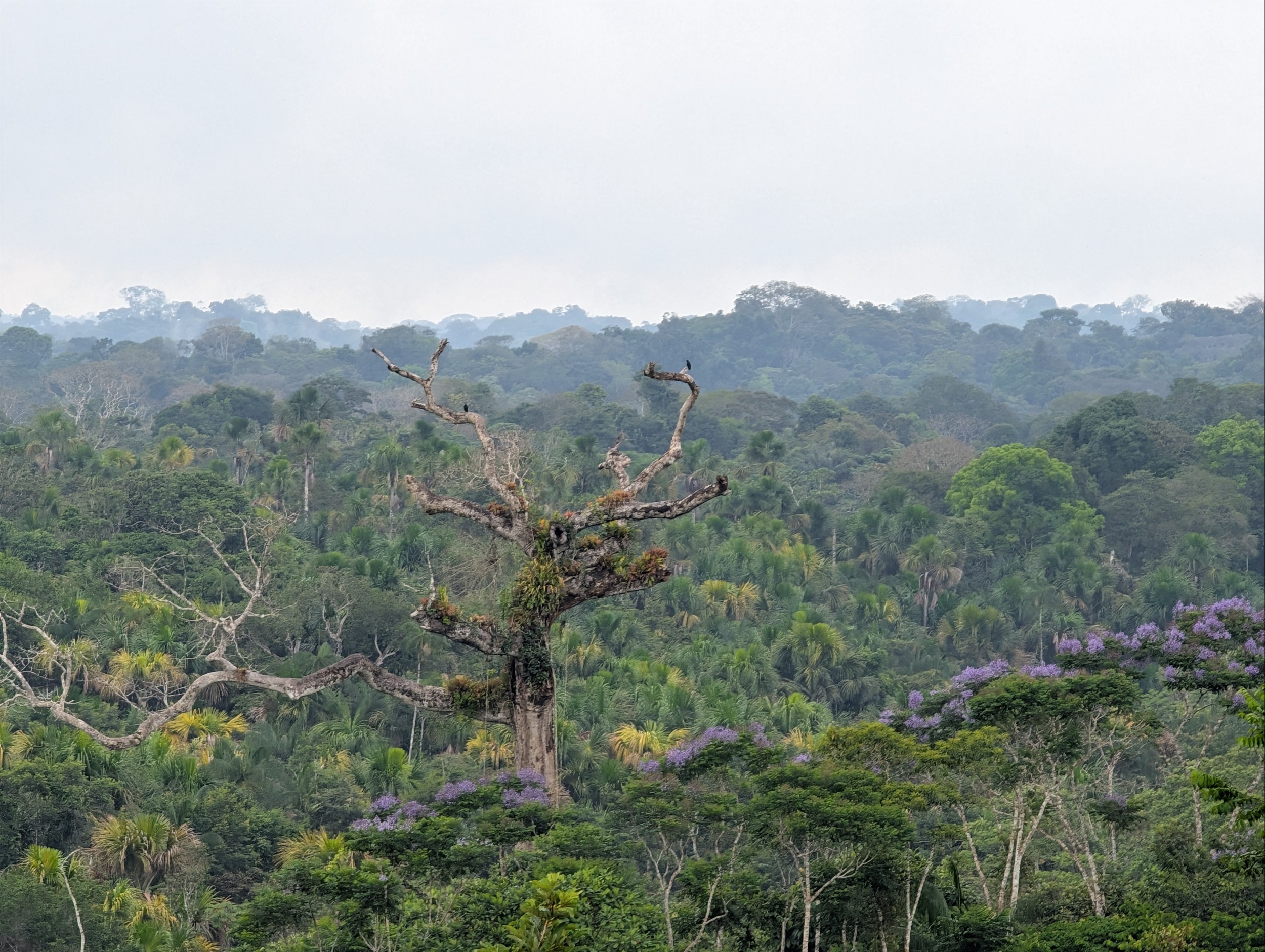
As part of our guided bird tour in Ecuador, we were to visit the famous Amazon rainforest. The Amazon forest stretches far and wide, and covers almost the entire Amazon basin of South America.
The Amazon rainforest is vast, but under high pressure from habitat destruction. The Amazon rainforest covers Bolivia, Brazil, Colombia, Ecuador, French Guiana, Guyana, Peru, Suriname, and Venezuela. Ecuador is the country with the smallest part of the Amazon, only 1 %!
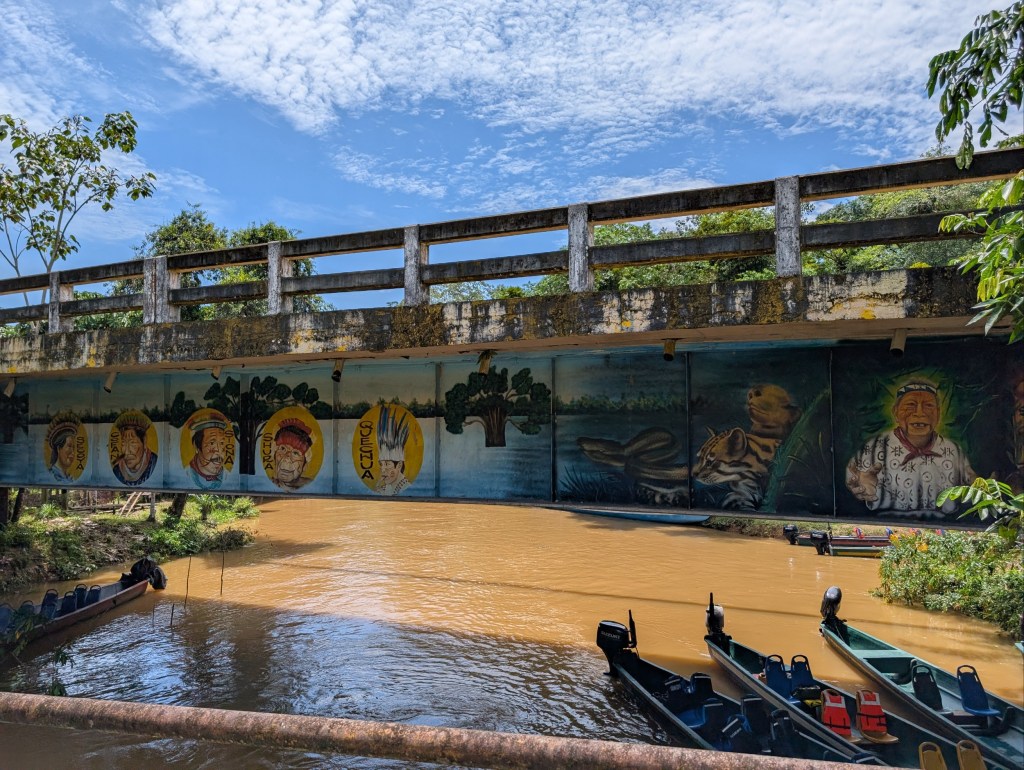
350 different ethnic groups are found in the entire Amazon rainforest, and we were visiting one of these groups – the Siona. There are so many interesting things to learn from and about the Amazon rainforest, and I think this Wikipedia page has a great page about it.
There is no better way of learning from the Amazon – than visiting it yourself! Guided by indigenous people that are born in the Amazon forest, and have found a way to protect their heritage by offering guided tours into their hidden societies and teaching us ways of the rainforest. The Amazon Rainforest is truly mesmerizing!
Did you know?
More than 56 % of the dust fertilizing the Amazon soil comes from sand from the North Sahara! Phosphorus is found in the dust, and is important for plant growth. How cool is that!
My journey to the Amazon Rainforest of Ecuador (Cuyabeno Reserve)
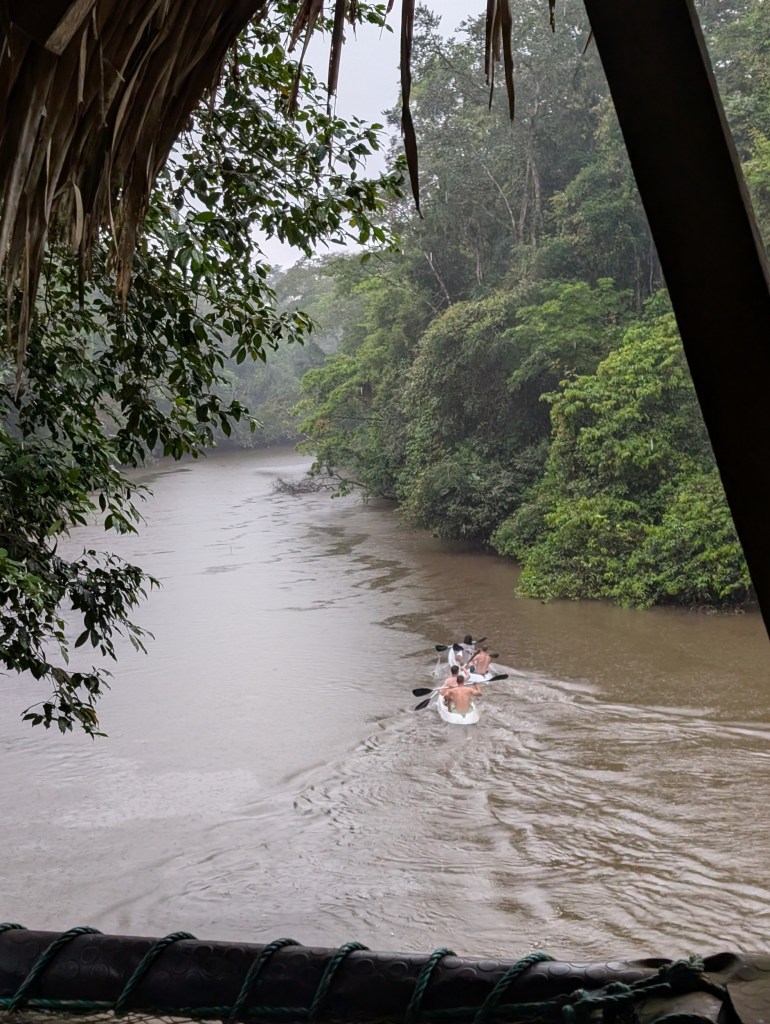
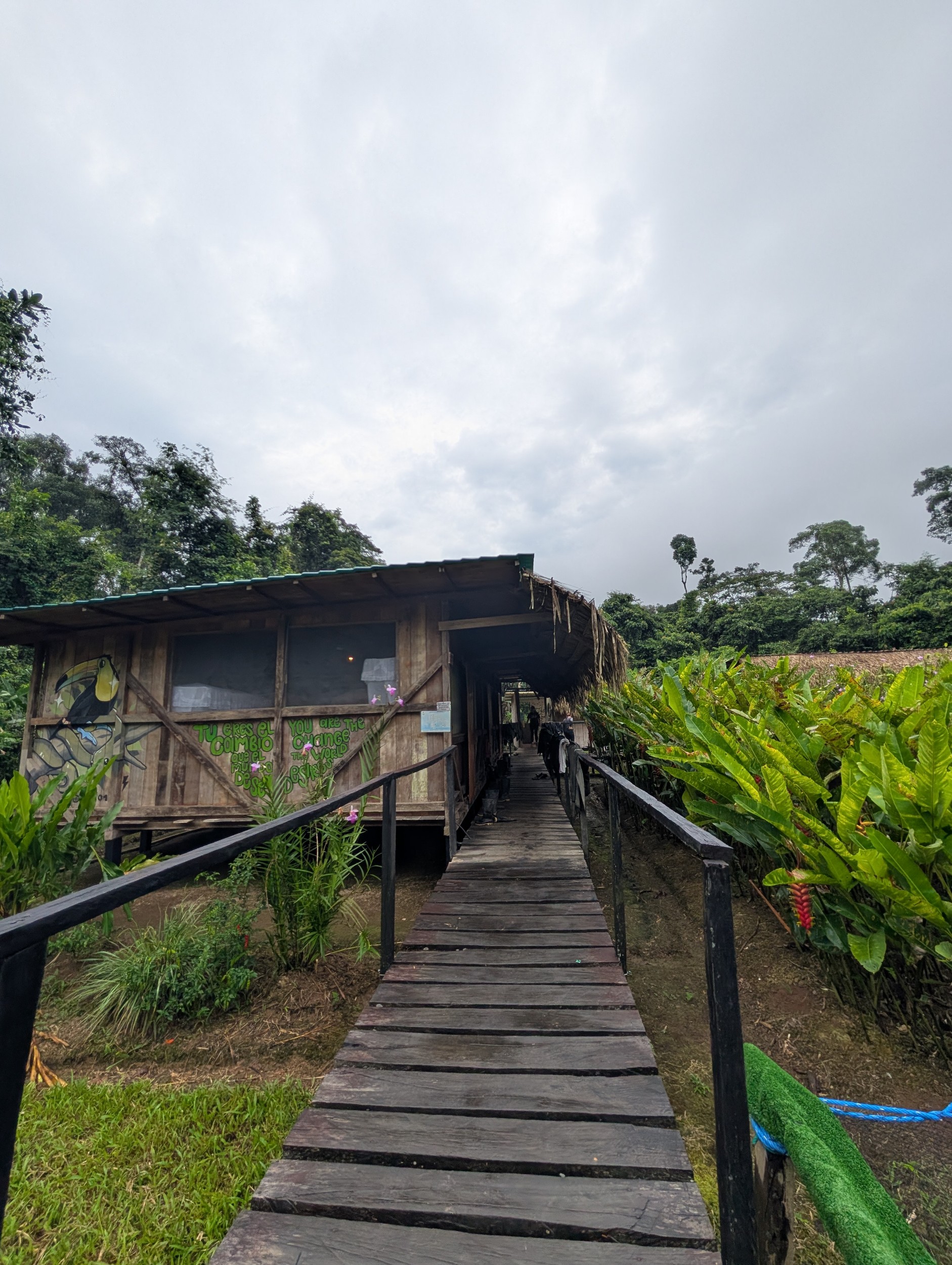
We embarked on our Amazon-trip from Quito, where a night bus would take us far into the territory. Then we changed to another bus, and arrived in the early morning for a breakfast at the edge of the forest. Hereafter, we were transported by motorized canoes to our lodge – Toucan Lodge. On the way along the Cuyabeno river, we already saw the elusive pink river dolphins!
The best day was without doubt the first, as it had not started to rain – yet. We cruised on the river and saw sloths, four species of monkeys, hoatzins, a green anaconda, more pink dolphins, and kinkajou (a nocturnal species of mammal) – a species which I had already encountered when I was volunteering with wildlife in Guatemala in 2018.
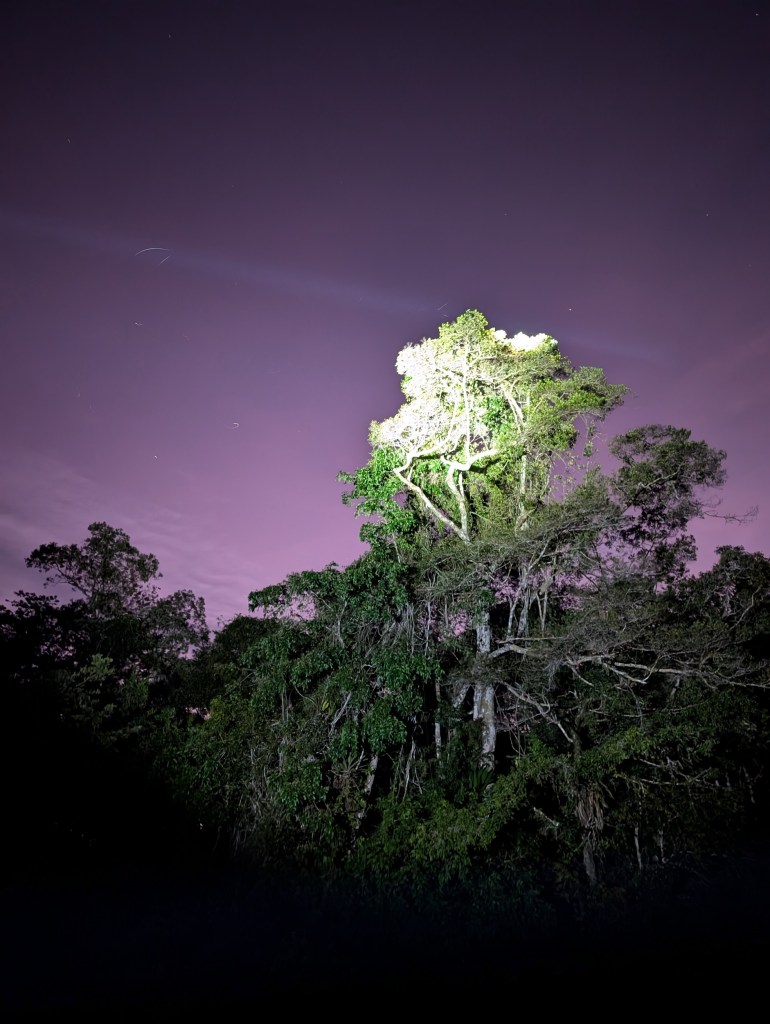
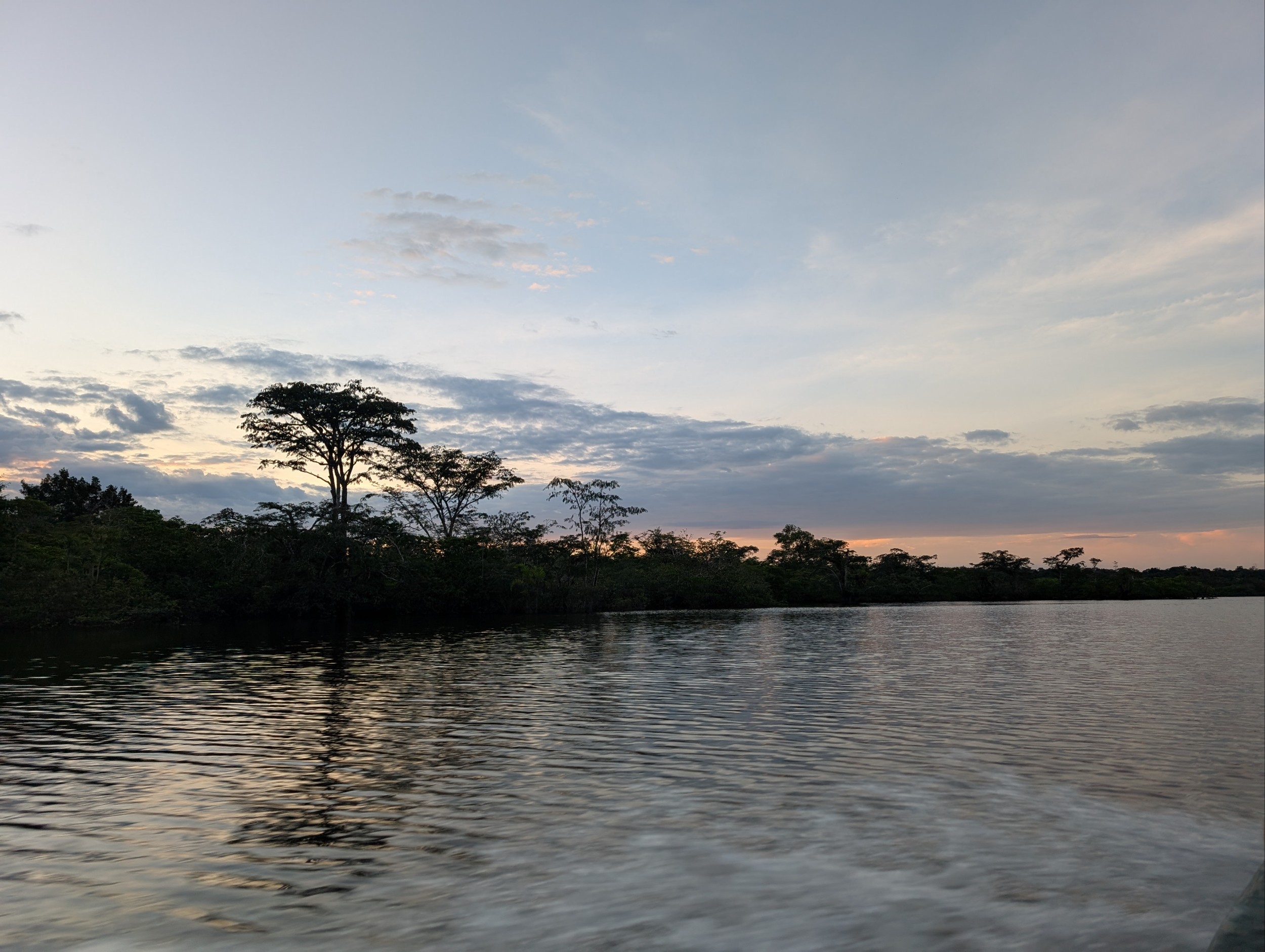
We swam in the big lake that had formed during the rain season, and then dries out when the rain diminishes. For the first sunset we joined a big gathering of tourist boats and canoes in the lake, and the vibe was just great. Once we sailed back, darkness had fallen and we searched the trees and banks for caimans and nocturnal creatures. Thousands – if not millions – of insects swarmed at the light of our torches, and bats were foraging on the insects above the river surface. It was right out of a nature documentary.
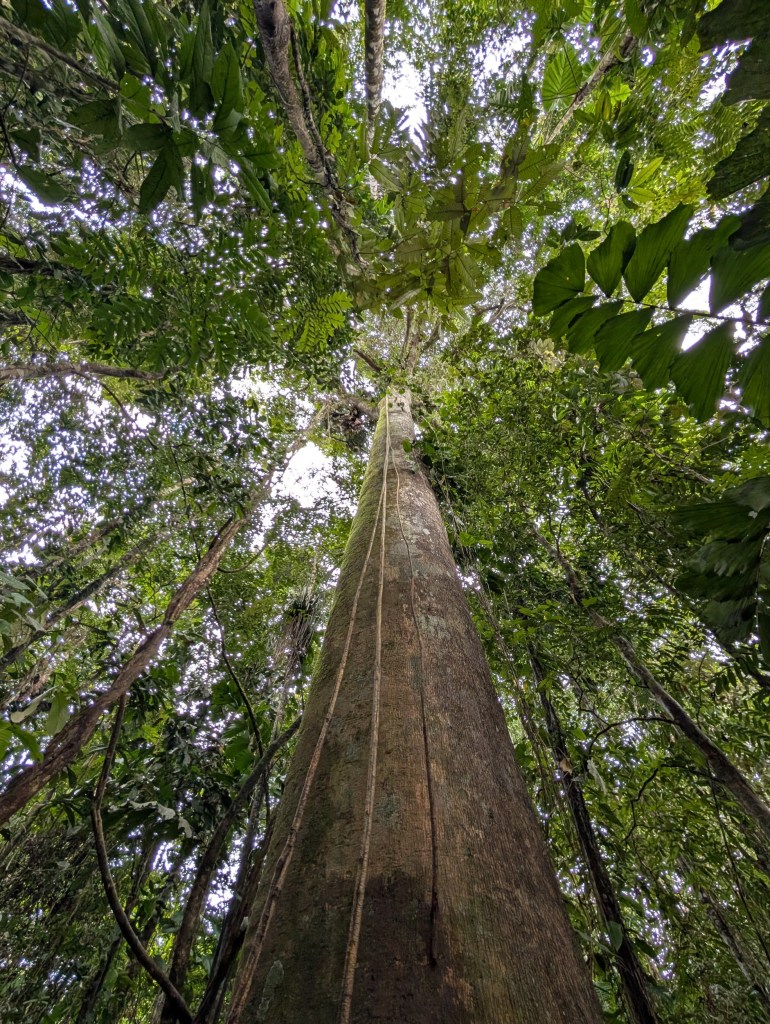
The next day we had a short hike with our local guide in the surrounding forest, where he showed us different plants and explained their uses. He found bullet ants – known for their extremely painful bites. There was tree climbing and and swinging in lianas, and then we hiked in almost knee-deep water amongst thorned trees before we got back to the lodge. We visited at the end of the rain season, so if you visit later in the year than August, it will probably have dried out a bit more.
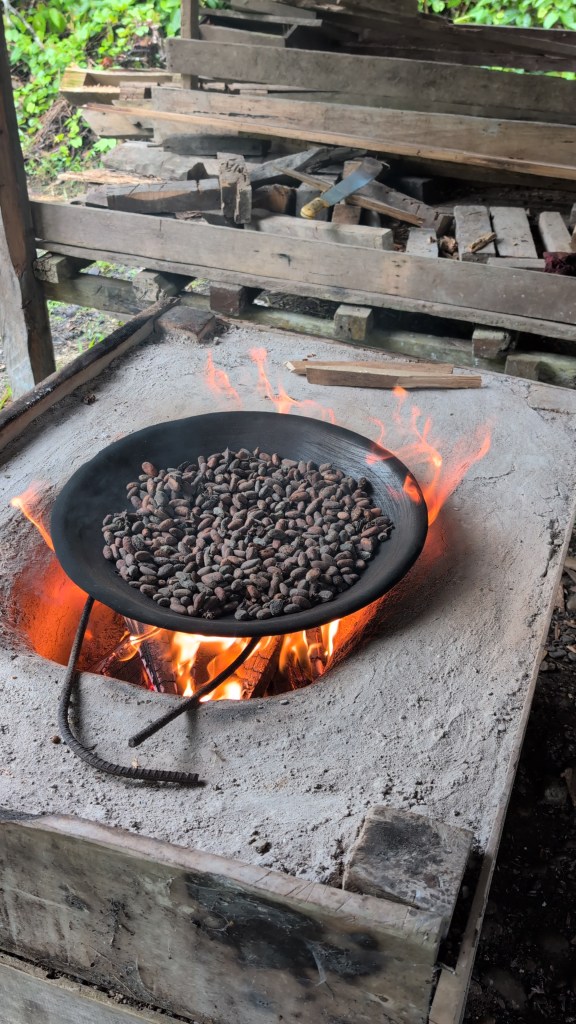
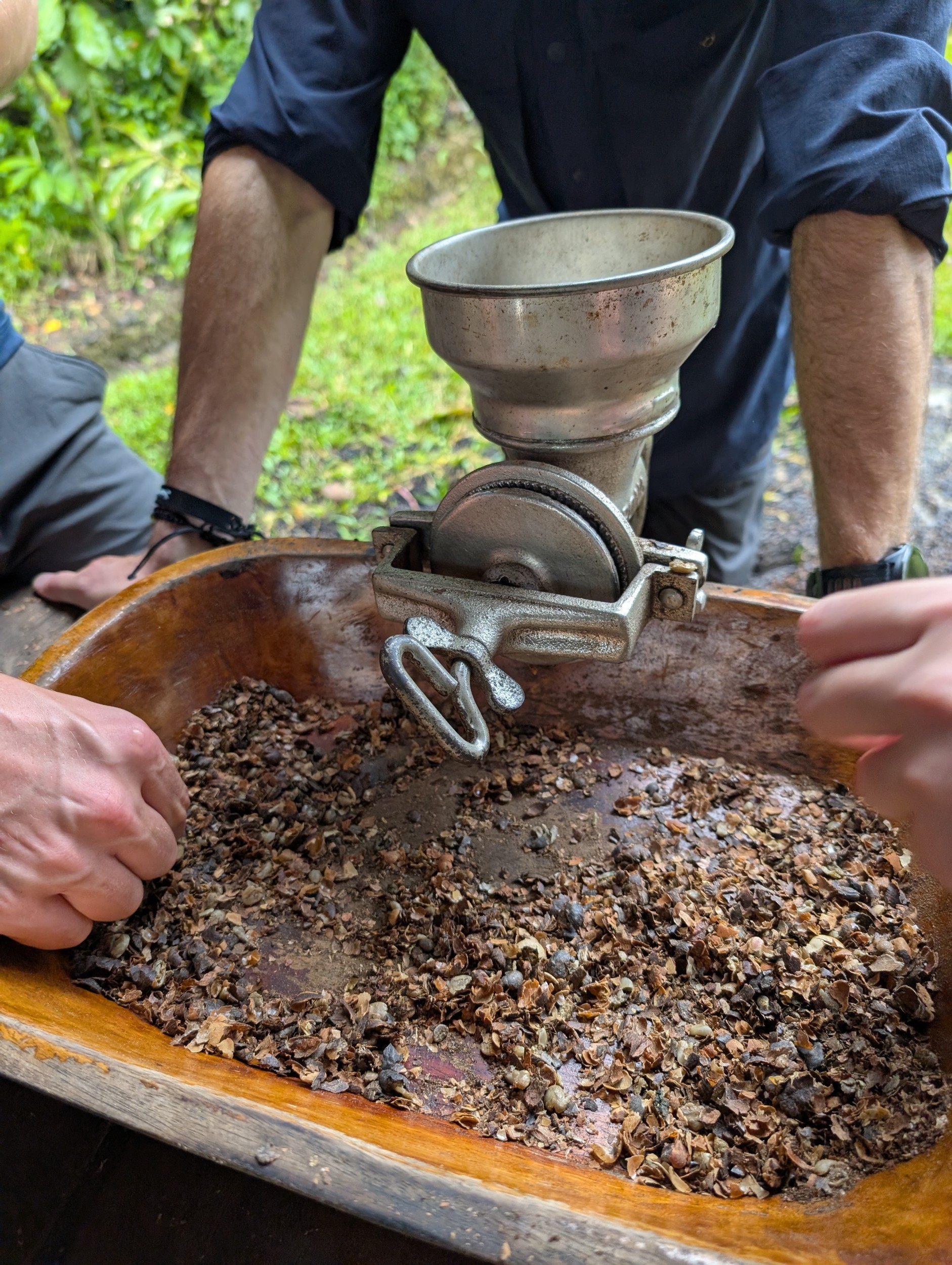
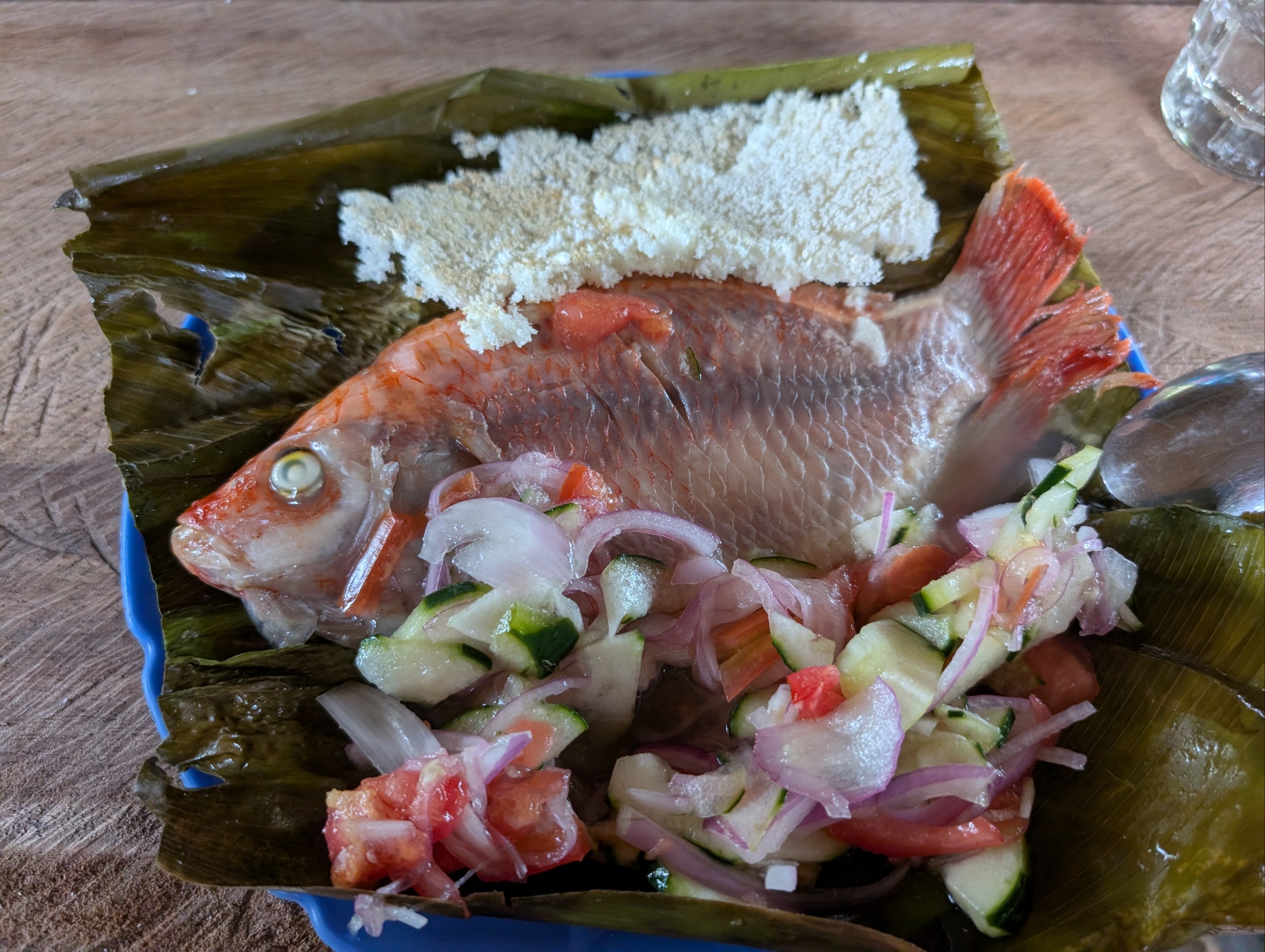
The Amazon rainforest experience also included visiting the indigenous Siona people, learning about their culture, lessons by their shaman and cooking local dishes and buying jewelry created by the local women. We also made coffee and cocoa by roasting and grinding beans at the lodge.
Love this post? Never miss new content on my blog by subscribing with your email – I promise you, there will be no spam. I only post 1-4 times a year.
The wildlife around the lodge also ventured into the common area, where huge wall-climbing frogs and a hairy tarantula joined the party. On their Instagram page (Toucan Lodge) you can also see some of the other animals, that are encountered.
Our visit – and my first – to the Amazonian rainforest was such a great trip, and I have high hopes of visiting it again to experience it during the dry season, where myriads of butterflies gather to the dry river to feed on the minerals from the soil. I would also love to see the colorful parrots visiting the ‘clay licks’ – like the butterflies – in search of minerals.
The Galápagos Islands
Once joined with the new group, consisting mostly of 60+ year-olds, we embarked on a journey to the Galápagos Islands, which are found off the coast of Ecuador in the Pacific Ocean. The archipelago consists of 127 islands of which only four are inhabited islands. There are 18 main islands and the remainders are smaller and newer islands created also by the active volcanoes around the Galápagos. Find a detailed map here on Wikipedia Commons.
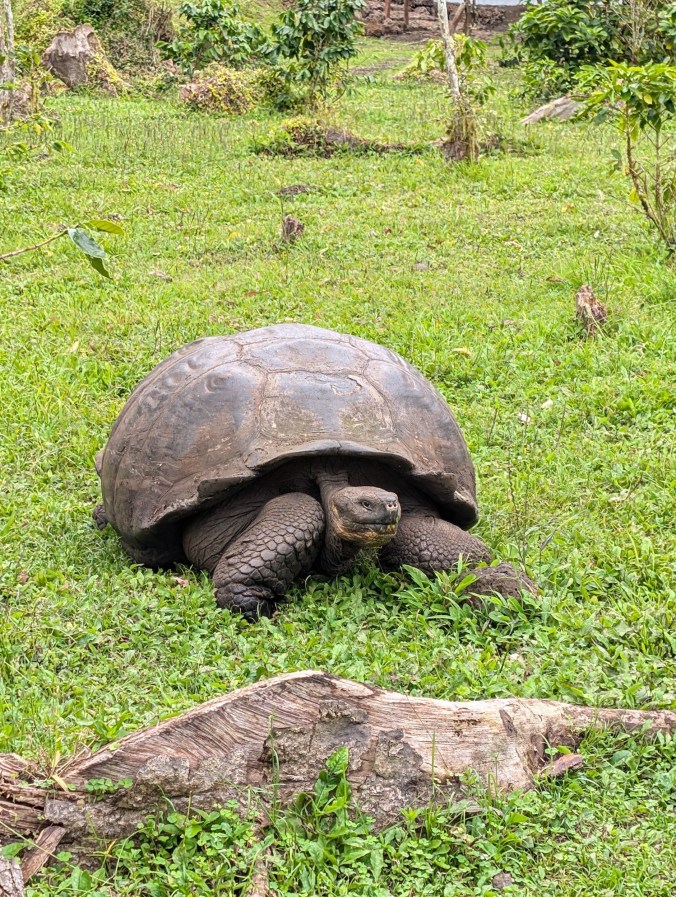
The history, nature and geology of the islands tell fascinating tales of a harsh and uninhabitable environment, where pirates and sailors drove the giant land tortoises to extinction. Again, Wikipedia has a great page summarizing interesting knowledge about the islands.
The chosen itinerary visited the North, Central and South Islands of the Galápagos Archipelago. On this particular itinerary it was almost guaranteed to see almost all of the breeding sea birds of the Galápagos. It can be quite impossible to decide on a suitable itinerary, if you do not have any desirable birds you want to see.
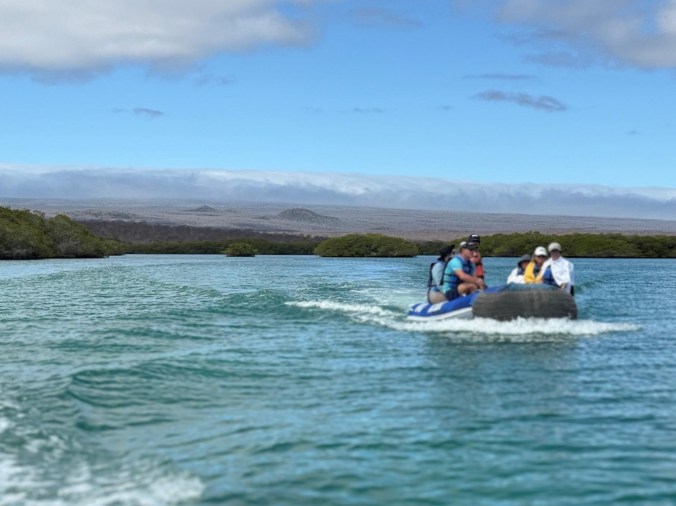
Going on a cruise is the most expensive way of visiting the Galápagos Islands, but for visiting some islands (like Genovesa), it is the only way of transport. Saving up for a cruise is already a lot, and you simply cannot visit all the major islands within a week, which is what most people can afford (7 days or less).
My itinerary – North, Central and South Islands
On my itinerary, we visited Genovesa Island on the second day – we were welcomed by a Galápagos sea lion and the Genovesa mockingbird. One of the first things you will notice once you have arrived on the islands, is how tame the animals are. Sometimes, you feel like you are standing in their way, and then you better get out of it’s trajectory!
The ocean seen from above is opal and turquoise blue. The sand is either white (from crushed sea shells) or black, depending on which beach you stand on. Soon, the sea iguanas pop up everywhere you look; they blend almost perfectly with the black lava stones. Only the vibrantly colored males stand out. They graze on the rocks; both above surface – and below! As you will discover, the sea iguana is one of the many animals you can encounter while snorkeling.
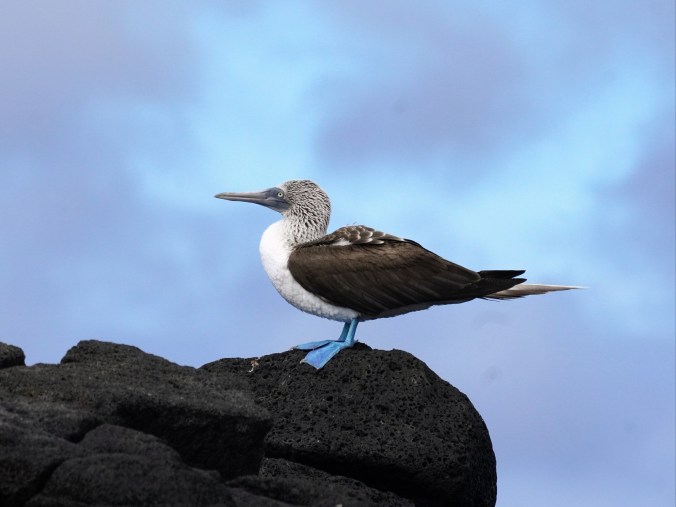
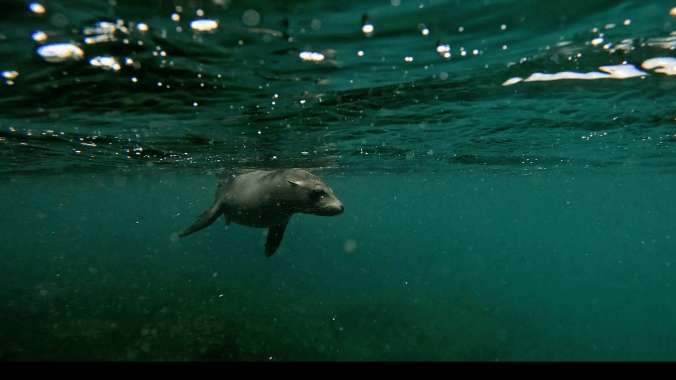
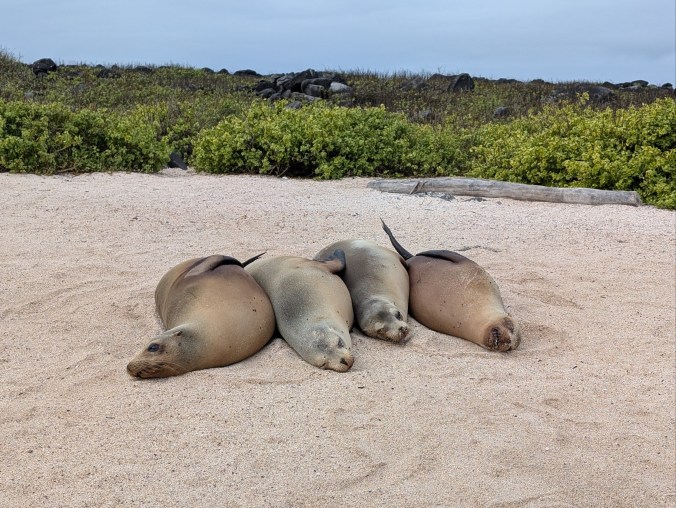
The Galápagos is a must-visit place for wildlife-lovers. It’s uniqueness shines through, from when you snorkel with wild penguins, to when you admire the slow 100-year old land tortoises on Santa Cruz. We saw flamingos, pelicans, hammerhead sharks, two species of seals, red-billed tropic birds, mockingbirds, land iguanas, sea iguanas, rays, green sea turtles, owls, tiny petrels, schools of fish, huge sea stars, waved albatrosses, and much more.
My favorite island was Genovesa – shortly followed by Española island. Purely from a bird-species perspective. I think that Isabela Island (not visited by me) may also offer a lot of the animals that I have mentioned, although the endemic species are only found on one island usually. I didn’t see the flightless cormorant, as it has a rather restricted distribution of the western Archipelago.
Useful links for choosing the right Galápagos Islands itinerary for you
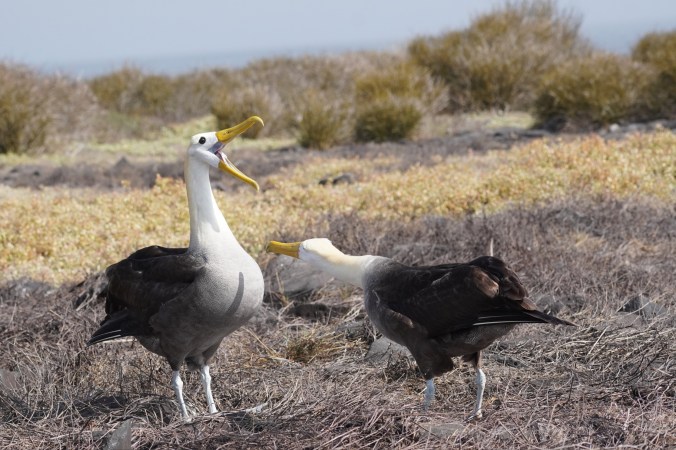
To help you decide on an itinerary, you can list the animals that you need to see. One of my favorite moments were when a pair of waved albatrosses were bonding with each other on Española island – they mimic each others movements to strengthen their bond.
The waved albatross is breeding only on Española island (at least in the Galápagos) and from April to December. I also saw albatrosses with my binoculars when sailing between two islands. I found this blog highly useful when deciding on my itinerary, as well as using eBird for checking the recorded distribution of local bird species.
Thoughts about sustainable tourism in the Galápagos Islands
While the Galápagos Islands are on many peoples’ bucket lists (it was on my wish list for 10+ years for me!), it is important to consider your impact on the environment that such a trip has on a delicate ecosystem such as the Galápagos. While the major catastrophic impacts were done to the islands more than a century ago (when pirates and such captured and eradicated endemic species of land tortoises), harm can still be done to the animals and ecosystem.
Nearly all of the Galápagos are part of a National park; The Ecuadorian government has declared 97 % of the Galápagos Island area as a protected area through the Galápagos National Park.
I also acknowledge that cruises have a high footprint on the environment in terms of pollution, and I think that our small cruise ship (79 feet long) suitable for up to 16 passengers has a smaller impact than a large ship.
Be mindful of your surroundings, and try not to damage corals when snorkeling, do not litter or bring any shells etc. home with you. Find a full list of rules that apply when visiting here, and always adhere to any instructions by your national park naturalist guide. The naturalist guides can receives fees if their guests do not adhere to the rules.
It is the responsibility of Ecuador to decide on the number of visitors to the islands. The possibilities of visiting the islands can technically change at any time, and Ecuador recently restricted the number of days that foreigners can visit per year.
Final thoughts about visiting Ecuador
I hope this post serves as inspiration to visit Ecuador, and experience the many wonderful wildlife experiences it has in store for you. Always be respectful of local people and wildlife – don’t pick or collect flowers/plants/shells or go closer than 2 meters to the (mostly) friendly animals on the Galápagos Islands.
I highly enjoyed being on guided trips to the Amazon rainforest with Carlos, and having our professional driver Jorge taking us safely around the western and eastern Andes mountains, to the Chocó biogeographical region (visiting Un Poco del Chocó) and the capital of Quito.
Whether you decide to visit Ecuador on a guided trip or on your own, I always check the UK foreign travelers advice for any updates.
Have you visited Ecuador, or has this post inspired you to visit? Please add a comment below to add your thoughts 🙂
*None of the mentioned places or experiences in this post were sponsored.

© All photos are my own unless stated and may not be used without permission.