When I bought my Sony a6400 camera in 2020 I upgraded from a Panasonic Lumix, that I have had since 2012. I spent a lot of time deciding between different camera brands, and I read a lot of online reviews about the pros and cons of different cameras. I decided to go with Sony, and since I don’t have anything to compare it with, I still think it is pretty great 🙂

Table of contents
- Why I choose to shoot in JPEG and rarely RAW
- Great features for wildlife photography with the Sony a6400
- Examples of birds in flight taken with a Sony a6400 camera
- Photos during excellent light conditions (Sony a6400)
- Photos in low light (ISO-1000 to ISO-5000) taken with a Sony a6400 camera
- Conclusion
In this post I have inserted some examples from my collection of wild birds I have encountered in 2020-2025.
Most of the photos are from my trip to Australia in 2022, where I spent two weeks on the West coast, four days on Tasmania and three weeks in New South Wales.
I hope that my post can help anyone with deciding on which camera is right for you!
If you want to see landscape photos also taken with my Sony a6400, you may head to my main page about Australia and browse for content.
For the majority of the time I shoot in JPEG, but in fine or extra fine image quality. The photos in this post are inserted in the highest resolution possible from the upload on WordPress.
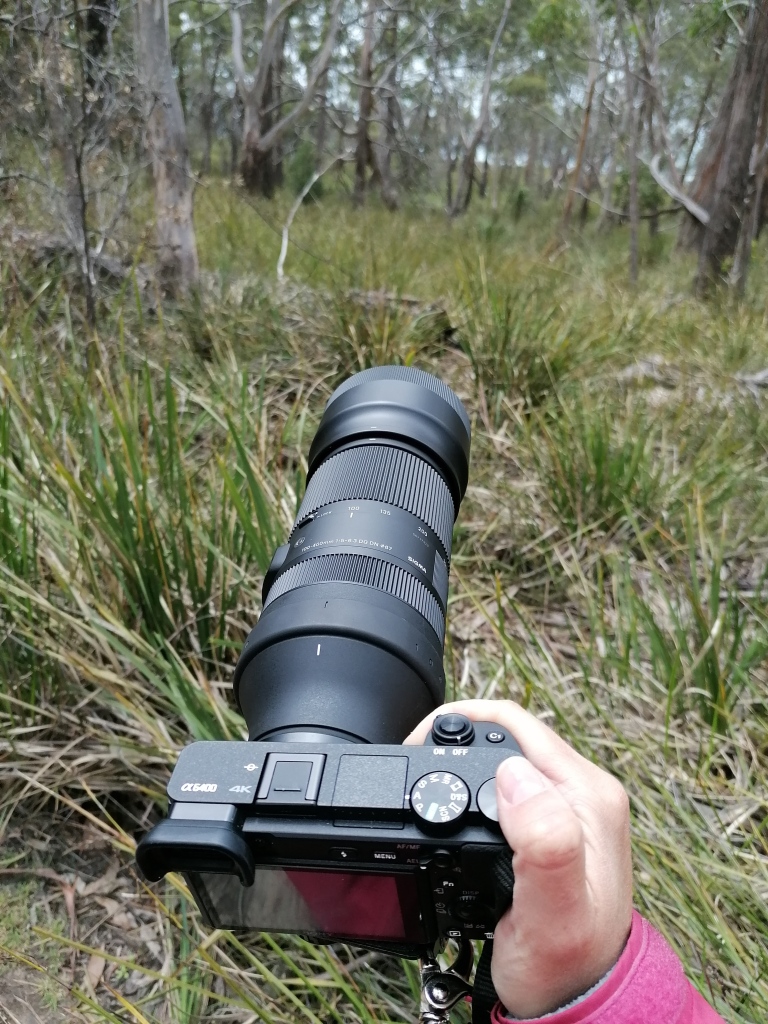
It is possible to shoot in both RAW and JPEG with the Sony a6400, which I did at first. You should shoot in RAW and JPEG if you want the option of comparing between the easily usable JPEG and a RAW image, which must be edited in an image software program.
Great features for wildlife photography with the Sony a6400
The mirrorless camera is super fast and can take a lot of photos within a very short time. It has for example a High and High+ setting that is excellent for bird photography (Drive mode).
The Sony a6400 camera also has some great focus tracking; it can track a small, moving object on the sky (Focus area: Tracking flexible spot), and if you get the focus right you can lock the focus on the animals eye.
Examples of birds in flight taken with a Sony a6400 camera
Birds in flight are not the easiest subject to study in photography. Tracking a small bird against a blue sky can be difficult and requires training and the right settings.
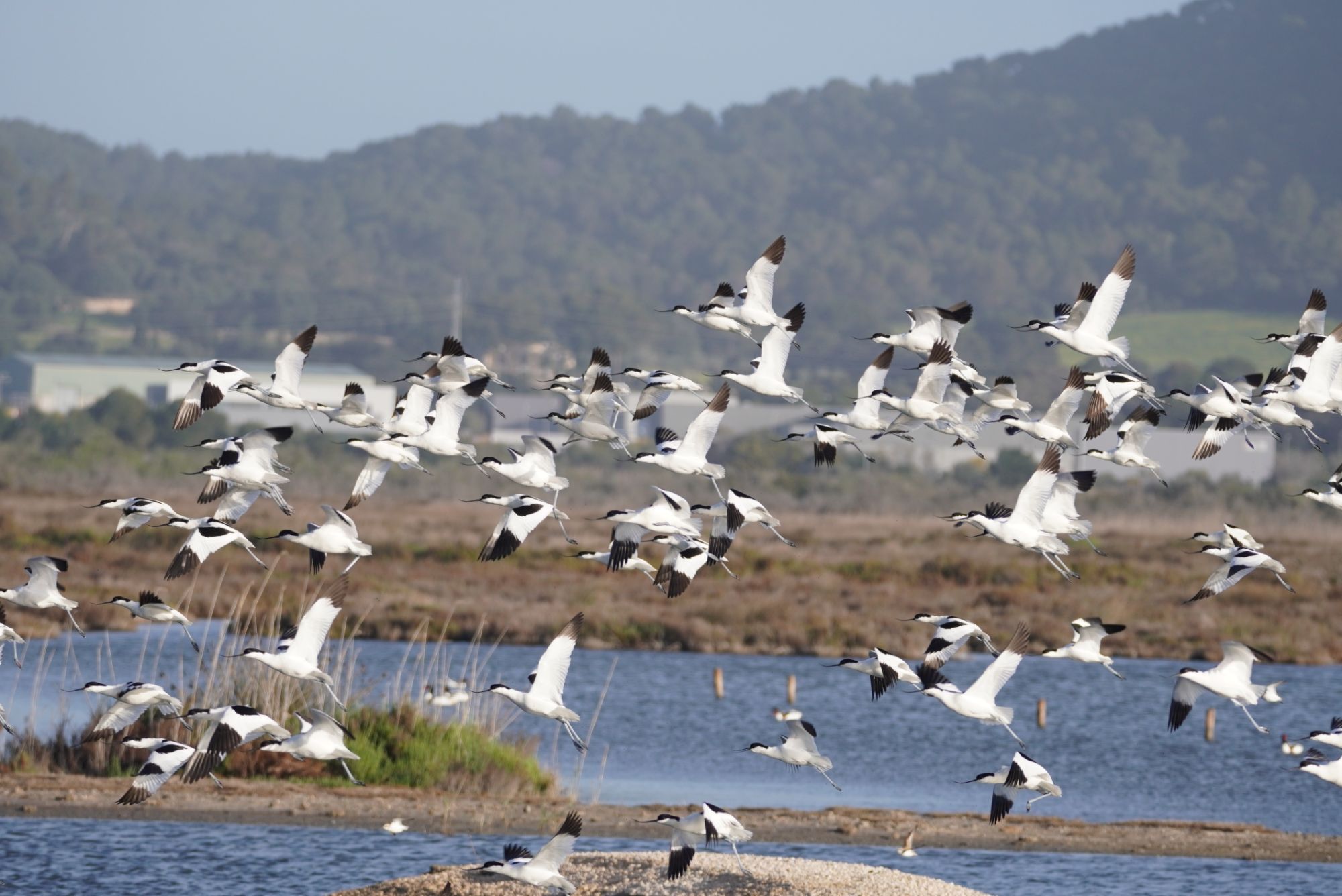
Here is an example of birds in flight from Mallorca from my trip in 2024, when a marsh harrier startled all the waterbirds:
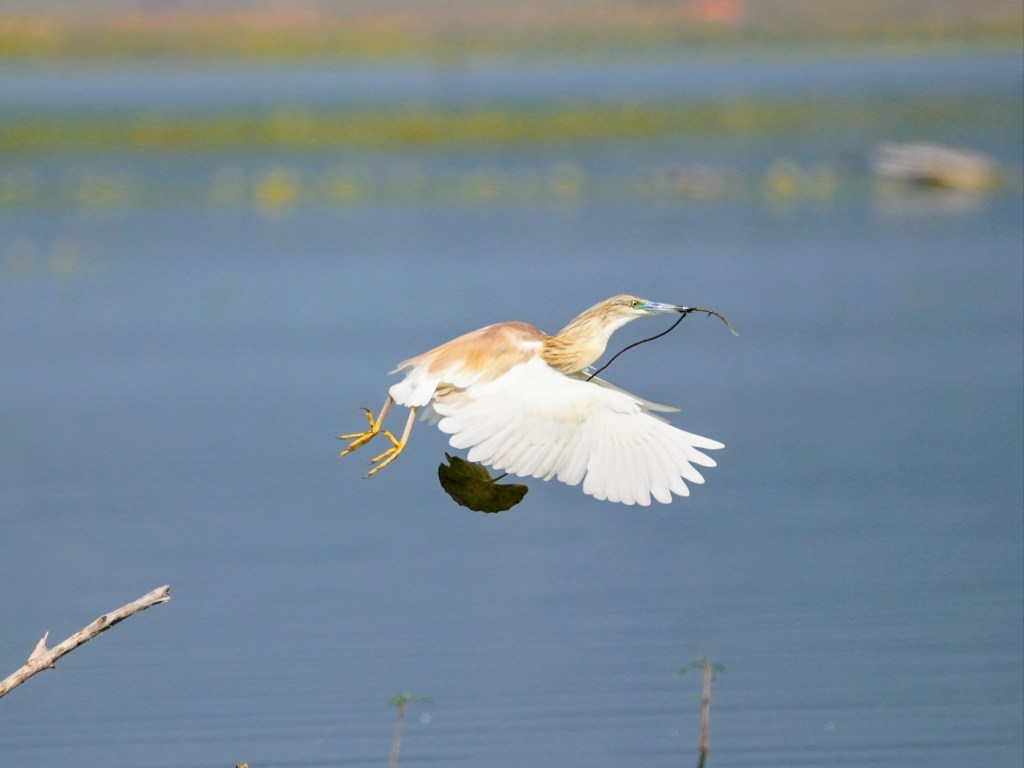
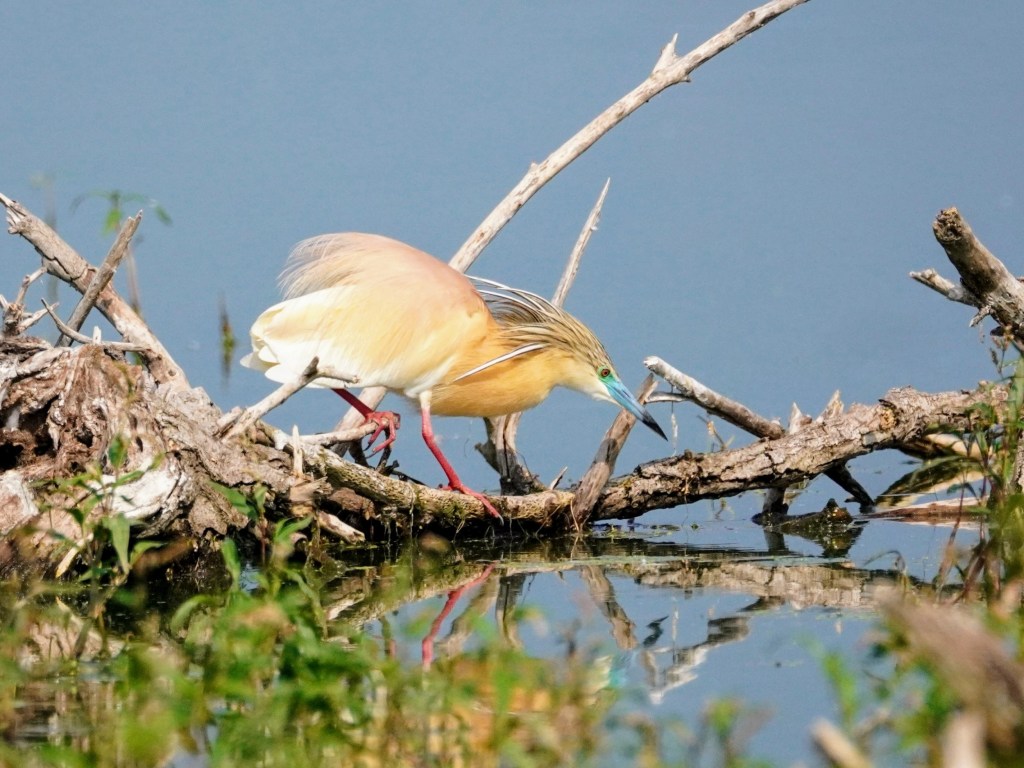
The next photo is from my trip to Lake Kerkini in North Macedonia (Greece) in June 2025, where we went on a one day trip to the lake. I had booked a transfer to the lake and a private cruise on the lake. We stayed only in Thessaloniki, leaving us with only a few hours on the lake.
Lake Kerkini is more commonly visited for bird photography outside the summertime. Especially the winter/early spring should provide excellent light conditions and good photo subjects. This photo was taken in early June and the light was harsh, but the squacco herons were so interesting to observe!
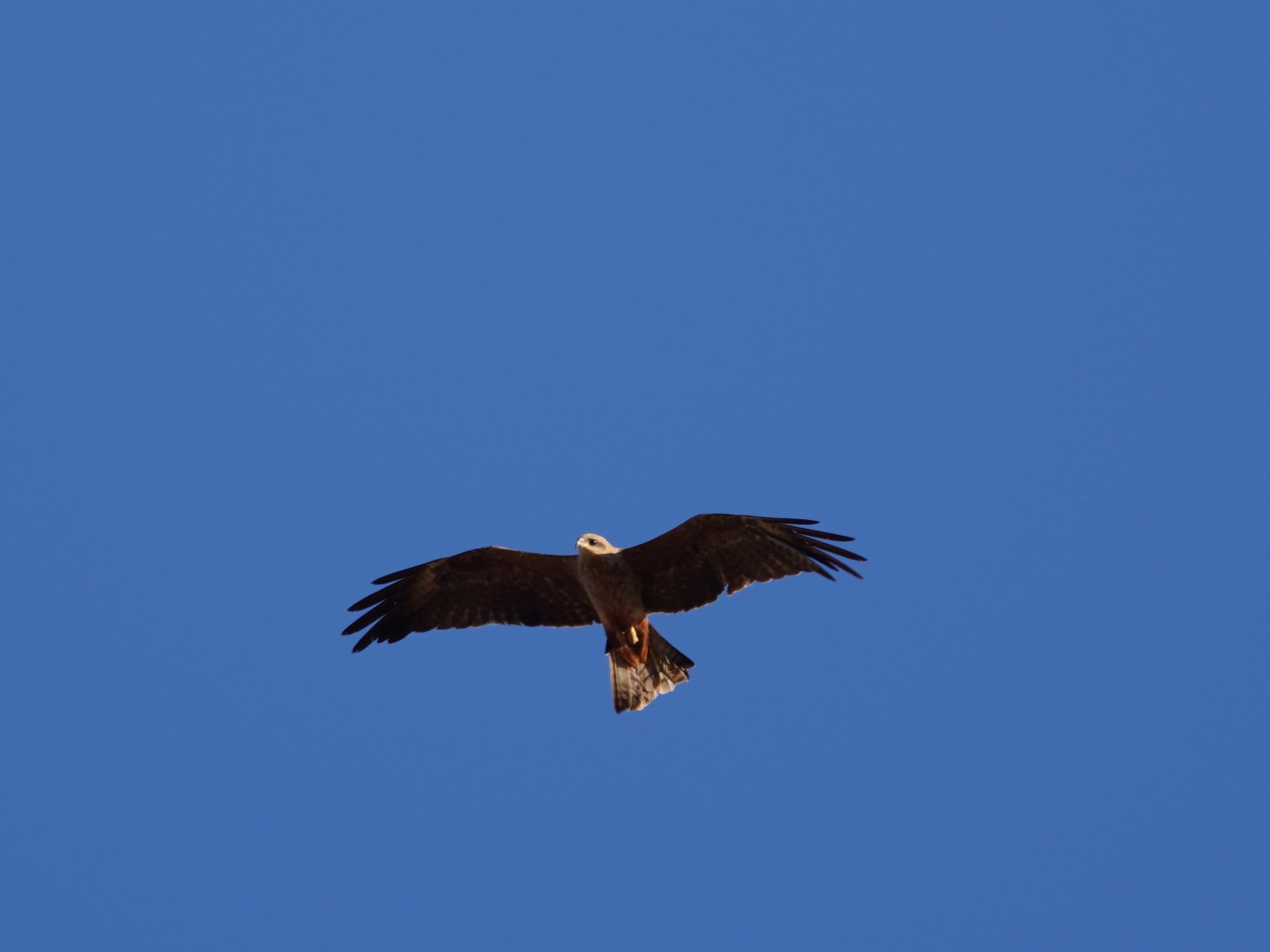
The next photo is an example of a flying bird against a blue sky.
This was one of the first photos of a bird in flight I took with my then recently acquired Sigma lens. We had stayed the night in our rented autocamper on a deserted resting spot along the highway between Perth and Exmouth.

This photo above was taken in Malaysia during my travels to Asia in November – December 2024. By that time I started to shoot in RAW to always be able to do editing later.
Photos during excellent light conditions (Sony a6400)
Below I have inserted some photos during excellent light conditions with different colors in the background.
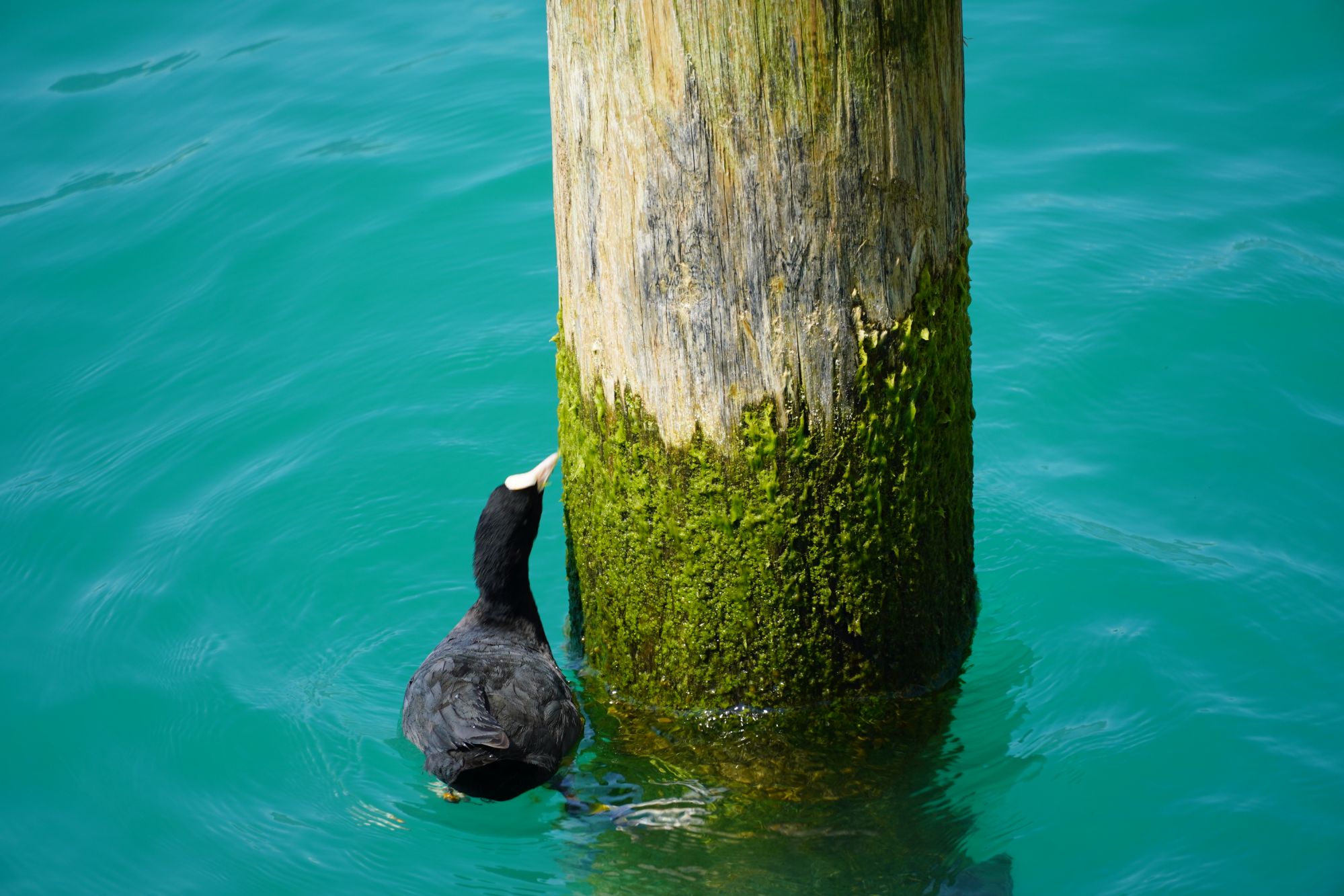
This Eurasian coot was foraging on green algae (from my trip to Lake Garda in Italy in 2024):
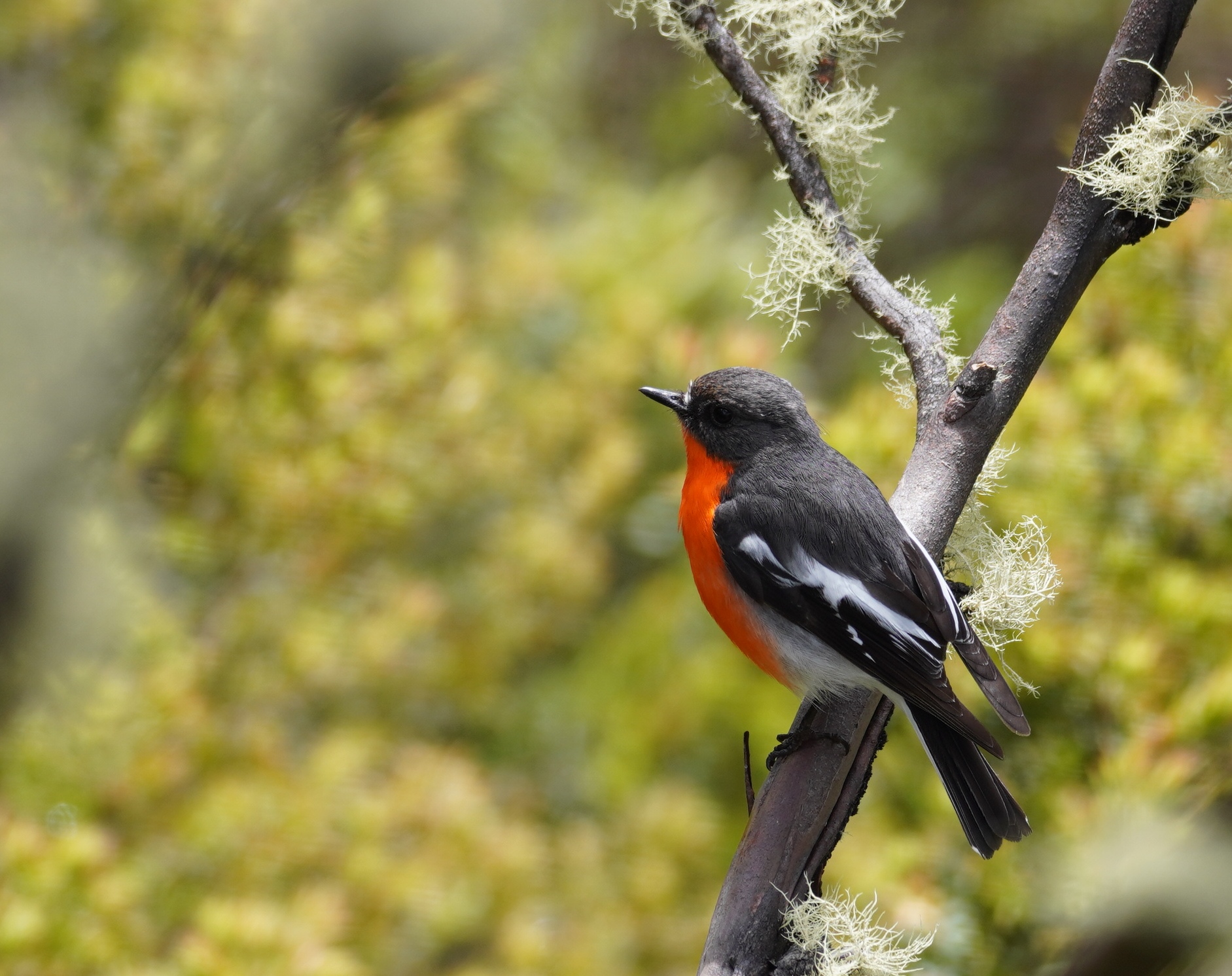
A beautiful flame robin was perched in a tree full of lichens on Mount Wellington near Hobart (Tasmania):
Never want to miss a new post? Subscribe below!
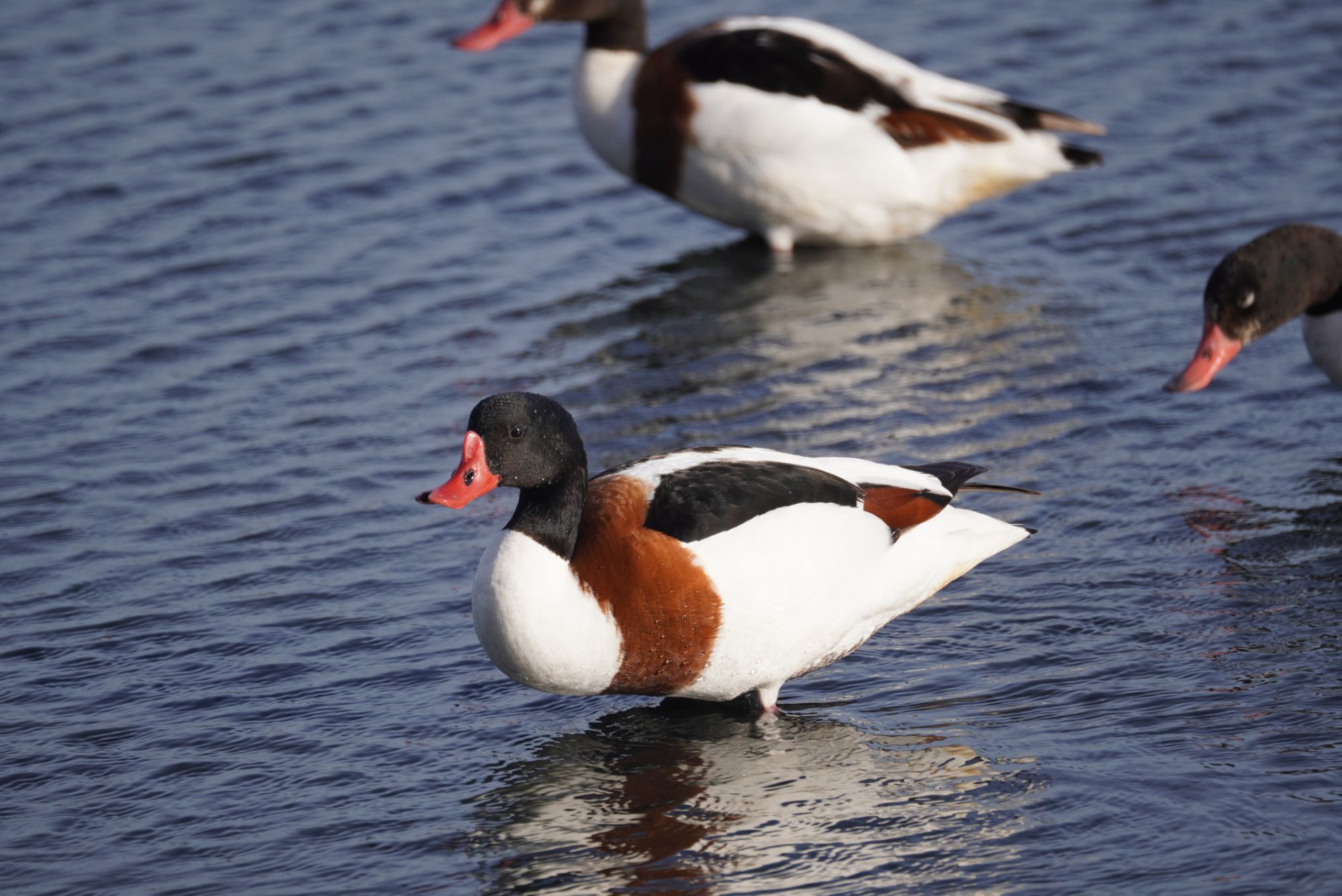
This next photo of shelducks I took from a bird hide in a Nature Reserve on Mallorca during one of the mornings. They were some of the birds that came the closest to the bird hide.
The next photo is from my solo trip to Rottnest Island close to Perth (Australia). The quokkas (a species of marsupial) have never been afraid of humans, and they were really crawling around one’s feet looking for food scraps. That is the reason behind this close-up!


Photos in low light (ISO-1000 to ISO-5000) taken with a Sony a6400 camera
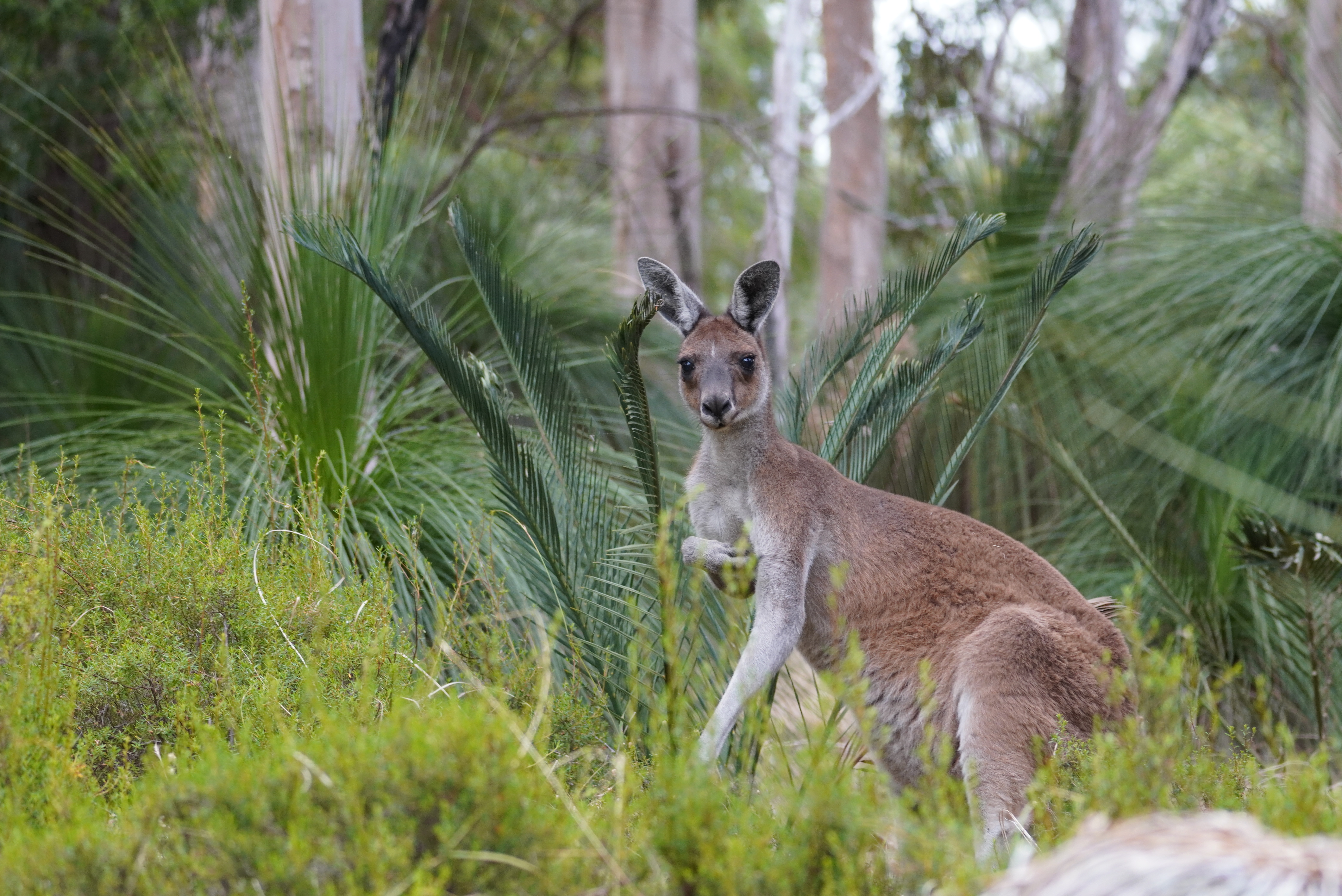
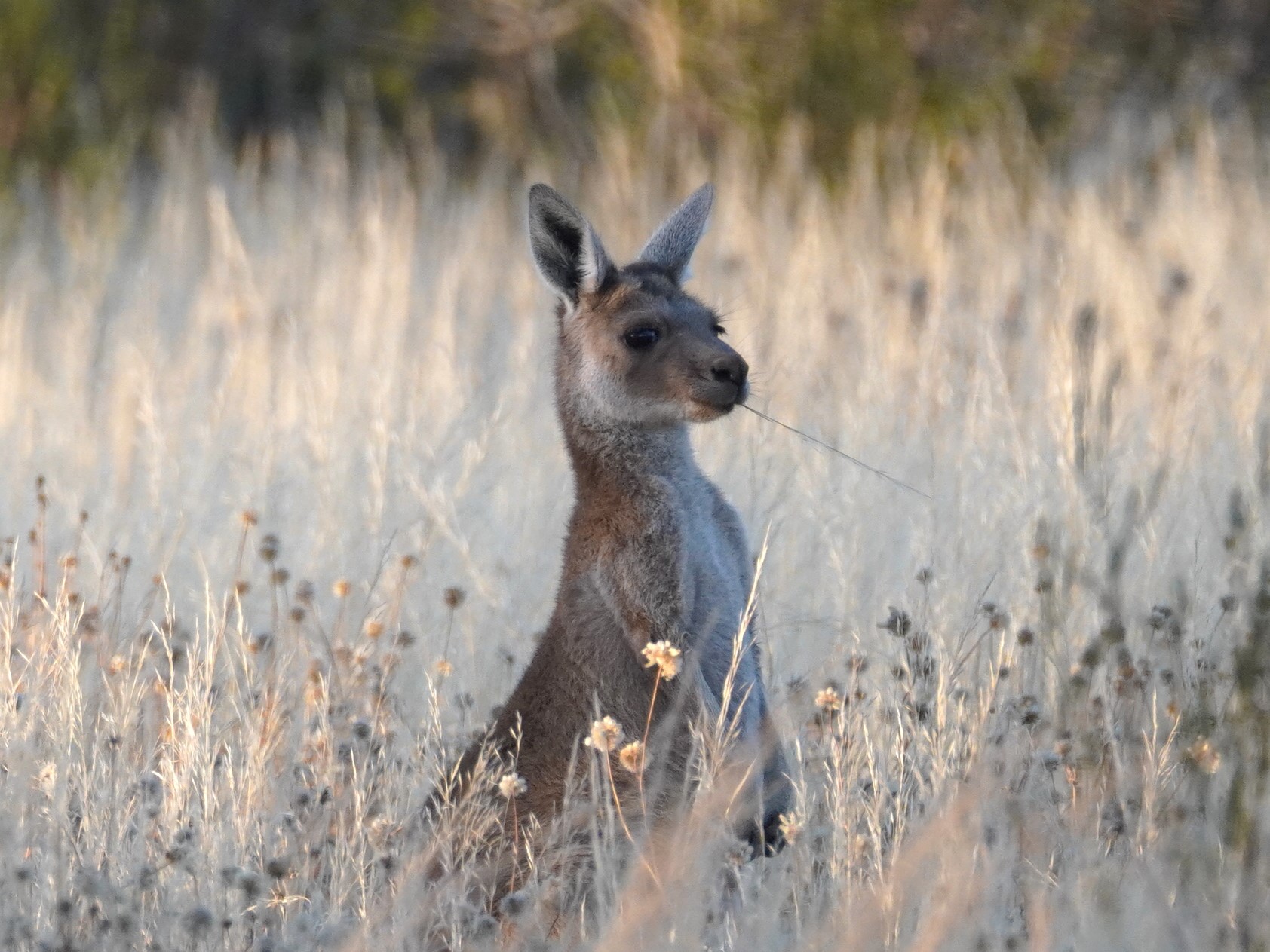
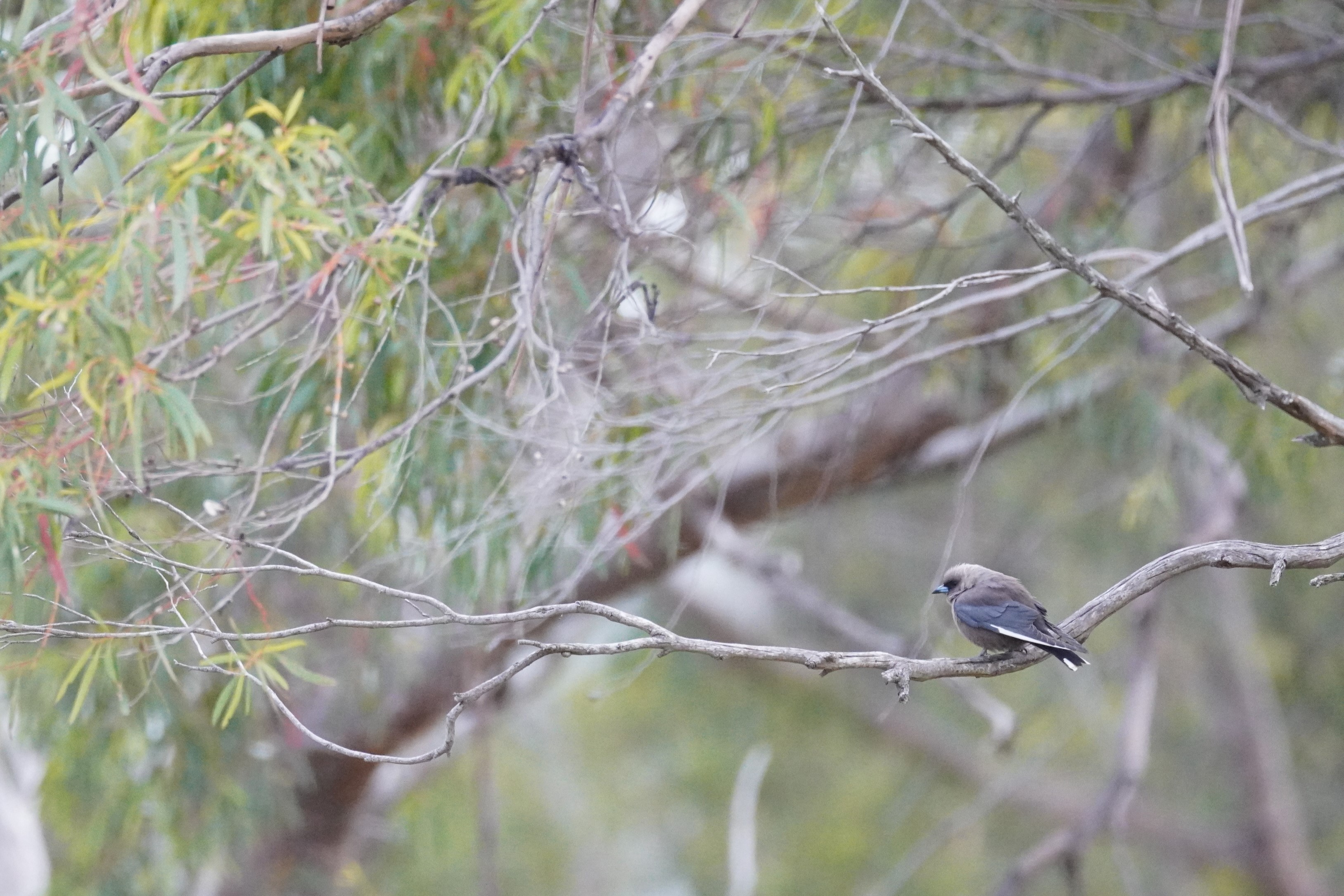
The following photos are taken with ISO-1000 to ISO-5000. I always use the automatic ISO function when I shoot. If you are curious to see how the Sony a6400 camera works under poor/low light, have a look at the photos below.
These kangaroos from our road trip to Western Australia were excellent subjects and highly photogenic.
The next two birds were photographed during difficult conditions; low light and they were moving a lot;

I absolutely LOVED photographing the Australian birds – having the Sony a6400 camera at hand also helped me a lot with identifying all the species, that I did not know the names of (yet!).
Conclusion
With the mirrorless Sony a6400 camera you can take some excellent wildlife photos. The automatic function is okay for some scenarios, but for most of the time when photographing birds it is always best to use the manual settings. It takes good photos with both the third-party Sigma zoom lens I use with my Sony a6400 camera (read more about this lens in this post) and my native Sony lens (a small zoom lens).
The Sony a6400 is overall a good camera for wildlife photography and for birds as well. If you are curious to swap your old Canon or Nikon camera out, you should try out and see if a mirrorless Sony camera can be your next companion.

© All photos are my own unless stated and may not be used without permission.
None of the mentioned products, experiences or places in this post were sponsored.

 Traveling Female Ornithologist
Pingback: My new Sigma zoom lens used for bird photography in Australia | Traveling Female Ornithologist
Thanks!
You are most welcome, Rich!
Great photos! I am not a professional photographer, but I agree that the a6400 is a great camera for wildlife pbotography, I use mostly the 70-300 Sony lens. The “handheld low light” mode can be quite handy in the lighting conditions of the rainforest – if your subject doesn’t move too fast 😉
You should absoultely travel to your #3 destination. I have never seen so much wildlife in less than three weeks.
Hello Vladimir,
Thank you very much for your input! What is the name of that setting on the Sony 6400 camera – and where to find it? That would be very helpful to know. I really hope to visit Costa Rica some day, I have heard so many good things about this country.
Best, Rie